Table of Contents
Right now in Korea, one story is dominating conversations both inside and outside the National Assembly. Lawmakers just passed a sweeping change to the Criminal Procedure Act, known in Korean as Hyeongsa Sosongbeop. This single vote strips prosecutors of investigative power they have held for 72 years.
Sound like a big deal? It is. As of this week, the political fallout is only beginning, and both major parties are framing this moment in completely opposite terms.
What Just Happened at the National Assembly
The bill landed on the National Assembly floor on July 30. Ruling-bloc lawmakers moved fast, forcing an end to the opposition’s filibuster after just 24 hours of speeches.
What followed was quick and dramatic. A vote was called almost immediately, and members of the People Power Party walked out of the chamber in protest before ballots were even cast.
The final tally tells its own story: 178 lawmakers present, 175 in favor, 2 opposed, and 1 abstention. Even within the Democratic Party of Korea, the ruling bloc, there was some hesitation.
Lawmaker Kwak Sang-eon voted against the bill, worried about unintended side effects from fully abolishing prosecutorial supplementary investigation powers. Lawmaker Lee So-young chose to abstain rather than vote yes or no.
Their dissent matters. It shows that even supporters of investigation-prosecution separation aren’t fully united on how far this Criminal Procedure Act reform should go.
Why This Criminal Procedure Act Overhaul Matters After 72 Years
Why does 72 years keep coming up in every headline about this? Korea’s original Criminal Procedure Act took effect in 1954, and it gave prosecutors real investigative authority from the very start.
For decades, that authority barely changed. Prosecutors could investigate cases directly and demand additional evidence-gathering, known as “supplementary investigation power,” whenever they felt police work fell short.
This new law erases that supplementary investigation power completely. Prosecutors now keep only the right to request further investigation from police, not to conduct it themselves.
Think about what that shift really means. The people who decide whether to prosute a case can no longer personally dig deeper into it; that job now belongs entirely to police.
The revised Criminal Procedure Act also adds a new safeguard for defendants. Courts can now dismiss a case if prosecutors engaged in seriously unlawful investigation methods or clearly abused their prosecutorial discretion.
That’s a meaningful check on power. Whether it works as intended, though, depends entirely on how judges interpret these new grounds in real courtrooms over the coming years.
For readers unfamiliar with Korea’s legal system, this reform echoes a global debate. Many democracies wrestle with the same question: should the people who investigate crimes also decide whether to prosecute them, or should those powers stay separated?
Korea has been asking that question loudly since at least 2020, when an earlier round of prosecutorial reform first trimmed investigative authority. This latest Criminal Procedure Act amendment finishes what that earlier reform started.
Democratic Party vs. People Power Party: Two Very Different Views
Ask a Democratic Party lawmaker about this bill, and you’ll hear the word “historic.” Ask a People Power Party lawmaker, and you’ll hear the word “reckless.”
Han Byung-do, floor leader of the Democratic Party of Korea, called the vote a turning point. He said separating investigation from prosecution places prosecutorial power under constitutional and public control for the first time in generations.
Jeong Jum-sik, floor leader of the People Power Party, pushed back hard against that framing. He argued that more than half of the public actually opposes scrapping supplementary investigation power, meaning the ruling bloc is going against public sentiment rather than following it.
Who’s right? That depends on which poll you trust and how you define “public sentiment” in a country where legal reform debates rarely produce simple majorities.
The People Power Party isn’t stopping at floor speeches. The party is now pressing the president to exercise a veto and preparing a constitutional petition to challenge the Criminal Procedure Act changes directly in court.
You can read more background on the vote and the surrounding political reaction from SBS News, which covered the National Assembly floor proceedings in detail.
Meanwhile, the presidential office struck a more measured tone. It said it respects the National Assembly’s final decision and believes separating investigation from prosecution can prevent power from concentrating in one institution while strengthening protections for victims and ordinary citizens.
That’s a notably careful statement. It neither celebrates the reform like the Democratic Party nor condemns it like the People Power Party, leaving room for the administration to respond to whatever legal challenges follow.
What Comes Next for Korea’s Criminal Procedure Act
This isn’t the only legislative fight happening at the National Assembly right now. A separate bill, also pushed through by the Democratic Party, would shrink the review period for fast-tracked legislation from 330 days down to just 90 days.
The People Power Party launched a filibuster against that bill too. It ended automatically at midnight when the July special session closed, and the party expects the ruling bloc to pass it during the first plenary session of the August special session.
So what happens to the Criminal Procedure Act from here? The president can still veto it, sending the bill back to the National Assembly for reconsideration.
A constitutional petition could also freeze parts of the law in legal limbo for months, maybe longer. Korea’s Constitutional Court has ruled on prosecutorial power disputes before, and it doesn’t always move quickly.
Why should readers outside Korea care about a domestic legal reform like this? Because it’s a live case study in how a democracy rebalances power between institutions without a revolution or a crisis forcing its hand.
Countries around the world are having similar conversations about prosecutorial independence, police oversight, and checks on state power. Korea’s Criminal Procedure Act reform offers a real-time example of what that rebalancing actually looks like when it moves from theory to a 175-2 vote.
Where does this leave ordinary citizens? Probably watching closely, and maybe a little uncertain, as the practical effects of this Criminal Procedure Act reform unfold in real investigations over the coming months.
Laws change fast in a single vote. Trust in how those laws get applied usually changes much more slowly.
What do you think — does separating investigation from prosecution actually protect citizens, or does it just move power from one institution to another?
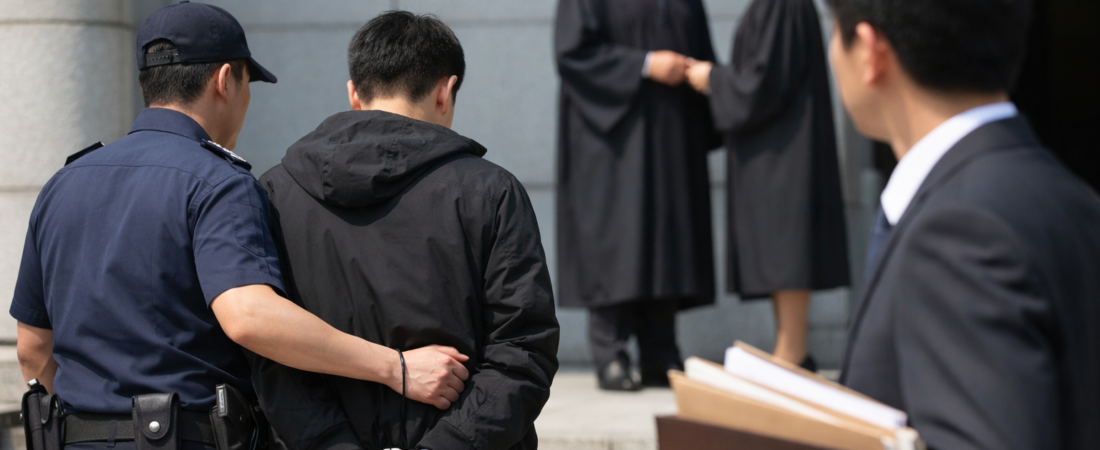
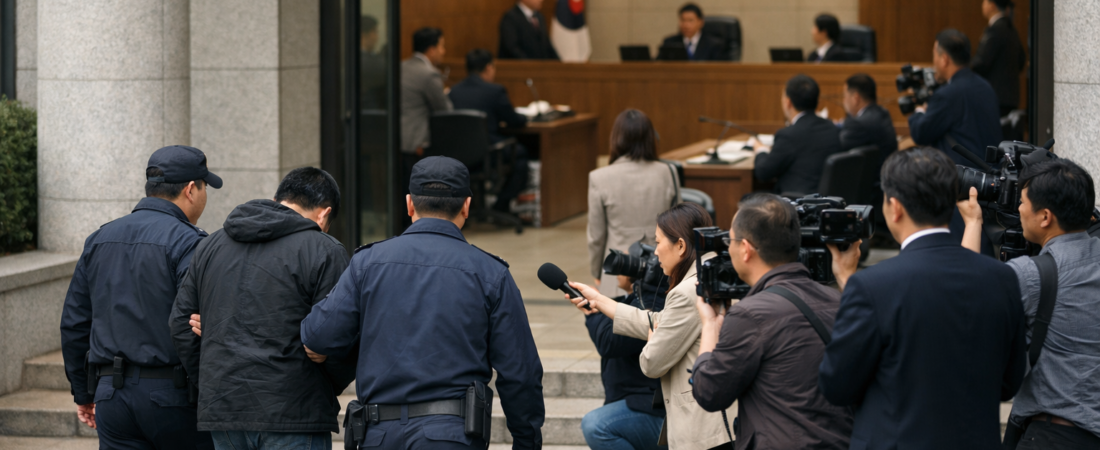
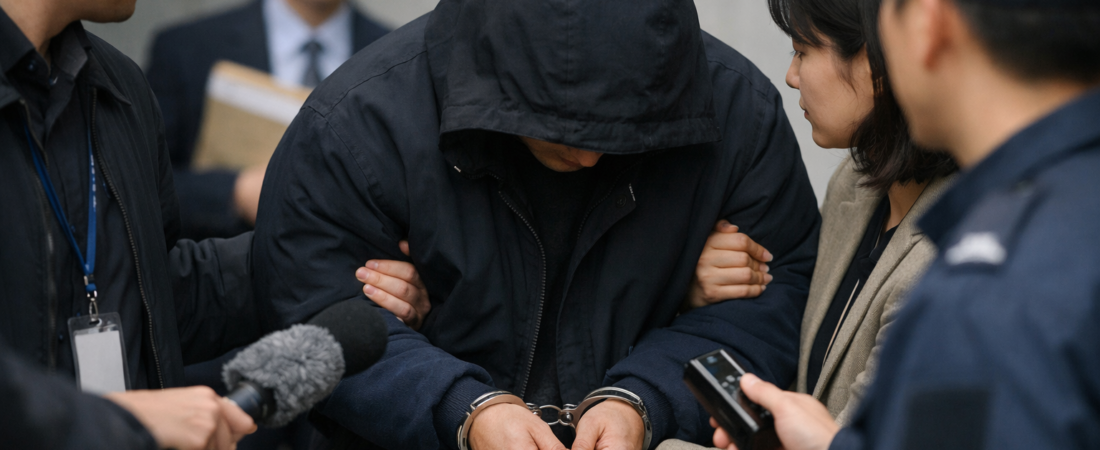
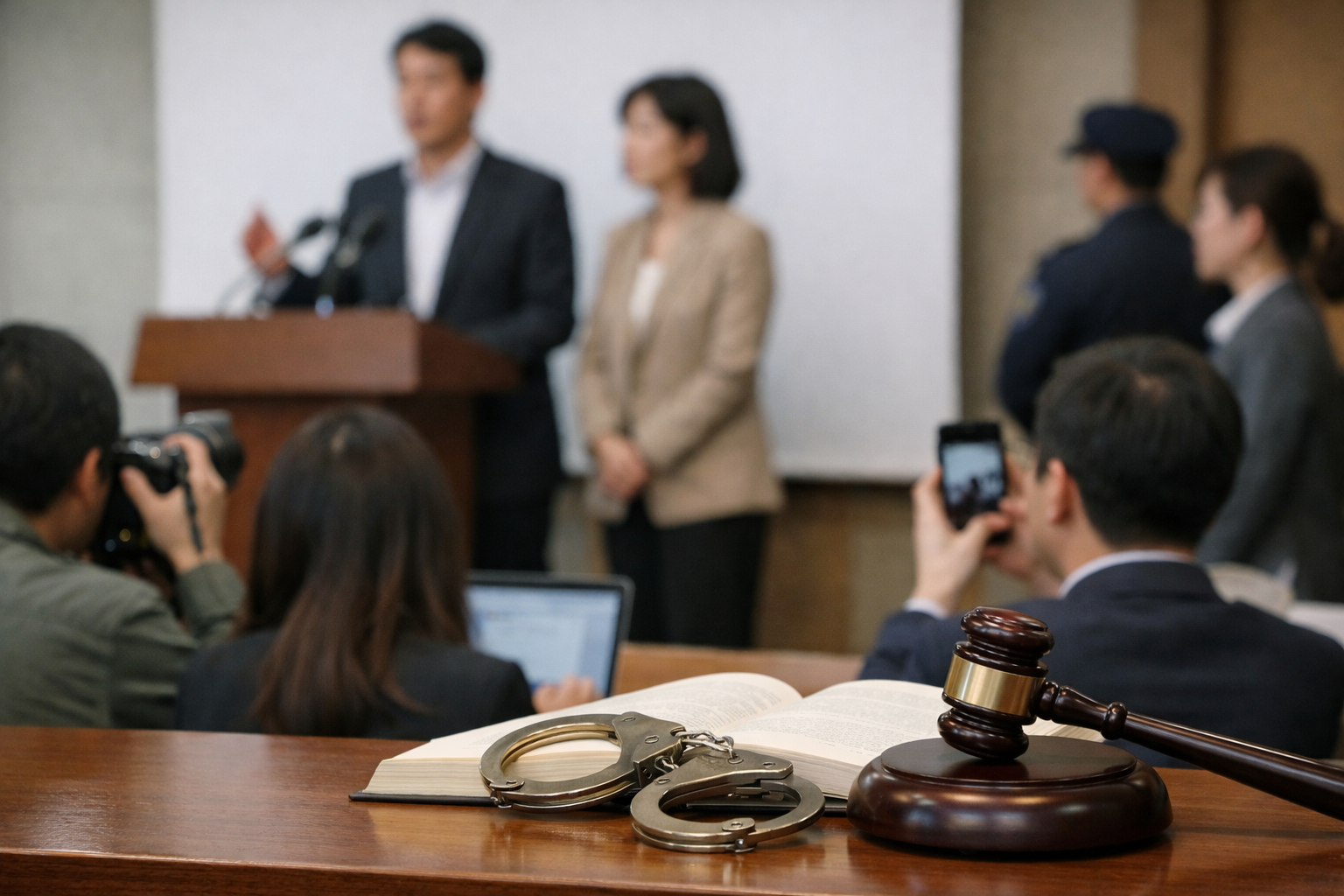
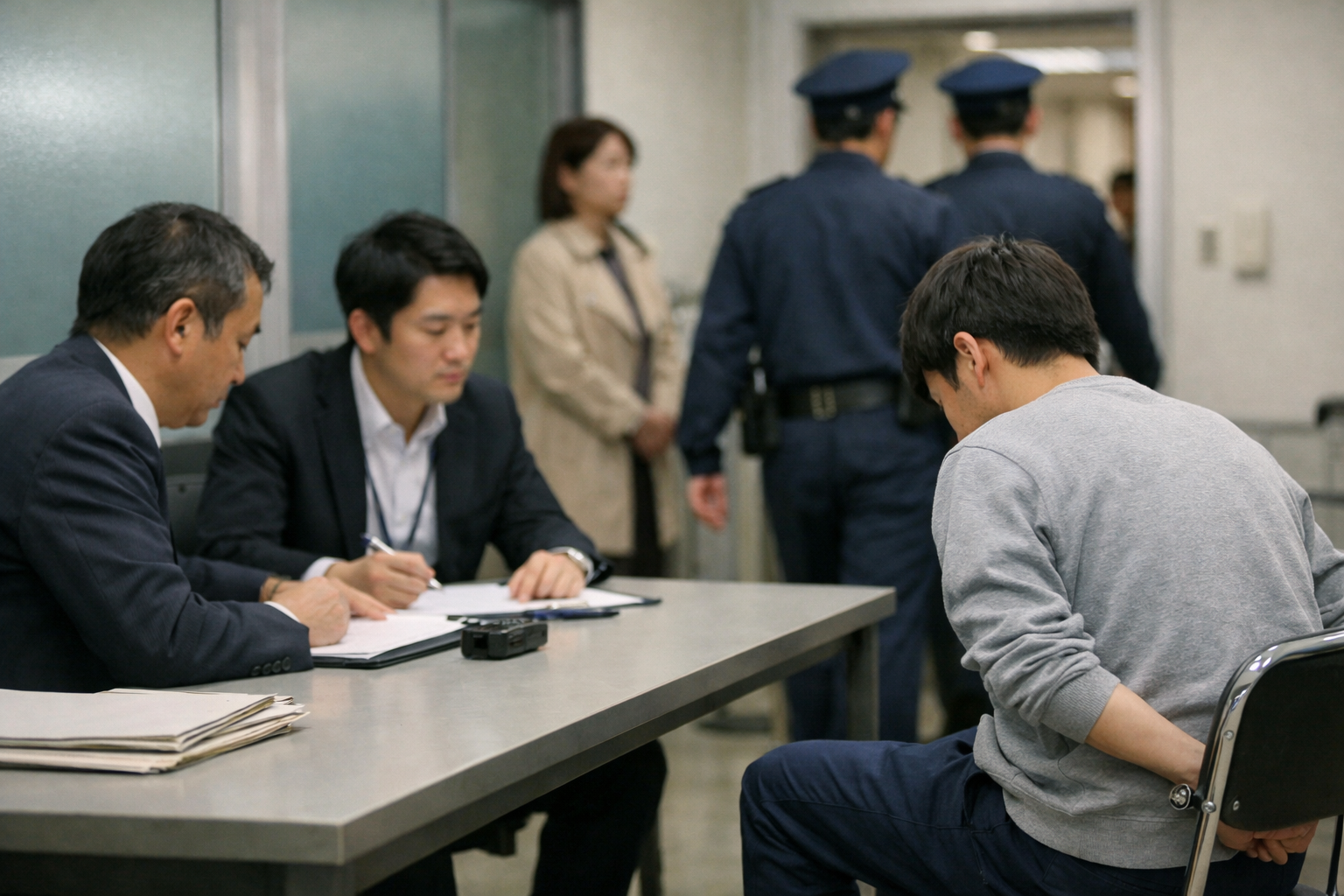
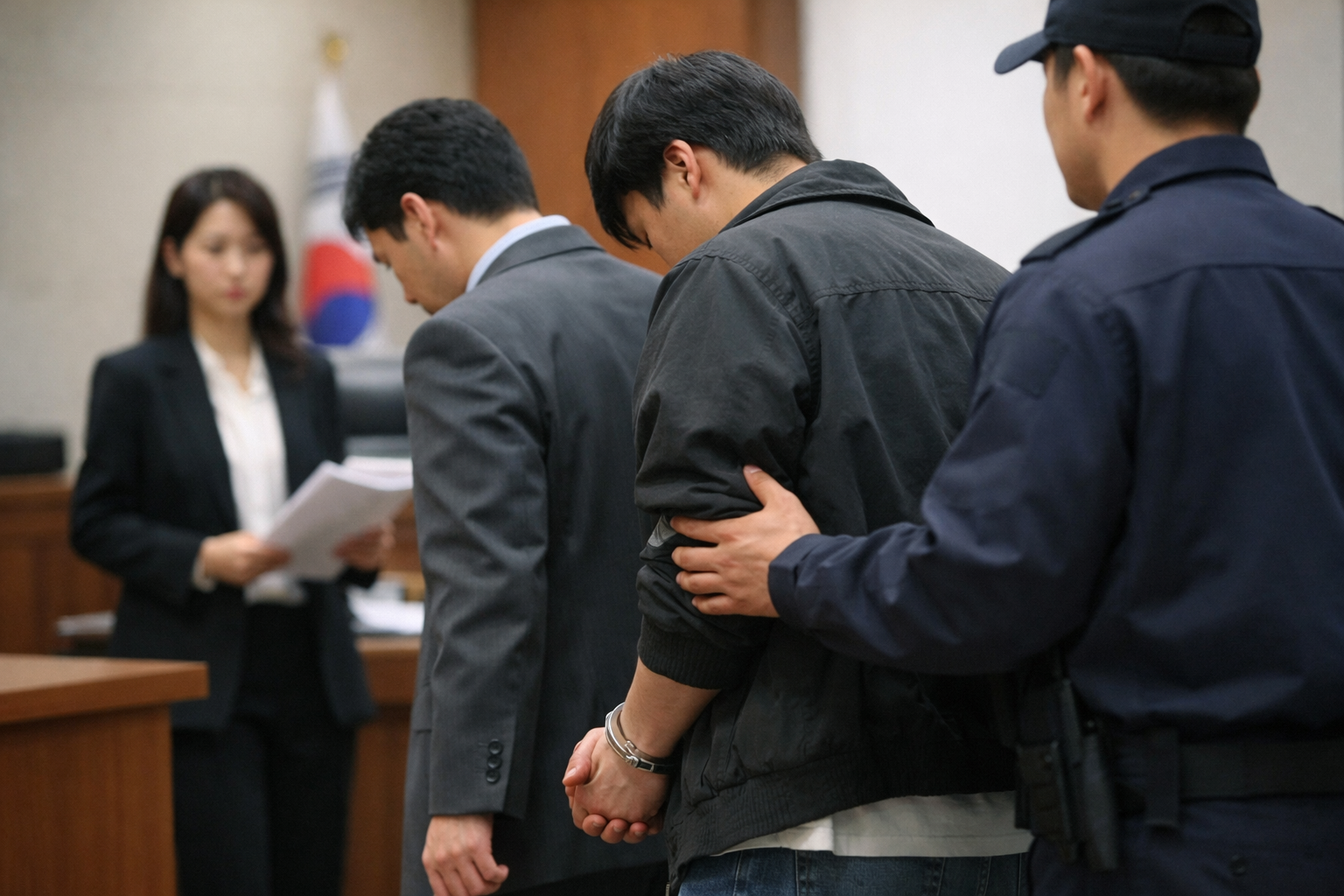
AI-Generated Photorealistic Image — All people, scenes, and details in this image are entirely AI-generated and fictional. Not a real photograph of an actual person or event. 이 이미지는 AI로 생성된 가상 이미지입니다.
Leave a Reply