
Table of Contents
Right now in Korea, one piece of legislation is dominating every political conversation. The National Assembly just passed a sweeping Criminal Procedure Act Amendment, and it ends prosecutors’ investigative power after 72 years. Depending on who you ask, this is either a historic correction or a dangerous mistake.
Why does a legal technicality about “supplementary investigation rights” have politicians shouting at each other across the assembly floor? Because this fight is really about who controls power in Korea. And that question never stops mattering, no matter which country you call home.
The Vote: What Happened at the National Assembly Right Now
The bill landed on the National Assembly floor on July 30. Lawmakers from the ruling coalition pushed it through, and the opposition People Power Party fought back with a filibuster.
That filibuster lasted only 24 hours before ruling party lawmakers forced a vote to end it. What happened next moved fast. The People Power Party walked out in protest, and the remaining lawmakers voted.
The final count was striking: 175 in favor, 2 opposed, and 1 abstention out of 178 present. This Criminal Procedure Act Amendment didn’t just pass — it passed with overwhelming numbers, even though the debate around it was anything but unanimous.
Two names inside the Democratic Party stood out. Lawmaker Gwak Sang-eon voted no, and lawmaker Lee So-young abstained. Both had publicly worried that fully abolishing prosecutors’ supplementary investigation rights could create unintended problems — a rare crack of dissent inside a party otherwise marching in lockstep.
72 Years in the Making: History Behind the Criminal Procedure Act Amendment
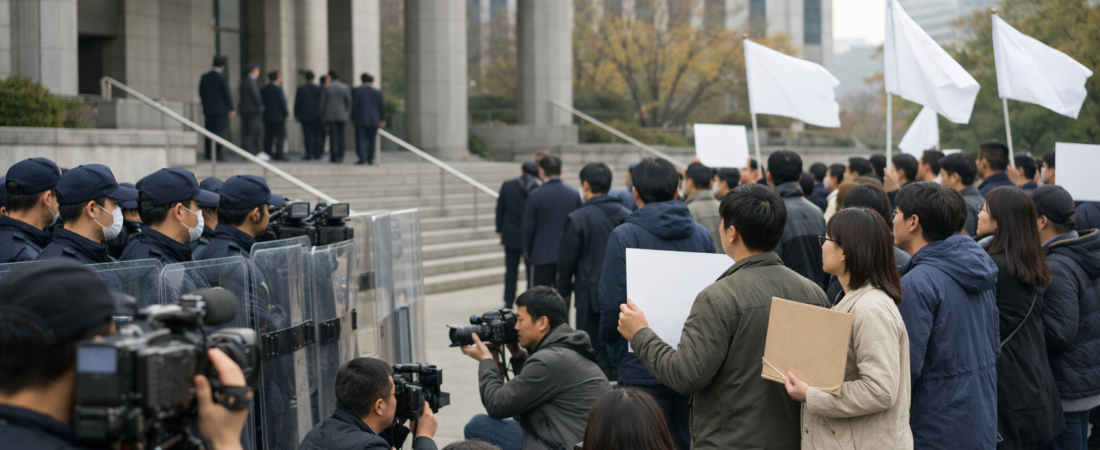
To understand why this vote matters, you need to go back to 1954. That’s when Korea’s original Criminal Procedure Act took effect, and it gave prosecutors direct investigative authority alongside police.
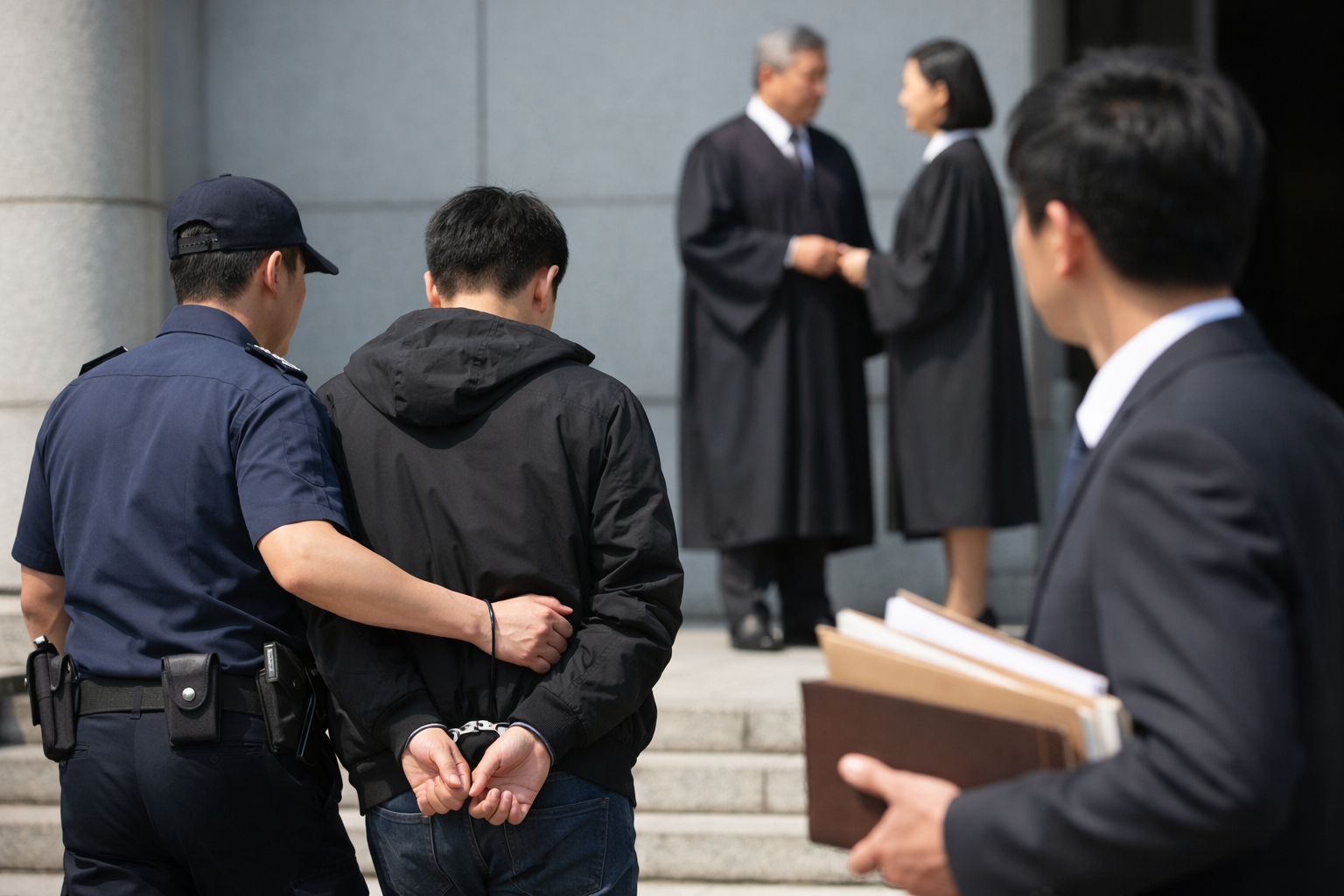
For seven decades, prosecutors in Korea held a rare dual role. They could investigate crimes themselves, and then decide whether to indict the same cases they investigated. Few democracies concentrate that much power in one office — it’s a bit like asking the same referee to also coach one of the teams.
Korea already took its first step away from this system between 2020 and 2022, when earlier reforms separated some investigative functions from prosecutorial indictment power. Prosecutors kept one important tool, though: the “supplementary investigation right,” letting them send cases back for more digging if they felt police work was incomplete.
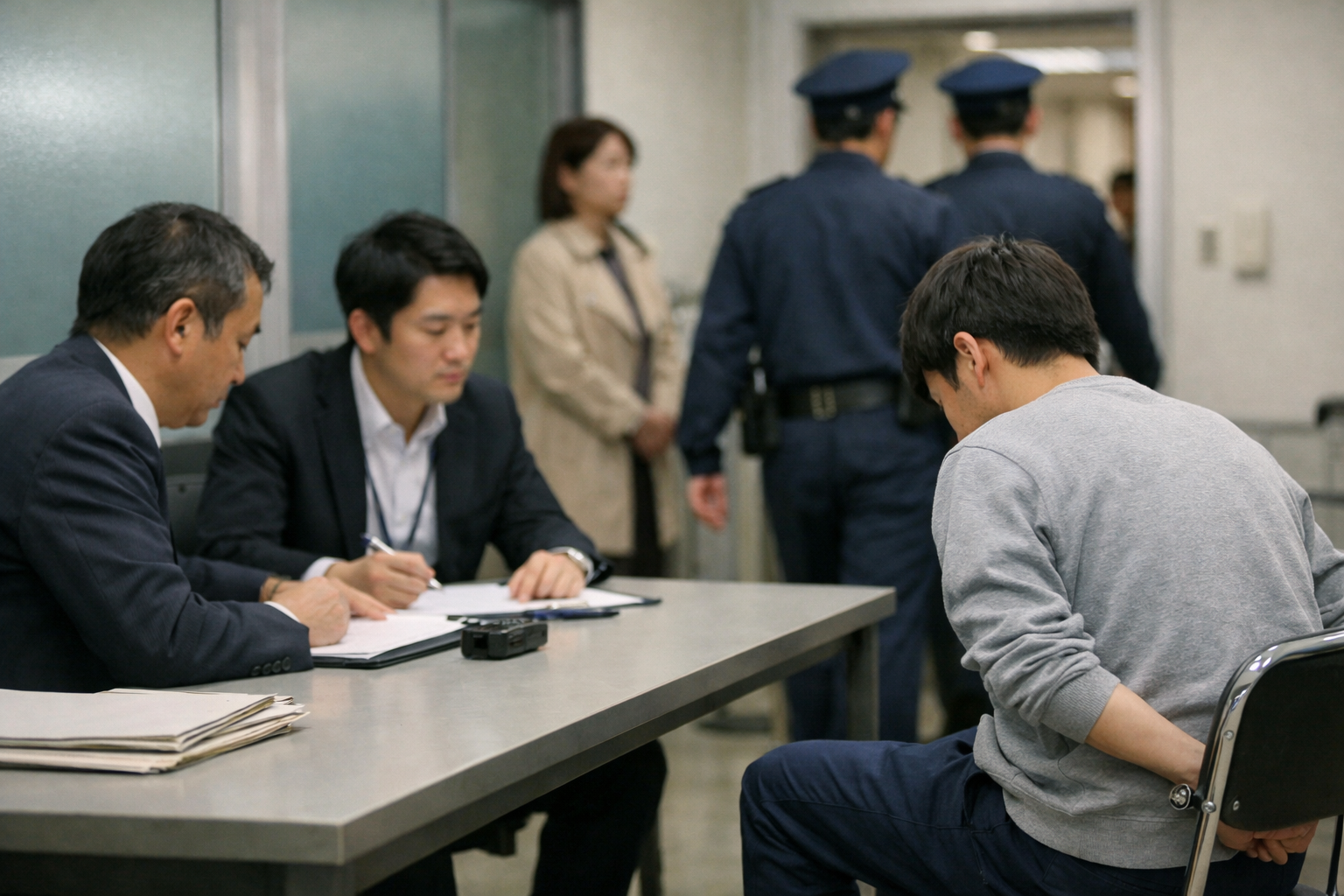
This new Criminal Procedure Act Amendment removes that remaining tool entirely. Police now hold the primary investigative role, and prosecutors keep only a narrower “request” power rather than direct supplementary investigation authority. The bill also adds a new ground for courts to dismiss indictments — cases involving serious illegal investigation methods or clear abuse of prosecutorial discretion now qualify for dismissal.
Is this the end of a long reform story, or just another chapter? History suggests Korea’s investigation-indictment debate rarely stays settled for long. You can read more background on Korea’s evolving prosecution system through outlets like SBS News, which has tracked this fight closely.
A Nation Divided: Reactions to the Criminal Procedure Act Amendment
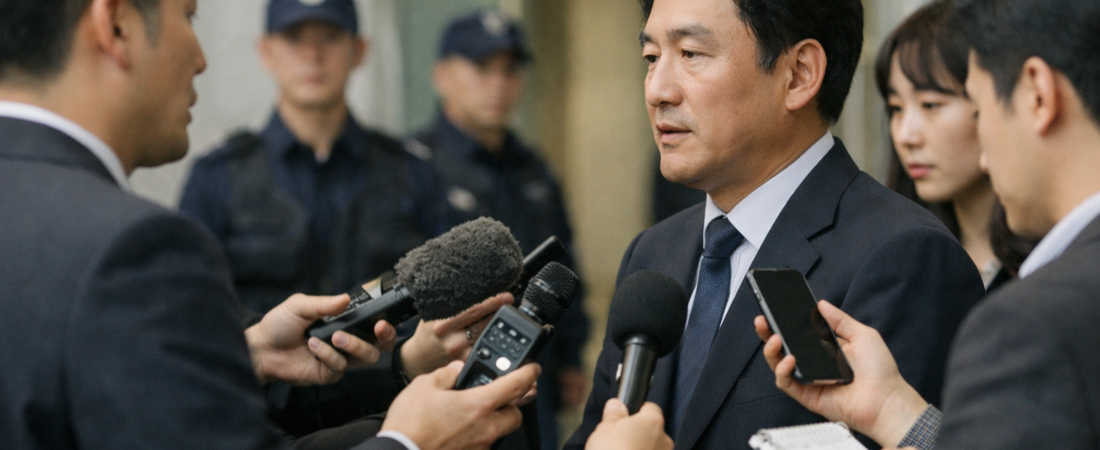
Democratic Party floor leader Han Byung-do called the vote a turning point. He described it as placing prosecutorial power “under the control of the constitution and the people,” framing the separation of investigation and indictment as a historic democratic achievement.
People Power Party floor leader Jeong Jeom-sik saw something very different. He argued that more than half of the public actually opposed abolishing prosecutors’ supplementary investigation rights, and he accused the Democratic Party of “going against public sentiment” rather than representing it.
Who’s right here? That depends heavily on which polls you trust and which risks you weigh more heavily — police overreach versus prosecutorial overreach.
The Presidential Office took a more measured tone. It said it would “respect the National Assembly’s final decision,” while also praising the amendment for preventing “monopolized power” and potentially strengthening protection for victims and citizens’ human rights.
That’s a notably neutral stance for an administration whose party pushed the bill through. It suggests even supporters recognize this Criminal Procedure Act Amendment carries real trade-offs, not just clean wins.
What Comes Next: Veto Power, Legal Challenges, and Beyond
The People Power Party isn’t done fighting. It has already called on the president to exercise veto power, and it has signaled plans to file a constitutional petition challenging the amendment directly.
Will either move actually stop this Criminal Procedure Act Amendment from taking effect? A presidential veto would send the bill back to the National Assembly, where the ruling coalition’s numbers could simply override it again. A constitutional challenge, meanwhile, could take months or years to resolve — long after police and prosecutors have already adjusted to the new system on the ground.
There’s a second, related battle brewing too. The same legislative session saw the Democratic Party advance a National Assembly Act amendment shortening “fast-track” bill review periods from 330 days to just 90 days. The People Power Party filibustered that bill as well, but the filibuster ended automatically when the July extraordinary session closed at midnight. Expect that bill to move forward in the August session, again under Democratic Party leadership.
Korean politics rarely settles into calm waters for long, does it? Every procedural rule change here seems to spark the next one, almost like dominoes lined up years in advance.
For readers outside Korea, this story might look like distant legal housekeeping. But it’s really a live case study in how democracies redesign the balance between police, prosecutors, and courts — a challenge every justice system eventually faces, from Seoul to anywhere else with a badge and a courtroom.
Korea’s prosecution system has now changed twice in six years, and each change has reshuffled who holds power over criminal cases. That kind of repeated structural change carries real costs — investigators need time to learn new procedures, and victims sometimes get caught in the transition. At the same time, it reflects something worth noticing: a democracy willing to keep revisiting its own institutions rather than assuming any arrangement is permanent.
The bigger question isn’t whether this particular Criminal Procedure Act Amendment is perfect. It’s whether Korea’s political system can keep debating these changes honestly, without every reform becoming just another partisan weapon. What do you think — does moving investigative power away from prosecutors make Korea’s justice system fairer, or does it just shift the same risks onto a different institution?
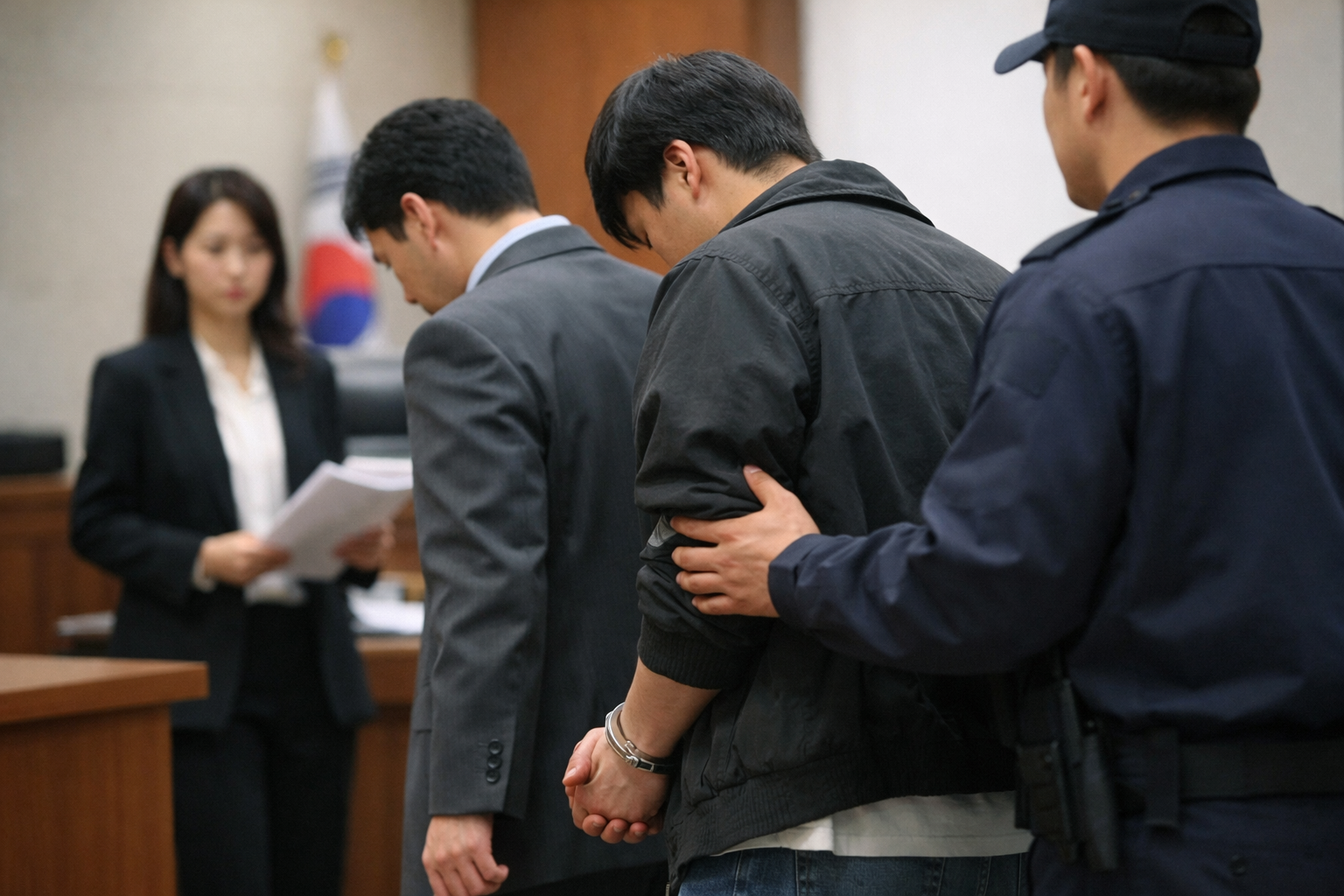
AI-Generated Photorealistic Image — All people, scenes, and details in this image are entirely AI-generated and fictional. Not a real photograph of an actual person or event. 이 이미지는 AI로 생성된 가상 이미지입니다.

Leave a Reply