
Table of Contents
What happens when doing the right thing gets you punished instead of praised? That question is echoing through Daejeon right now. The Daejeon Metropolitan Office of Education has opened disciplinary proceedings against a former high school principal, and it has triggered an unusual wave of unified anger from teachers and parents alike.
The case centers on a dinner meal suspension at Dunsan Girls’ High School last year. The former principal, identified only as Principal A, is accused of mishandling that crisis. But teachers’ groups and parents tell a very different story.
They say Principal A actually tried to stop the meal service from being cut off. Punishing the person who fought to protect student meals? That strikes many as backwards logic from the start.
What Happened at Dunsan Girls’ High School
Let’s rewind to last year. A dinner meal service disruption hit Dunsan Girls’ High School in Daejeon, leaving students without their evening food during study hours. For Korean high schoolers, especially those in demanding academic tracks, dinner at school is not a small detail.
Many students stay on campus late into the night preparing for exams. A missed dinner service is not just an inconvenience. It can disrupt an entire evening of study, hunger and all.
According to reports reviewed by Yonhap News Agency, Principal A was directly involved in efforts to prevent the disruption from happening. Now, the Daejeon Metropolitan Office of Education has moved forward with disciplinary action against that same principal anyway.
That contradiction is exactly what has teachers’ unions and parent groups up in arms. If the person who tried to fix the problem ends up disciplined, what message does that send to every other school administrator in the city?
Would any future principal feel safe stepping in during a crisis, knowing it might cost them their career later? That is the uncomfortable question hanging over this entire case.
Why the Daejeon Metropolitan Office of Education Decision Sparked Backlash
Teachers’ organizations moved quickly once news of the disciplinary procedure spread. They argue the Daejeon Metropolitan Office of Education is punishing effort instead of failure. In their view, Principal A should be recognized for trying to protect students, not penalized for a crisis largely outside personal control.
Parent groups have joined the criticism, and that combination matters. When teachers and parents agree on something in Korean education, policymakers tend to notice. These two groups do not always see eye to eye on school issues, so their shared frustration here carries extra weight.
The core complaint is about fairness in how responsibility gets assigned. Meal service in Korean public schools typically involves multiple layers: school administration, catering contractors, and local education authorities. So why did disciplinary responsibility land so heavily on one principal who was actively trying to solve the problem?
Critics of the decision by the Daejeon Metropolitan Office of Education say the process seems to punish visibility rather than actual wrongdoing. Principal A was the public face of the crisis simply by being in charge when it happened. That is very different from being the cause of it.
There is also a symbolic dimension here. Korean school administrators already navigate intense pressure around student welfare, safety, and academic outcomes. If handling a crisis responsibly still results in punishment, some educators worry it discourages exactly the kind of quick intervention students need most.
The Bigger Picture: School Meal Crises in Korean Education

School meals occupy a bigger place in Korean education culture than many outsiders realize. Free or subsidized meal programs became a major national policy achievement over the past two decades. For many families, a reliable school meal system represents real, tangible support with the cost of raising a child.
Dinner service specifically ties into Korea’s demanding after-school study culture. Students in academic high schools often stay on campus well into the evening, whether for mandatory self-study sessions or supplementary classes. A dinner meal disruption during exam season carries more weight than it might elsewhere.
Meal service disruptions are not entirely new in Korean schools. Disputes over catering contracts, unpaid vendor bills, or labor disagreements among cafeteria staff have caused similar interruptions before. What makes this Dunsan Girls’ High School case different is the disciplinary aftermath directed at the principal.
The Daejeon Metropolitan Office of Education now faces pressure to explain its reasoning publicly. Was the disciplinary standard applied consistently, or did this case single out one administrator unfairly? Transparency from the Daejeon Metropolitan Office of Education could go a long way toward calming this controversy, or deepening it further if answers feel evasive.
It is worth remembering that Korean education offices operate under significant public scrutiny already. Parents in Korea are famously engaged with school administration, sometimes to a degree that surprises visitors from other countries. That high level of parental involvement can create pressure for accountability, but it can also create pressure for scapegoats when something goes wrong.
What This Means for Korea’s Teachers and Students Going Forward
This controversy raises a question far bigger than one school in Daejeon. How should education authorities distinguish between administrators who fail their duties and administrators who genuinely tried, but faced circumstances beyond their control? Getting that distinction wrong has consequences that ripple far past a single disciplinary case.
If the Daejeon Metropolitan Office of Education upholds this discipline without clearer justification, it risks sending a chilling signal. Principals across Daejeon, and possibly beyond, may become more hesitant to intervene directly during future crises. Hesitation during a crisis rarely helps the students who depend on quick decisions.
There is a harder truth worth sitting with here, and it deserves honesty rather than easy comfort. Institutions sometimes need visible accountability so badly that they reach for whoever was closest to the crisis, even when that person was part of the solution rather than the problem. That impulse is understandably human, but it can quietly punish the wrong people while leaving deeper structural failures unexamined.
Yet this same case also shows something encouraging about how Korean communities respond when something feels unjust. Teachers’ unions and parent groups, who do not always align, found common ground here and spoke up together. That kind of collective pushback, when it stays focused on fairness rather than blame, is often how institut
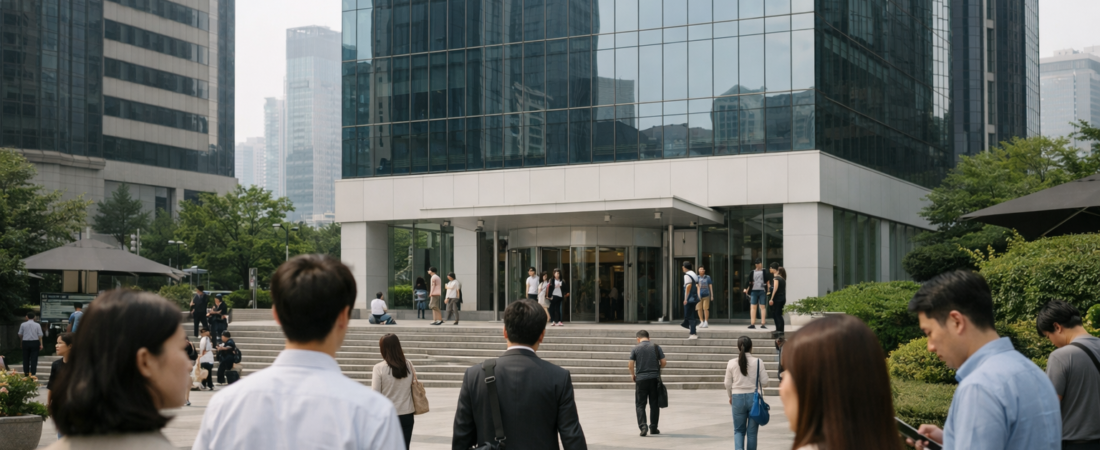
AI-Generated Photorealistic Image — All people, scenes, and details in this image are entirely AI-generated and fictional. Not a real photograph of an actual person or event. 이 이미지는 AI로 생성된 가상 이미지입니다.


Leave a Reply