Table of Contents
A teenage nephew in Korea always grabs the remote at family gatherings, and he never picks flashy variety shows. He picks Human Theater, the long-running KBS documentary series that quietly follows ordinary Korean families through daily struggle and joy. His reasoning is simple: real life beats fiction every time.
Have you ever sat through a holiday dinner where the TV became a battleground? In many Korean households, that fight usually ends with flashy variety shows winning. But one essay circulating widely this week describes something different: a middle schooler who stubbornly keeps the channel on Human Theater, even as cousins groan for something louder.
That small domestic scene says a lot about where Korean audiences are heading. Human Theater is not new. It has aired since May 2000, airing Monday through Friday, telling five-day stories of real people facing real circumstances.
Why Human Theater Still Wins the Remote
You might expect a younger viewer to chase idol performances or prank-filled variety shows. Instead, this nephew describes Human Theater as reading a real essay instead of a made-up novel. That comparison matters, because it captures exactly what separates documentary storytelling from scripted entertainment.
The people featured on Human Theater are not celebrities or wealthy outliers. They are neighbors, farmers, caregivers, and small-business owners living through ordinary hardship. Their courage comes from simply continuing, day after day, without a script or a safety net.
Why does that resonate so strongly with a teenager raised on fast-cut content? Maybe because unscripted struggle feels more honest than rehearsed laughter. The essay suggests younger viewers are not rejecting entertainment entirely; they are rejecting entertainment that feels obviously staged.
This generational preference deserves attention. It challenges the assumption that younger audiences only want short, loud, algorithm-friendly content. Sometimes they want the opposite: slow, textured, human stories that unfold over days, not seconds.
A Quarter-Century of Real Korean Lives
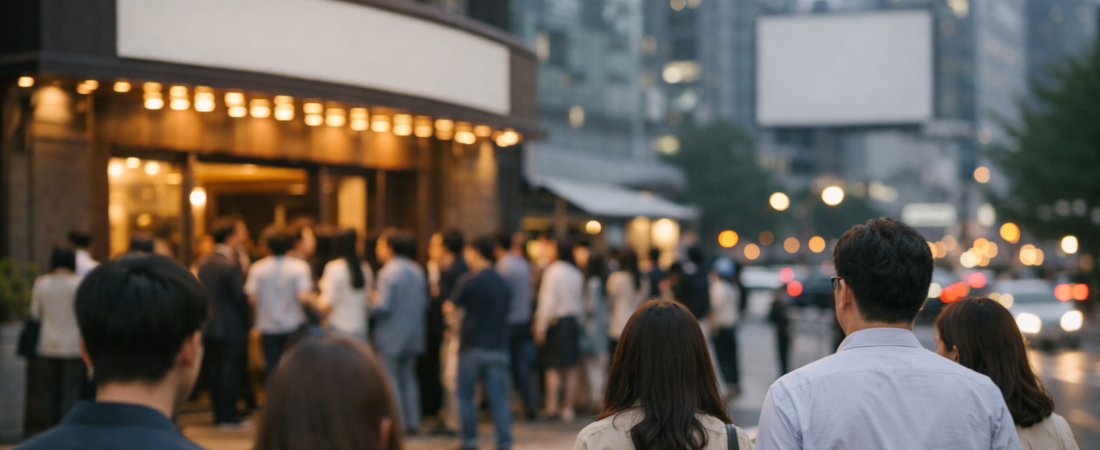
Human Theater has run on KBS since 2000, making it one of Korean television’s longest-standing documentary formats. Over more than two decades, it has profiled thousands of ordinary families across Korea’s cities, farming villages, and fishing towns. Each episode runs as a five-part story, giving viewers enough time to actually know the people on screen.
That longevity itself tells a cultural story. Korean television in the 2000s and 2010s increasingly leaned toward idol variety shows, survival competitions, and high-gloss production. Yet Human Theater kept its quiet, observational style largely unchanged, and audiences kept returning to it anyway.
Why has this format survived so long in a fast-changing media landscape? Partly because it fills a gap nothing else does: watching how actual Korean families cope with illness, aging parents, financial pressure, or quiet joy. You can learn more about the series’ long broadcast history through OhmyNews, which recently revisited this exact tradition through a family’s holiday memory.
The essay that inspired this reflection specifically mentions a mother in a nursing care facility. That detail is not incidental. Human Theater has long covered aging, caregiving, and family separation, themes that feel increasingly urgent as Korea’s population grows older.
Why Reality Beats Scripted Entertainment
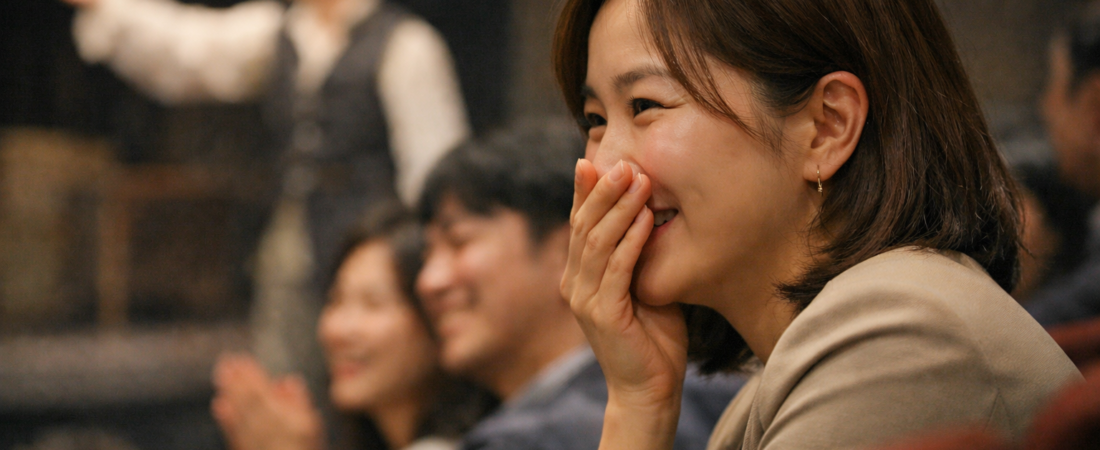
Korean viewers have grown visibly tired of what critics call “rigged” reality formats. Survival shows with predetermined winners, staged conflicts, and manufactured drama have worn thin for many audiences. Human Theater offers something structurally different: no competition, no elimination, no manufactured tension.
Instead, it offers something closer to companionship. You watch a fisherman mend nets at dawn, or a grandmother raise grandchildren alone, and the drama comes from life itself, not editing tricks. That authenticity is exactly why the format keeps attracting new generations of viewers, even teenagers who grew up with YouTube and short-form video.
Is this a rejection of modern entertainment, or simply a craving for balance? Likely the latter. Korean audiences still enjoy variety shows and idol content; they simply return to Human Theater when they want something that feels true rather than performed.
This pattern is not unique to Korea, either (think of how “slow TV” experiments in Norway quietly built loyal global audiences). What makes the Korean case distinct is the consistency: one program, one format, over twenty-five straight years, still pulling in loyal viewers across generations.
What This Trend Tells Us About Korea Today
The renewed interest in Human Theater reflects something larger happening in Korean media consumption. As algorithm-driven content grows louder and more exaggerated, audiences increasingly search for programming that slows down and tells the truth. That search is not nostalgia; it is a genuine recalibration of what viewers value.
There is an honest tension worth naming here. Korea’s rapid modernization has strengthened families in many visible ways, yet it has also scattered them, sending adult children to cities while parents age alone in rural towns or care facilities, exactly like the mother mentioned in the original essay. That distance creates real loneliness, and no television program can fully repair it.
But Human Theater also points toward something hopeful. By putting ordinary caregiving, quiet sacrifice, and everyday resilience on national television, it reminds millions of viewers that these struggles are shared rather than isolated. Audiences responding to this program are not just seeking comfort; they are quietly acknowledging a collective experience that deserves more visibility, not less.
Where does Korean media go from here? If this pattern holds, expect more producers to experiment with slower, observational formats rather than purely competitive ones. Human Theater may be decades old, but its underlying appeal, honest human stories told without a script, feels more relevant than ever in 2026.
What do you think draws audiences back to real, unscripted stories like Human Theater?
—SEO—
Focus Keyword: Human Theater
META_DESCRIPTION: Why does KBS’s Human Theater still captivate Korean viewers after 25 years? Explore how this documentary series beats scripted entertainment with real stories.
SEO_TITLE: Human Theater: Why Korea Still Loves Real Stories
SOURCE_NAME: OhmyNews
AI-Generated Photorealistic Image — All people, scenes, and details in this image are entirely AI-generated and fictional. Not a real photograph of an actual person or event. 이 이미지는 AI로 생성된 가상 이미지입니다.
Leave a Reply