Table of Contents
What happens when trying to protect students turns into a punishable offense? That question is now at the center of a heated dispute in Daejeon, South Korea.
The Daejeon Metropolitan Office of Education has opened disciplinary proceedings against a former high school principal. Her apparent mistake? Taking action last year to stop a dinner meal service disruption at her own school.
Teachers’ groups and parents are not staying quiet. They are asking a simple but pointed question: why punish the person who tried to fix the problem?
What Happened at Dunsan Girls’ High School
Last year, Dunsan Girls’ High School in Daejeon experienced a disruption to its evening meal service. For many Korean high schoolers, dinner at school is not optional — it fuels long hours of self-study that stretch well into the night.
Picture a classroom full of students still hunched over textbooks at 9 p.m. Skipping dinner is simply not part of the plan, so any break in meal service creates immediate stress for students, parents, and staff alike.
According to reporting from Yonhap News Agency, the former principal, identified only as “A,” stepped in when the dinner meal service broke down. She took direct action to keep students fed and the school running smoothly.
Now, that same action has become the basis for a disciplinary case. The Daejeon Metropolitan Office of Education is reviewing her conduct during the crisis, not celebrating it.
For many observers, this timeline feels backwards. Shouldn’t intervening to protect students be the opposite of a fireable offense?
Why the Daejeon Metropolitan Office of Education Faces Backlash
Here is where the controversy sharpens. The Daejeon Metropolitan Office of Education argues that proper procedure matters, even during a crisis.
School meal programs in Korea operate under strict administrative rules. Budgets, contracts, and staffing all follow guidelines set by local education offices, and stepping outside those guidelines — even with good intentions — can trigger review.
But critics say the Daejeon Metropolitan Office of Education is missing the bigger picture. A principal facing a sudden meal service breakdown has seconds, not weeks, to make decisions that affect hundreds of hungry students.
Should administrative process really outweigh the outcome of keeping students fed and safe? That is the exact question teachers’ unions are now asking publicly.
The backlash against the Daejeon Metropolitan Office of Education has grown loud enough to draw regional media attention. Education officials now find themselves defending a decision that, on its surface, looks like punishing good judgment.
This is not a small procedural footnote. It touches something bigger: how Korea’s education bureaucracy balances rules against real-world responsibility.
Teachers and Parents Stand Together
Teachers’ associations rarely agree on everything. Yet in this case, multiple groups have united behind the former principal.
Their argument is straightforward. Disciplining someone for preventing a crisis, they say, sends a dangerous message to every school administrator in Daejeon.
If principals fear punishment for acting decisively, will they hesitate the next time something goes wrong? That hesitation could cost students far more than any procedural violation ever would.
Parents have joined the pushback too, and their voice adds real weight here. Many parents remember exactly how meal disruptions affect their children — missed dinners, anxious phone calls, and disrupted study schedules during exam season.
For these families, the former principal’s actions were not overreach. They were exactly what a responsible school leader should do.
The Daejeon Metropolitan Office of Education now faces pressure from both professional educators and the community it serves. That is a rare and uncomfortable alignment for any education authority to face.
What This Means for Korea’s School Meal System

Step back from Daejeon for a moment. This case touches something familiar to anyone who has worked inside a large institution, whether in Korea or anywhere else.
Rules exist for good reasons — consistency, fairness, and accountability all depend on them. But rules written for normal days rarely fit perfectly into emergency situations, and that gap is exactly where this Dunsan Girls’ High School story lives.
Bureaucratic systems often reward following procedure over solving the actual problem in front of you. That is a real and worth naming flaw, not just in Korean education administration but in large institutions everywhere.
Yet the response to this case also shows something encouraging. Teachers’ unions and parent groups did not simply complain quietly — they organized, spoke publicly, and pushed the story into national news coverage.
That kind of civic pressure is exactly how flawed systems eventually get reformed, one visible case at a time. The Daejeon Metropolitan Office of Education still has room to reconsider its approach, and public scrutiny like this is often what makes that reconsideration possible.
South Korea’s intense school culture, built around long study hours and tightly scheduled meals, is not going away soon. If anything, this case might push education offices across the country to build clearer emergency protocols — ones that protect both students and the staff who act to help them.
A Forward-Looking Question for Korean Education
So where does this leave the Daejeon Metropolitan Office of Education? The disciplinary case against the former principal is still unfolding, and public pressure shows no sign of easing.
Whatever the outcome, this story has already done something valuable. It has forced a public conversation about how Korean schools should balance procedure with protection, and about whether administrative caution should ever come before student welfare.
Do you think school administrators should have more flexibility to act during emergencies, even if it means bending standard procedure? Share your thoughts — this debate over accountability and common sense is far from finished.
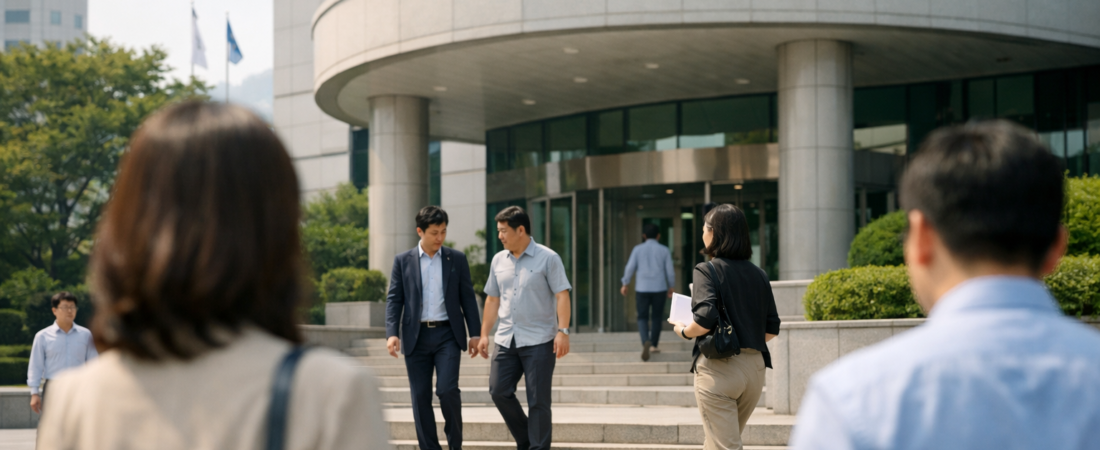
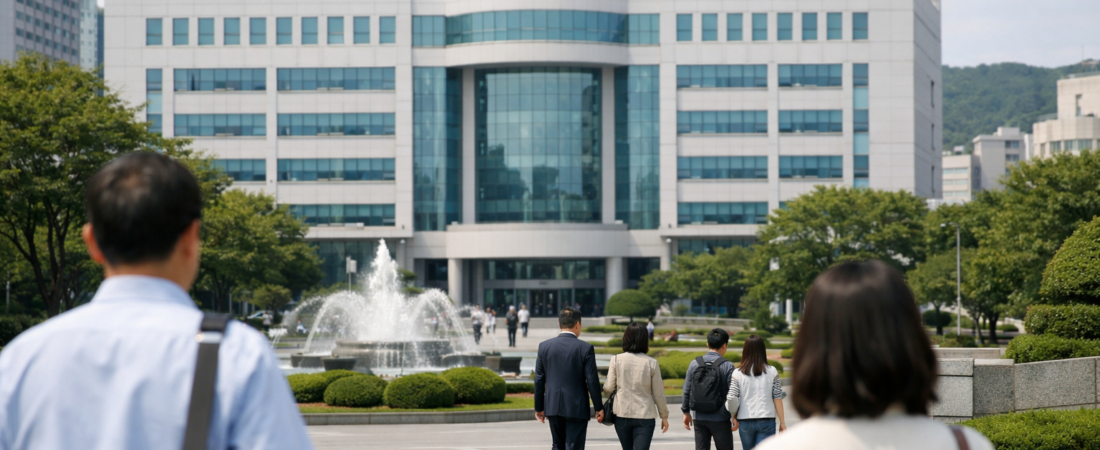
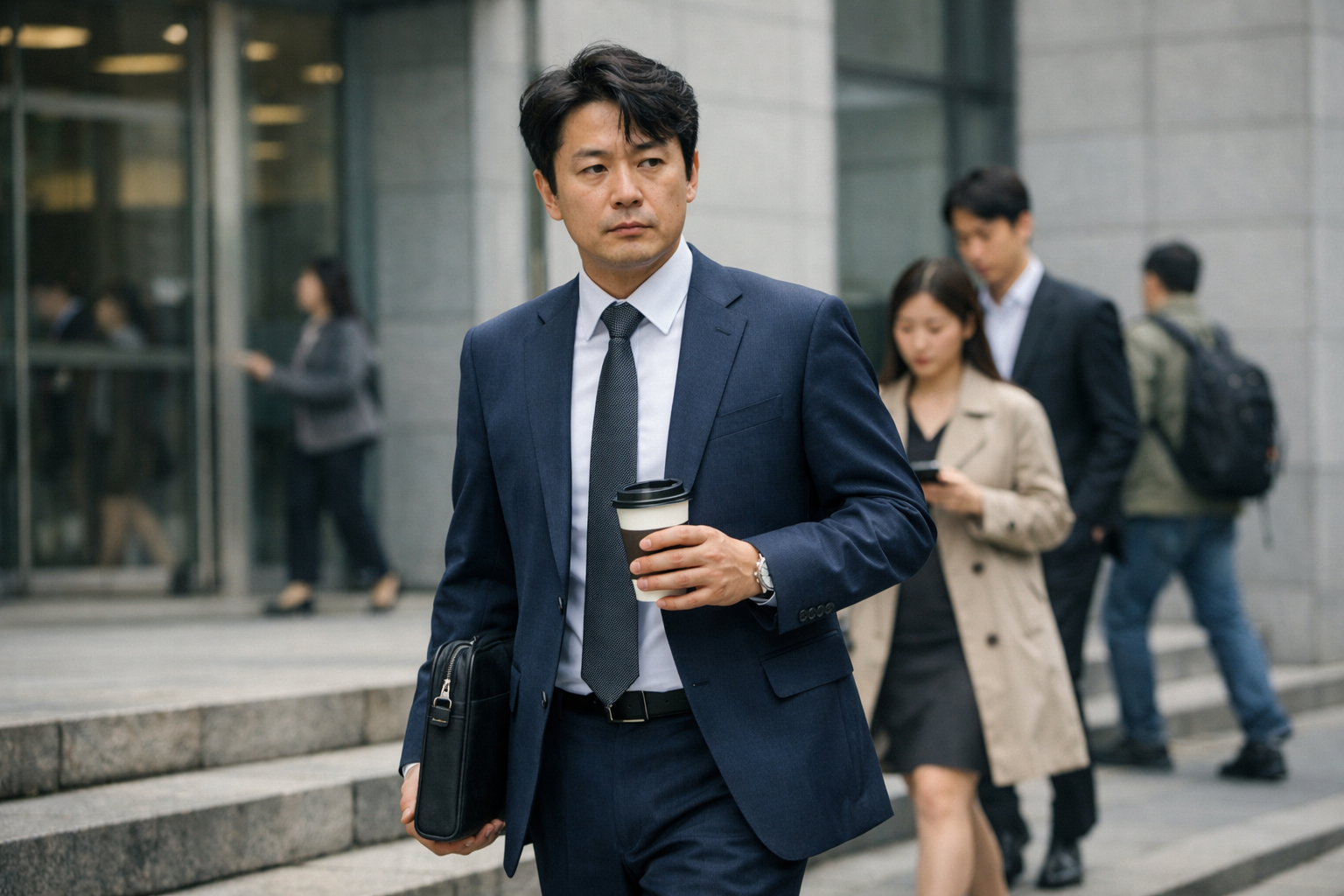
AI-Generated Photorealistic Image — All people, scenes, and details in this image are entirely AI-generated and fictional. Not a real photograph of an actual person or event. 이 이미지는 AI로 생성된 가상 이미지입니다.

Leave a Reply