Table of Contents
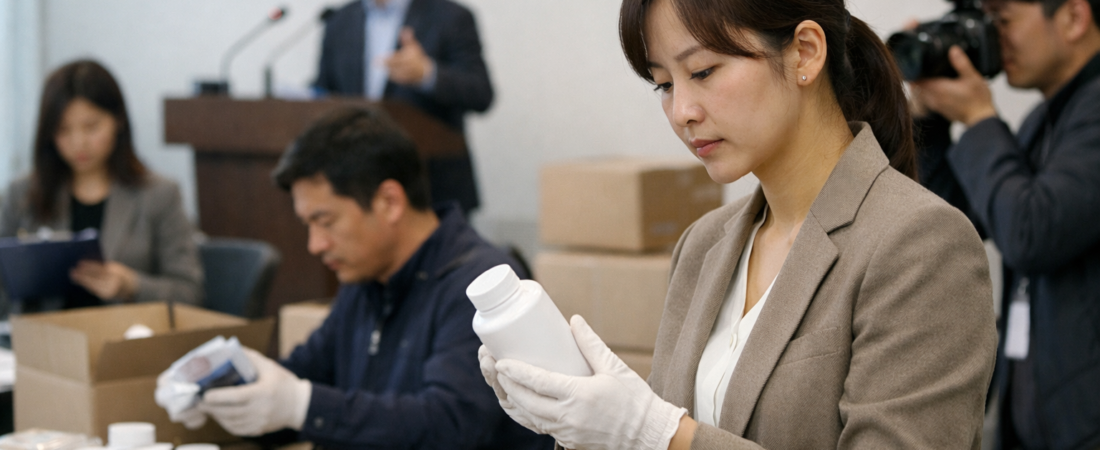
Have you ever wondered what happens after a product gets pulled off Korean shelves? Last year, Korea recorded 2,656 recall cases, and that number tells a bigger story than you might expect. Behind every recall is a system working hard to keep you safe.
The Korea Fair Trade Commission just released its annual report on domestic recall activity. It shows a country tightening its grip on defective and dangerous goods. Let’s break down what actually happened, and why it matters far beyond Korea’s borders.
Why Did Recall Numbers Jump Last Year?
A total of 2,656 recall cases were recorded last year in Korea. That is not a small figure, and it reflects a system that is catching more problems than before. But is a higher recall number actually bad news?
Not necessarily. More recalls often mean better detection, not worse products. Regulators are getting sharper at spotting defects before they cause real harm to consumers.
Food product recalls saw a notable rise, and local government-issued recalls jumped by a striking 144 percent. That kind of increase suggests local authorities are taking a much more active role. Consumer safety used to be a top-down job, but now it looks more like teamwork between national and local agencies.
This shift matters. When a recall system works well, you rarely notice it. You just trust that the milk in your fridge or the toy on your child’s shelf has already passed through several layers of scrutiny.
What Kinds of Products Triggered a Recall?
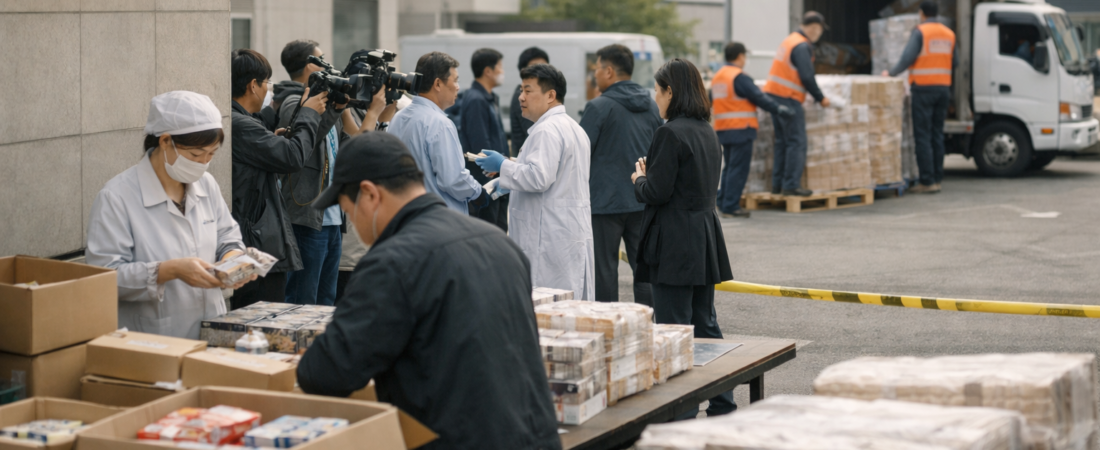
Let’s look at the breakdown. Industrial goods accounted for 1,282 recall cases, making them the largest single category. Medical devices followed with 308 cases, a category that deserves your close attention.
Why does the medical device number stand out? These are products that touch your body directly, sometimes literally inside it. A defect here carries higher stakes than a faulty phone charger.
Food products also saw a sharp increase in recall activity last year. Combine that with the local government surge mentioned earlier, and a pattern emerges. Korea’s recall system is expanding its reach into categories that directly affect daily life, not just big industrial goods.
Think about your own shopping habits for a moment. How often do you check whether a product you bought has ever been recalled? Most people never do, which is exactly why a strong recall system needs to work quietly in the background, protecting you even when you are not paying attention.
Blocking 13,000 Dangerous Products at the Border
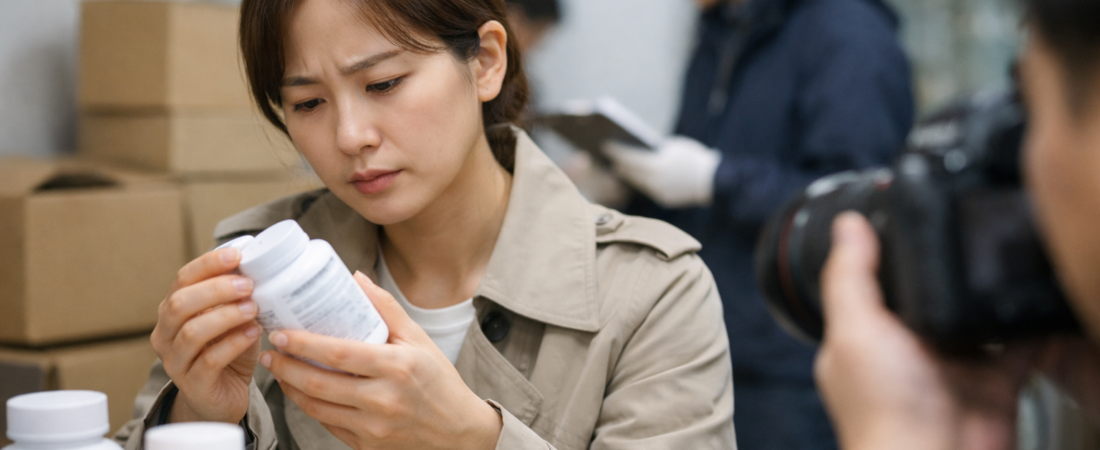
Here is where the story gets more interesting for global readers. Korea blocked around 13,000 hazardous foreign products from entering its domestic market last year. That is a massive number, and it points to a country increasingly worried about what crosses its borders through online shopping.
Cross-border e-commerce has exploded across Asia in recent years. Koreans, like consumers everywhere, now buy directly from overseas sellers with a few taps on their phones. (Somewhere, a customs officer is probably still amazed at how many random gadgets people try to import.)
The Korea Fair Trade Commission has stated it will keep working actively to prevent hazardous products from entering the country. This is not a one-time crackdown. It is a continuing effort to keep pace with a shopping world that no longer respects national borders.
You might be asking yourself: does this actually affect me if I live outside Korea? It does, in a quiet way. As global supply chains tangle together, a recall standard set in Seoul can influence what manufacturers ship worldwide, since companies often prefer one safety standard over many. For more detail on how these figures were compiled, see the original report from Maeil Business Newspaper.
What This Means for You as a Consumer
So what should you take away from all these recall numbers? First, a rising recall count is not a warning sign by itself. It usually means the safety net is doing its job, catching problems before they reach your home.
Second, the surge in local government recalls shows a system becoming more decentralized and more responsive. Cities and provinces are no longer waiting for Seoul to act first. This kind of layered oversight, national and local working side by side, tends to close gaps that a single central agency might miss.
It would be easy to simply celebrate these numbers as proof that Korea’s consumer protection system is strong and improving. But honesty requires us to notice the harder truth underneath the statistics: thousands of defective products still reached real people’s homes before anyone caught the problem. That gap between detection and prevention is where trust gets tested, and no country has fully closed it.
Still, there is something worth holding onto here. A system that recalls more, blocks more, and reports more openly is a system choosing transparency over silence. That choice, repeated year after year by regulators and local officials alike, slowly builds the kind of quiet trust that lets you buy a bottle of medicine or a child’s toy without a second thought.
Looking ahead, expect Korea’s recall infrastructure to keep expanding, especially around cross-border online shopping. As more consumers buy directly from overseas sellers, the pressure on customs and safety agencies will only grow. The question is whether enforcement can keep pace with the sheer volume of goods flowing across digital borders.
What do you think about Korea’s approach to blocking risky imported products before they ever reach store shelves?
AI-Generated Photorealistic Image — All people, scenes, and details in this image are entirely AI-generated and fictional. Not a real photograph of an actual person or event. 이 이미지는 AI로 생성된 가상 이미지입니다.


Leave a Reply