Table of Contents
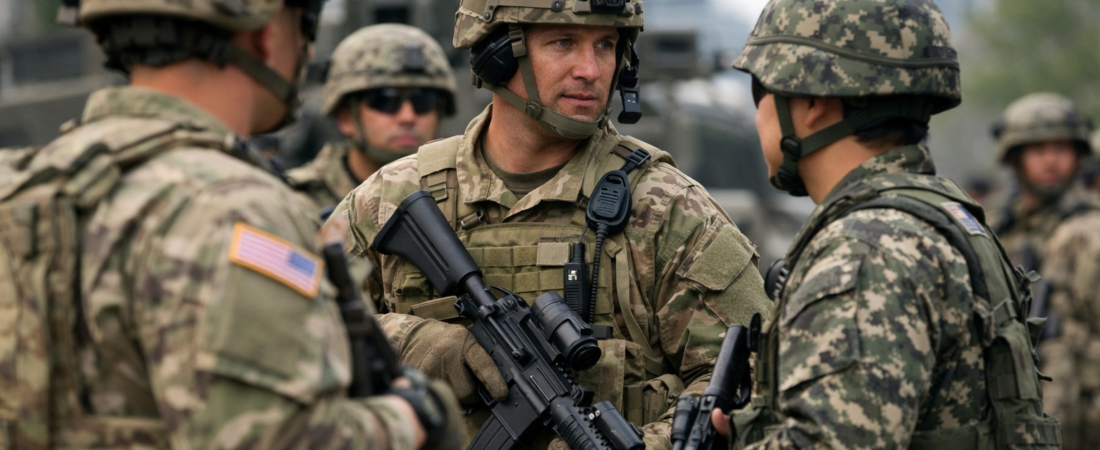
Can a military exercise shrink while a security threat grows? That question sits at the heart of this year’s Korea-US combined exercise, known as Ulchi Freedom Shield, or UFS.
South Korea and the United States will run the drill from August 17 to 27. But this year’s version looks smaller, quieter, and less South Korea-led than many defense experts expected.
At the same time, Russia’s Pacific Fleet is preparing a massive show of force in the East Sea. The timing is not a coincidence you can ignore.
What Is Happening With the 2026 UFS Exercise?
The UFS combined exercise runs for ten days starting August 17. Officials say the drill reflects recent battlefield lessons and the ongoing timeline for wartime operational control, known as OPCON, transfer.
Ryan Donald, the public affairs officer for United States Forces Korea, called the exercise a chance to support “conditions-based” preparation for OPCON transfer. That phrase sounds reassuring on paper.
But what does “conditions-based” actually mean if the conditions themselves are shrinking? This year’s combined exercise will be led by the U.S. military, not by a South Korean commander.
That detail matters more than it might seem. Analysts have long argued that a true test of OPCON readiness requires South Korean generals directing the exercise, not simply participating in it.
Why the Scaled-Down Joint Drills Raise Questions
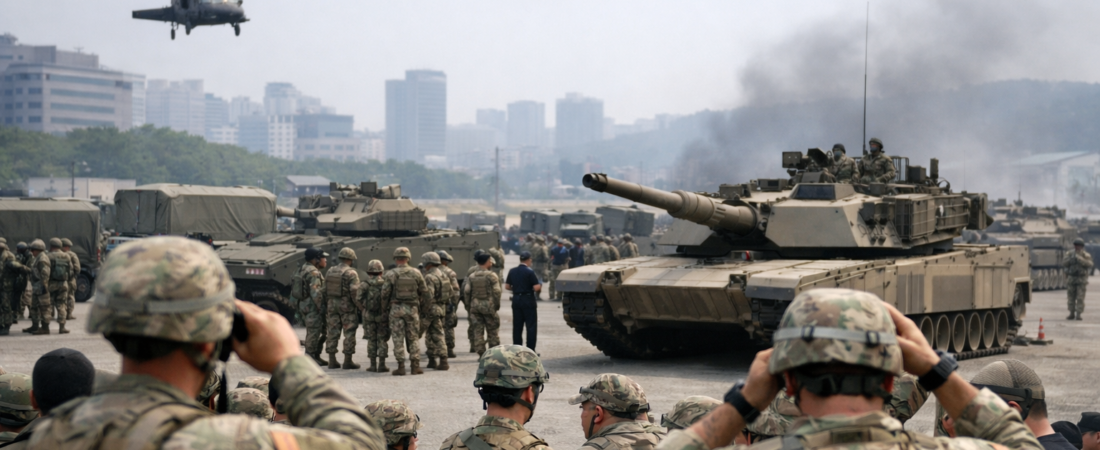
Numbers tell part of the story here. Field maneuver drills at the battalion level or above dropped from 17 exercises last year to just 14 this year.
The South Korean Joint Chiefs of Staff insists there is no cause for concern. Jang Do-young, the JCS public affairs officer, explained that combined field training has simply been consolidated and spread evenly across the year.
Is that framing convincing, or is it a polite way of describing a real reduction? Reasonable people can read it either way, and that ambiguity itself is worth noting.
Critics also point to a gap in relevance. North Korea has reportedly reinforced its front-line rocket artillery and fortified forward positions in recent months.
Yet none of these developments appear to be reflected in this year’s exercise scenario. Training that does not track the threat it claims to prepare for loses some of its value, no matter how many days it runs.
You can find more background on the exercise’s stated goals via SBS News, which first reported these details.
Russia’s Big Show in the East Sea
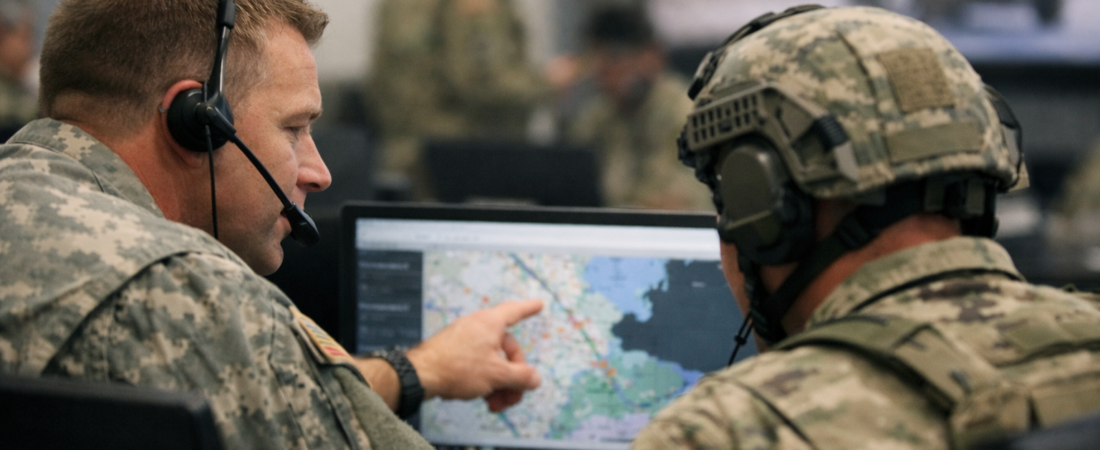
While UFS shrinks, Russia is scaling up. The Russian Pacific Fleet plans to deploy roughly 60 vessels, 30 aircraft, and 13,000 troops in the East Sea during the same window.
Russia’s Ministry of Defense says the drills began on August 4 and will continue for several weeks. That is a long runway for a single military exercise.
Nuclear submarines and strategic bombers from Russia’s Far East forces will reportedly conduct joint drills across the East Sea and the Sea of Okhotsk. Russian media also report plans for coastal defense drills using hypersonic anti-ship missiles.
Picture two neighbors on the same street. One is quietly trimming the hedges, and the other just rented a fleet of bulldozers — that contrast is roughly what’s playing out in these waters this month.
The scale difference here is hard to miss. Russia’s drill involves more than four times the personnel typically associated with a major regional exercise, and it runs alongside a scaled-down allied response just across the water.
What This Means for Wartime Command Transfer
OPCON transfer has been a South Korean policy goal for years. The idea is straightforward: give South Korean commanders full authority over their own forces during wartime, rather than relying on a U.S.-led command structure.
Every combined exercise cycle is supposed to move that goal forward. But if South Korea never actually leads the exercise, how much closer does the country really get?
This is not simply a bureaucratic detail. It touches on sovereignty, military capability, and how South Korea positions itself amid rising regional tensions from North Korea and now visibly from Russia.
South Korea’s alliance with the United States remains genuinely strong, built on decades of shared sacrifice and mutual trust. That closeness has real value, and it is worth honoring rather than taking for granted.
At the same time, deep alliances can sometimes slow a partner’s own growth, especially when one side is used to leading and the other is used to following. The path forward likely involves both sides being honest about that tension, and gradually shifting more real responsibility onto South Korean commanders rather than symbolic gestures alone.
Looking ahead, the gap between this year’s scaled-back Korea-US drills and Russia’s expanding drills deserves close attention. Smaller exercises are not automatically weaker ones, but they do raise fair questions about readiness and leadership timelines.
What do you think — should South Korea push harder for a South Korean-led exercise next year, even if it complicates alliance coordination?
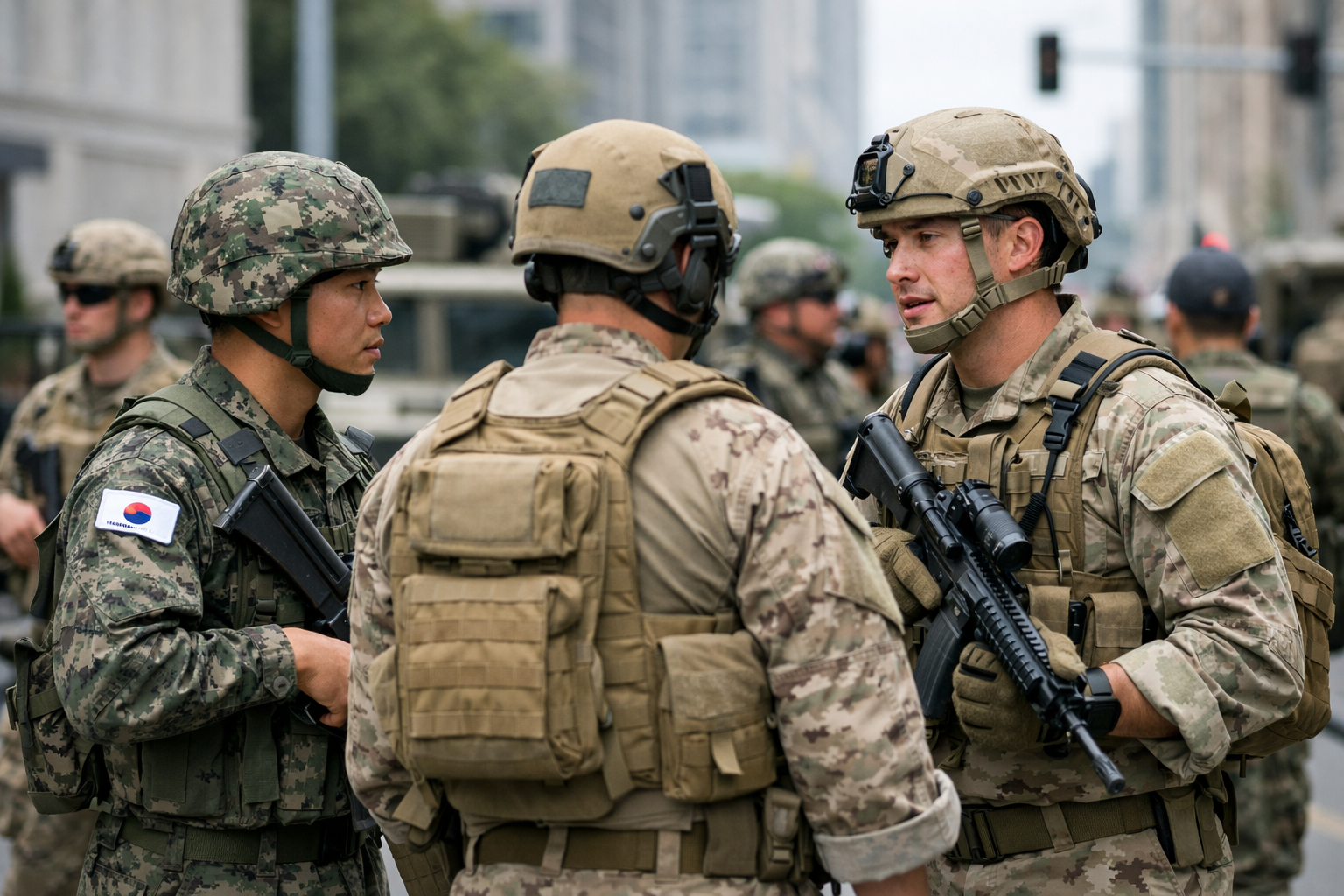
AI-Generated Photorealistic Image — All people, scenes, and details in this image are entirely AI-generated and fictional. Not a real photograph of an actual person or event. 이 이미지는 AI로 생성된 가상 이미지입니다.



Leave a Reply