
Table of Contents
Can a beloved tourist attraction survive a legal crackdown without hurting the small businesses around it? That question is now front and center in Chungju, a city in North Chungcheong Province.
The Hwalok Cave, one of Chungju’s most famous attractions, has become the subject of an unfolding controversy. Local authorities say the cave has been operating illegally, and they plan to fix it.
But nearby merchants aren’t just watching quietly. They’re demanding real solutions, not just enforcement.
What’s Happening at the Hwalok Cave in Chungju
Chungju city officials recently announced they would address illegal operations at Hwalok Cave, a limestone cave turned tourist destination. The cave has drawn visitors for years with its unique underground scenery and cultural programs.
According to a report from Yonhap News Agency, city authorities determined that certain operational practices at the site violated regulations. Rather than let the issue continue, Chungju decided to step in and correct it.
That sounds simple enough, right? But the reality on the ground is far more complicated.
Hwalok Cave isn’t just a cave — it’s an economic engine for the surrounding area. Souvenir shops, restaurants, and parking services near the site depend heavily on steady visitor traffic. So when the city signals major changes are coming, business owners naturally start worrying about their bottom line.
You can read more background on this developing situation from Yonhap News Agency, which first reported on the merchants’ response.
Why Local Merchants Are Speaking Up
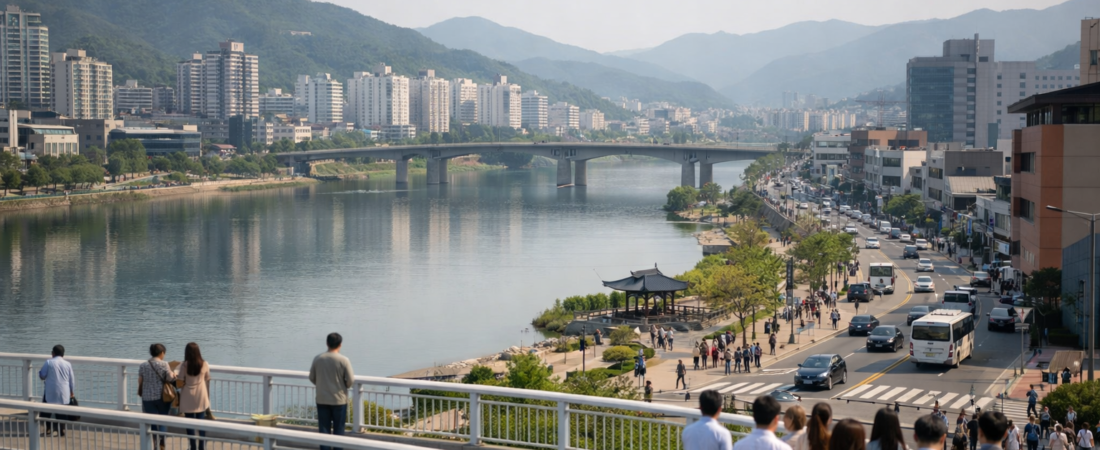
Merchants near Hwalok Cave didn’t stay silent for long. Once word spread about the city’s enforcement plans, shop owners quickly organized to voice their concerns.
Their message is clear: fixing illegal operations shouldn’t come at the cost of local livelihoods. Many worry that abrupt administrative action could scare away tourists, at least in the short term.
And in a small city like Chungju, tourism dollars matter a lot. Fewer visitors doesn’t just mean fewer souvenir sales — it can mean closed shops and lost jobs.
Merchants argue that Chungju needs a more balanced approach. Instead of simply shutting things down, they’re asking for a transition plan that protects both legal compliance and local income.
Have you ever watched a well-meaning policy accidentally hurt the very people it was supposed to help? This is exactly the tension merchants in Chungju are trying to avoid.
Think of it a bit like fixing a bridge while people still need to cross it every day — you can’t just close it overnight without a detour plan.
Balancing Regulation and Local Livelihoods
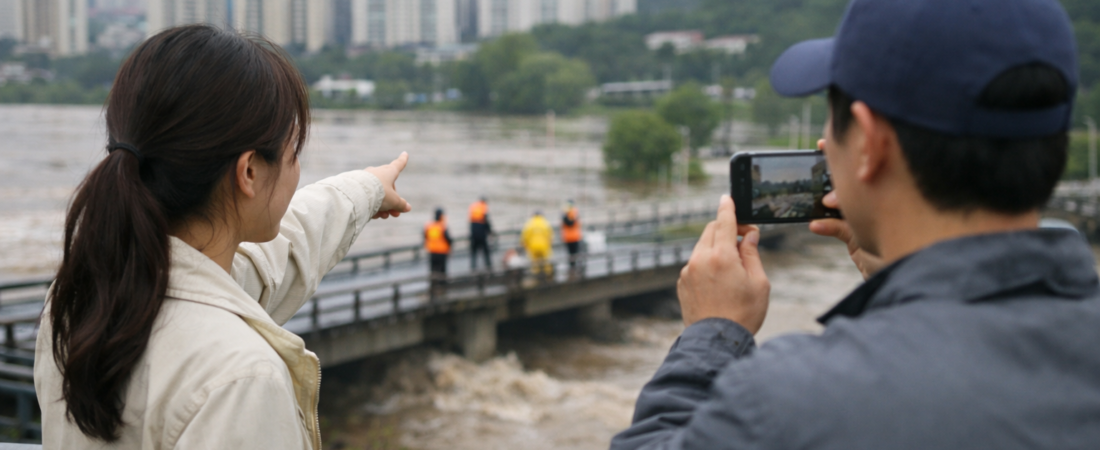
This isn’t the first time Korea has faced this kind of dilemma. Local governments regularly wrestle with how to enforce rules at popular attractions without triggering economic backlash.
Chungju’s case highlights a broader pattern seen across the country. Tourism regulation often moves faster than the support systems meant to cushion its impact.
So what would a smarter approach look like here? Merchants suggest phased enforcement, financial support during the transition, and clear communication from city officials about timelines.
These aren’t unreasonable requests. Cities elsewhere in Korea have used similar strategies when correcting operational issues at cultural or natural heritage sites, giving businesses time to adjust rather than facing sudden disruption.
Chungju officials haven’t yet detailed exactly how they’ll handle the transition. That uncertainty is part of what’s fueling merchant anxiety right now.
Without a concrete plan, even a fair enforcement decision can feel like an unfair burden landing entirely on shopkeepers who had no role in the original violations.
There’s an honest tension here worth naming directly. Local governments sometimes move to correct problems without fully accounting for the small business owners caught in the middle, and that gap can feel unjust to the people living it.
Yet this same tension has pushed communities toward better solutions before — public forums, phased rollouts, and small business grants have emerged in similar disputes across Korea when residents and officials chose dialogue over standoff. The fact that merchants are organizing and speaking up publicly is itself a sign of a community trying to shape its own future, not just accept decisions handed down from above.
What This Means for Chungju’s Tourism Future
Chungju’s identity as a tourist destination is closely tied to Hwalok Cave. If this situation drags on without resolution, it could affect how visitors perceive the entire region.
On the other hand, a well-managed correction could actually strengthen trust in the site long-term. Tourists generally feel more comfortable visiting attractions that operate transparently and legally.
So the stakes go beyond just this one cave. Chungju’s response could set a precedent for how the city handles similar issues at other attractions down the road.
City officials now face a real test of leadership. Will Chungju move forward with enforcement alone, or will it pair correction with genuine support for the merchants nearby?
The answer will likely shape not just Hwalok Cave’s future, but the broader relationship between Chungju’s government and its local business community. Trust, once shaken, takes real effort to rebuild.
What do you think — should cities prioritize strict enforcement first, or find ways to protect local businesses while fixing regulatory problems?
AI-Generated Photorealistic Image — All people, scenes, and details in this image are entirely AI-generated and fictional. Not a real photograph of an actual person or event. 이 이미지는 AI로 생성된 가상 이미지입니다.
Leave a Reply