
Table of Contents
What happens when a beloved tourist attraction turns out to be operating outside the law? That’s the question facing Chungju right now, as officials move to correct illegal operations at Hwarok Cave. This story isn’t just about one cave in central Korea — it’s about the tension between rules and livelihoods that many small towns face.
Hwarok Cave has become one of Chungju’s signature attractions in recent years. Now, local authorities want to fix its legal status, and nearby merchants are pushing back with demands of their own.
What’s Happening at Hwarok Cave
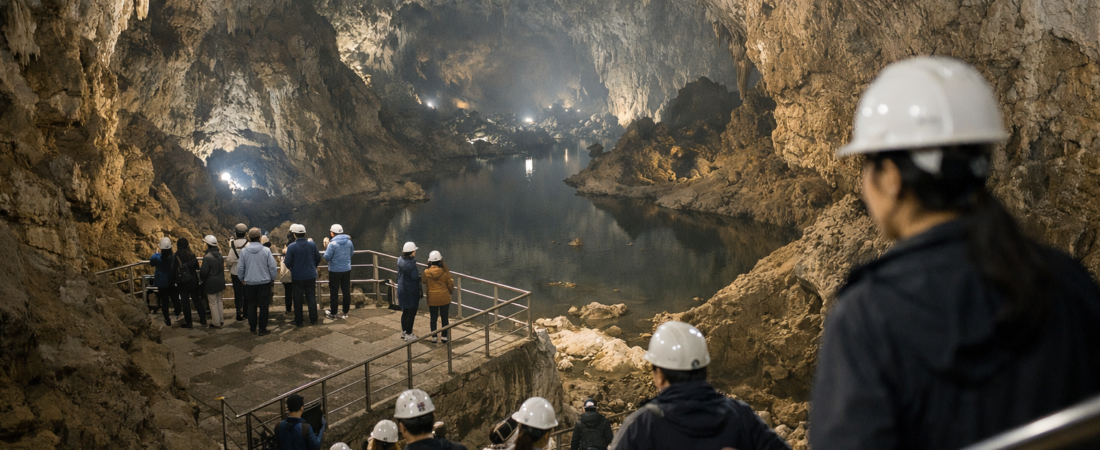
Chungju city officials in North Chungcheong Province announced plans to address illegal operations at Hwarok Cave. The cave, known for its striking underground scenery, has drawn steady crowds. But its operational structure apparently violated existing regulations, prompting the city to step in.
Officials say they want to bring Hwarok Cave into full legal compliance. Sounds simple enough, right? But when a major attraction changes its operations suddenly, the ripple effects reach far beyond the cave’s entrance gate.
You can imagine the scale of concern here. Hwarok Cave isn’t just a geological curiosity — it’s an economic engine for the surrounding neighborhood. That’s exactly where this story gets complicated.
Why Local Merchants Are Worried
Nearby shop owners have voiced strong concerns about the city’s plan. They worry that sudden administrative action could scare away tourists. Fewer visitors means fewer customers walking through their doors, and that hits hard in a smaller regional economy.
Merchants are calling for what they describe as responsible measures. In other words, they’re not necessarily opposing the legal correction itself. They want the city to think through how enforcement will affect the broader commercial ecosystem around Hwarok Cave.
Think about your own neighborhood for a second. If a major local landmark suddenly closed or changed overnight, wouldn’t nearby restaurants and shops feel the shock immediately? That’s precisely the anxiety spreading through Chungju’s business community right now.
This isn’t an isolated complaint, either. Small tourism towns across Korea depend heavily on single anchor attractions. When that anchor wobbles, entire local economies can wobble with it — a pattern researchers have documented in regions from Jeju Island to Gangwon Province.
Tourism Versus Regulation: A Familiar Korean Dilemma
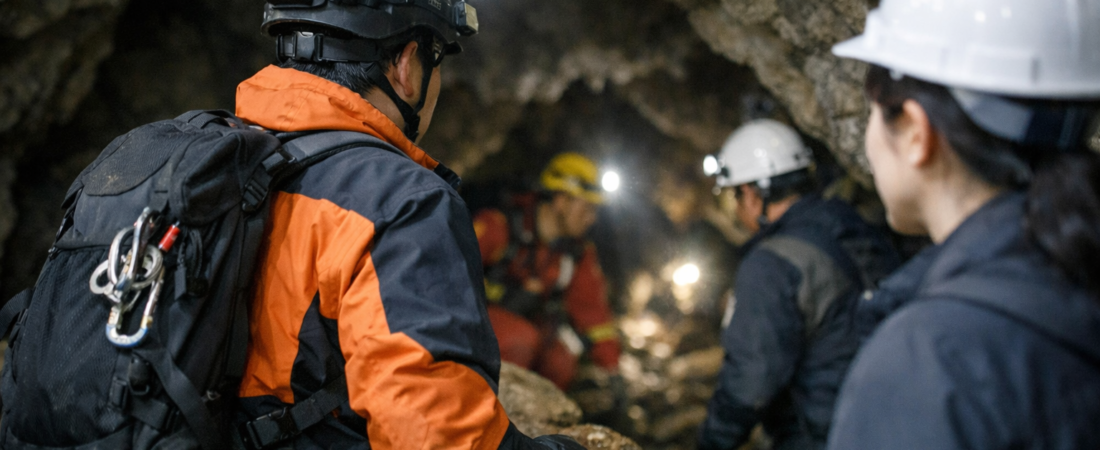
This clash between regulation and local economic interest isn’t new in Korea. Cities have long struggled to balance rapid tourism growth with proper legal oversight. Hwarok Cave’s situation echoes similar cases at other regional attractions where popularity outpaced regulatory paperwork.
Why does this keep happening? Often, smaller tourist sites grow organically, driven by word-of-mouth or social media buzz, faster than local governments can update permits and safety codes. (Somewhere, a city planner is sighing audibly.)
Korea’s regional tourism boom over the past decade has been remarkable. Provincial governments actively market hidden gems to compete with Seoul and Busan for visitor spending. But that same enthusiasm can outrun careful planning, leaving gaps that later demand painful corrections.
You might wonder whether this is simply a case of the city being too slow, or the operators being too hasty. Honestly, it’s probably both. According to reporting by Yonhap News Agency, the city itself acknowledges the need to act, even as it recognizes the economic stakes involved.
What Comes Next for Chungju
So where does Chungju go from here? The city says it wants to correct the illegal status of Hwarok Cave while working with the community. Merchants, meanwhile, are pressing for a transition plan rather than an abrupt shutdown.
Local economic protection and legal compliance don’t have to be enemies. A phased approach — clear timelines, temporary support for nearby businesses, and transparent communication — could let Hwarok Cave keep drawing visitors while its operations get sorted out. That’s the kind of solution both merchants and officials seem to want, even if they haven’t agreed on the details yet.
There’s something honest happening here that goes beyond one cave in one small city. Communities built around a single shared landmark often discover, in moments like this, just how tightly their fates are tied together. That closeness can be a real strength, giving neighbors a common cause and a reason to speak up together.
But the same interdependence also means one policy misstep can ripple through dozens of livelihoods at once, and that vulnerability deserves honest acknowledgment, not just celebration of community spirit. The path forward likely isn’t choosing between rules and people. It’s finding leaders willing to slow down enough to protect both.
Hwarok Cave will likely stay open in some form, whatever the final resolution looks like. The real test is whether Chungju can model a smarter way to fix problems — one that doesn’t leave small business owners paying the price for administrative catch-up. What do you think: should tourist towns prioritize quick legal fixes, or slower transitions that protect local merchants first?
AI-Generated Photorealistic Image — All people, scenes, and details in this image are entirely AI-generated and fictional. Not a real photograph of an actual person or event. 이 이미지는 AI로 생성된 가상 이미지입니다.

Leave a Reply