Table of Contents
Can a small coastal city bet its future on boat racing? That question is now dividing residents of Yeosu, a city long known for its ocean views and quiet charm. A proposal to build a gyeongjeong, or motorboat racing venue, has sparked heated debate across the region.
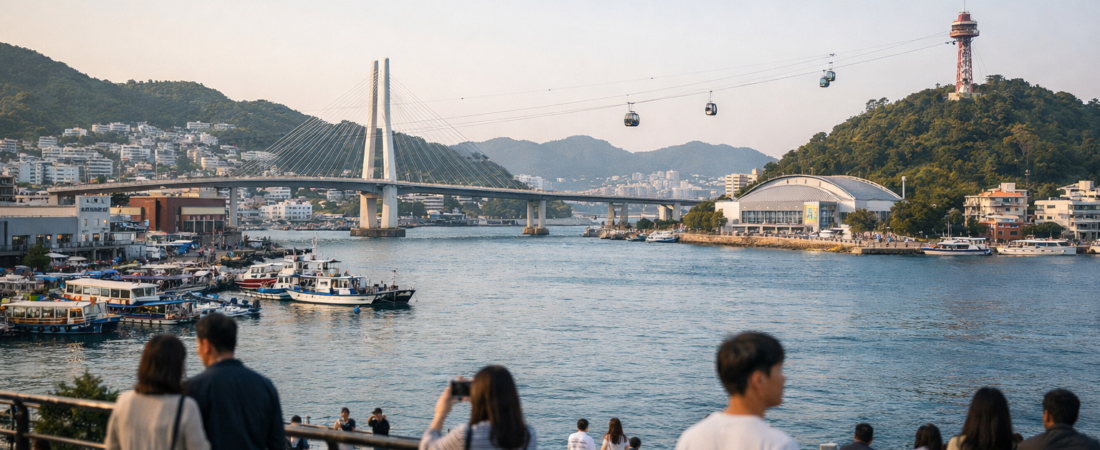
Yeosu sits on the southern coast of South Jeolla Province. Tourists know it for its night skyline, seafood markets, and the 2012 World Expo site. Now local politicians want to add something completely different to that list.
A New Debate Rocks Yeosu
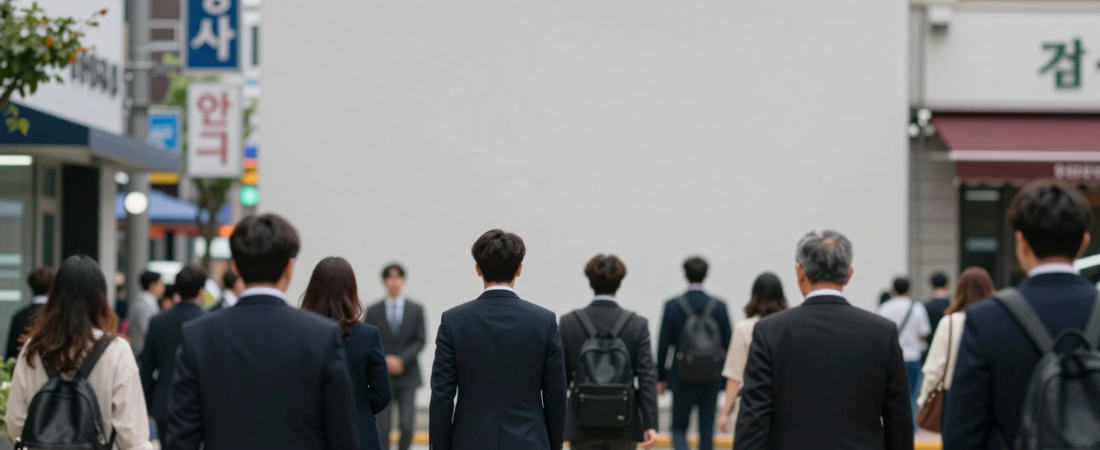
The idea came from within Yeosu’s local political circles. A proposal to attract a gyeongjeong track has moved from private conversation to public controversy almost overnight. Supporters and critics are now trading arguments in council meetings, local media, and neighborhood gatherings.
Why does this matter so much to ordinary residents? Because a racing venue would reshape Yeosu’s identity, not just its skyline. Some see it as an economic lifeline; others see it as a moral compromise.
According to Yonhap News Agency, the proposal has already triggered public discussion, or “gongnonhwa,” a term Koreans use for structured community debate on sensitive issues. This isn’t a quiet policy discussion anymore. It has become a defining question for Yeosu’s future direction.
What Exactly Is Gyeongjeong Racing?
Gyeongjeong is a licensed motorboat racing sport, similar in structure to horse racing or cycling races used for legal betting in Korea. Spectators watch boats race around a water course, then place wagers on the outcome. It operates under strict government regulation, much like Korea’s existing horse racing and cycling betting industries.
Korea currently runs a limited number of these facilities nationwide. Each one generates significant tax revenue and local jobs. Supporters in Yeosu argue their city could become the next hub, especially given its existing tourism infrastructure and coastal geography.
Here’s the twist that makes Yeosu interesting: it already draws millions of visitors yearly without any gambling attraction. Could adding gyeongjeong actually boost that number further, or does it risk changing what tourists come to Yeosu for in the first place? That’s the real question dividing supporters and skeptics alike.
Proponents describe the venue as a rare opportunity. They call it “dokbojeok gwangwang jawon,” meaning a uniquely competitive tourism asset that no other city on the coast currently offers. In their view, gyeongjeong could set Yeosu apart from rival tourist destinations in a crowded regional market.
Tourism Dream or Moral Risk?
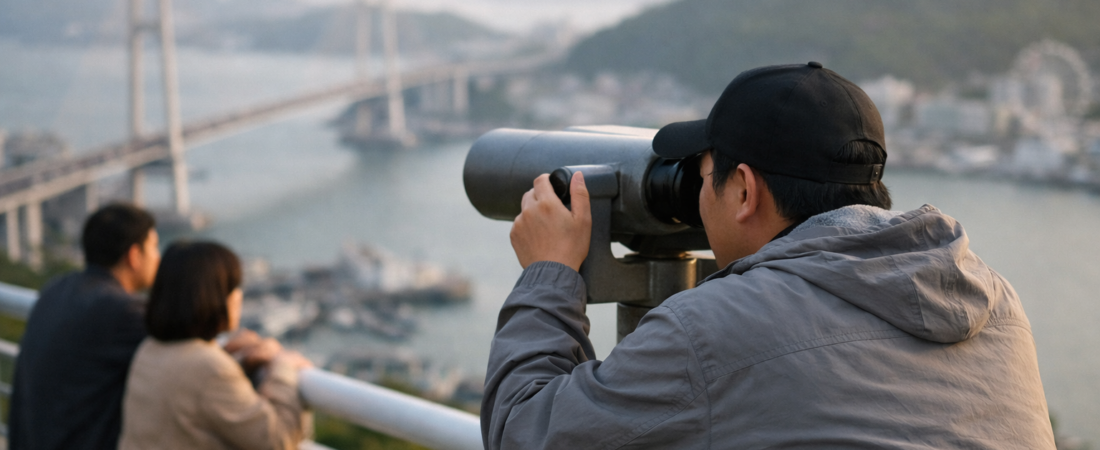
Opponents frame this very differently. They call gyeongjeong a “sahaeng saneop,” or a vice industry built on gambling. For them, inviting this kind of business into Yeosu risks normalizing betting culture in a community that has never depended on it.
This concern isn’t unique to Yeosu. Korean cities that already host similar facilities have faced long-running debates about gambling addiction, social costs, and whether tax revenue truly outweighs community harm. Local governments elsewhere have had mixed results balancing these competing pressures.
Should short-term economic gain outweigh long-term social cost? That’s the uncomfortable question opponents keep asking. And it’s a fair one — because tourism revenue is measurable, but addiction, family strain, and shifting neighborhood character are much harder to put a number on.
Supporters counter that regulation matters more than the industry label itself. Well-managed gyeongjeong facilities, they argue, channel gambling activity that already exists elsewhere into a controlled, taxed, and monitored environment. The real debate, they say, isn’t whether people gamble — it’s where and how that activity gets managed.
This tension between opportunity and caution isn’t new for coastal Korean cities. Many have faced similar crossroads when deciding whether to welcome casinos, resort developments, or other revenue-generating but controversial industries. Yeosu’s current debate echoes that same historical pattern, just with a different sport at its center.
What Comes Next for Yeosu
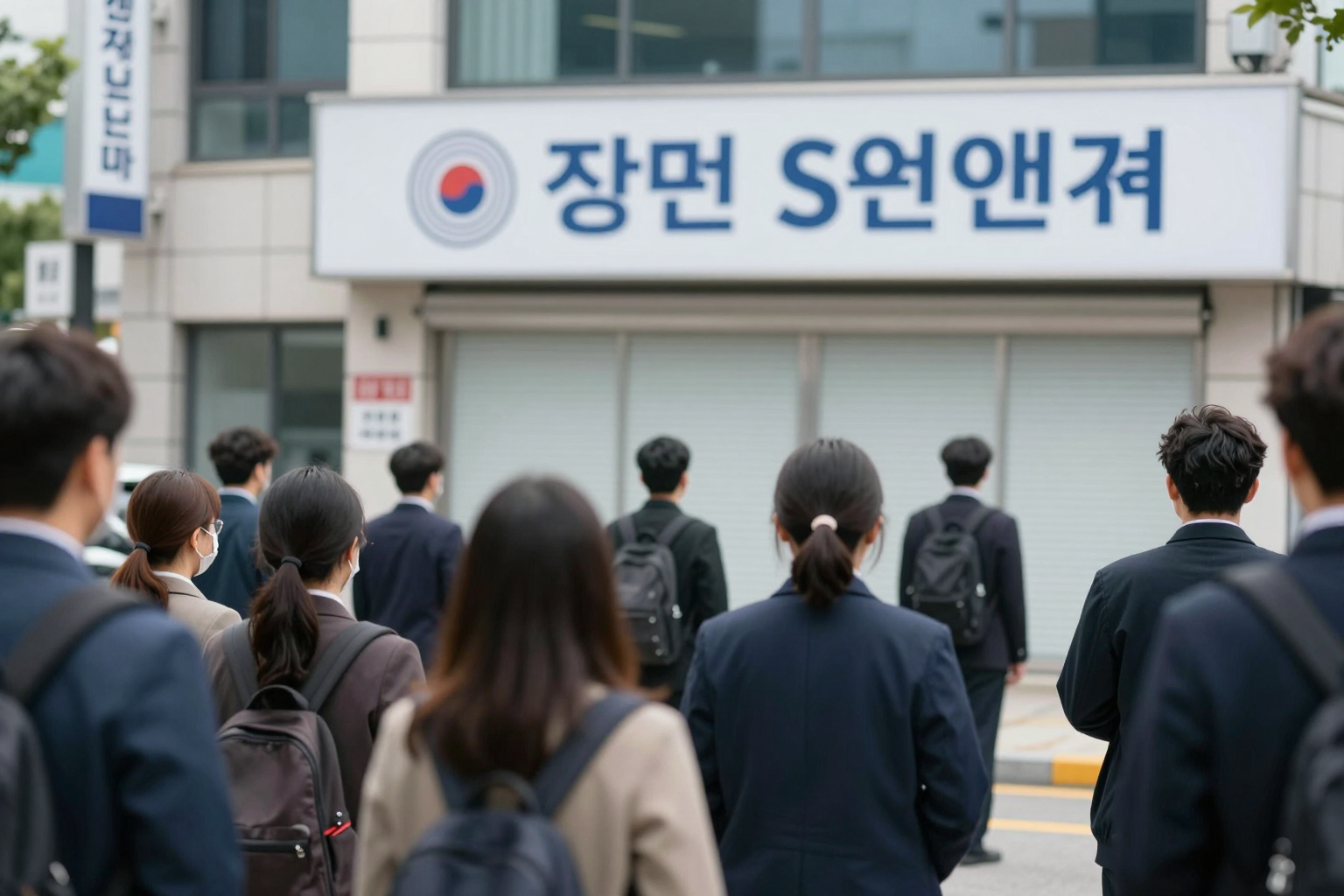
Where does Yeosu go from here? Local officials have signaled that public hearings and further “gongnonhwa” sessions will continue in the coming months. No final decision appears imminent, and that pause itself may be healthy for a debate this consequential.
Communities everywhere face this same balancing act between growth and identity. Yeosu’s situation shows something honest about small cities trying to compete for tourism dollars: the choices are rarely simple, and every option carries a trade-off worth naming clearly.
There is real hope here, though, and it isn’t naive. The very fact that Yeosu residents are debating this openly, rather than letting officials decide quietly behind closed doors, reflects a community that still values shared decision-making over convenience.
That same closeness that makes public debate possible can also make disagreement feel personal and sharp in a small city where everyone knows everyone. But even that friction, uncomfortable as it is, often produces better decisions than silence ever could. Yeosu’s residents are working through a hard question together, and that process matters as much as whatever answer they eventually reach.
Whatever Yeosu decides, the outcome will likely shape how other mid-sized Korean cities approach similar dilemmas. Tourism competition across the country is intensifying, and every coastal city is searching for its own answer to standing out. Yeosu may simply be the first to have this conversation so publicly.
What do you think — should Yeosu welcome gyeongjeong as a bold tourism strategy, or is the moral risk too high for this coastal city to take on?
AI-Generated Photorealistic Image — All people, scenes, and details in this image are entirely AI-generated and fictional. Not a real photograph of an actual person or event. 이 이미지는 AI로 생성된 가상 이미지입니다.
Leave a Reply