
Table of Contents
Should a supervisor pay the price for someone else’s shortcuts? That question sits at the center of the Song Min-ho case this week in Seoul.
Prosecutors have requested a one-year prison sentence for a public service agency manager. He allegedly failed to properly supervise Song Min-ho, the WINNER member accused of skipping his mandatory alternative service duties.
This case has moved beyond a single celebrity controversy. It now raises bigger questions about accountability inside Korea’s social service system.
What Happened in the Song Min-ho Case
Song Min-ho, 33, served as a social service agent instead of standard military duty. Korean prosecutors allege he left his assigned workplace without authorization on multiple occasions.
That alone would be serious. But this week’s development shifts focus to someone else entirely: the manager responsible for overseeing his service.
According to Yonhap News Agency, prosecutors requested a one-year prison term for this supervisor. Their argument is straightforward.
They believe the manager knew, or should have known, about Song Min-ho’s absences. Instead of reporting or correcting the problem, prosecutors say he allowed the poor attendance to continue unchecked.
This is not just about one idol’s missed shifts anymore. It is about whether an entire oversight system did its job.
Understanding Korea’s Alternative Service System
Every able-bodied Korean man faces mandatory military service. But some individuals qualify for alternative service instead, based on health conditions or other approved circumstances.
This alternative track, often called social service duty, assigns people to public institutions, hospitals, or local government offices. It is meant to be equally demanding as military service, just structured differently.
Think of it as national service with a desk instead of a barracks bunk. That does not mean it is easy — supervisors track hours, attendance, and conduct closely.
Song Min-ho was assigned to this system rather than active duty. His case, however, has become one of the most closely watched examples of how the system can fail when oversight breaks down.
Public service duty controversies are not new in Korea. Celebrities in particular face intense scrutiny, because millions of ordinary citizens complete the same service quietly and dutifully every year.
That contrast — quiet compliance from the public versus visible controversy from a public figure — fuels much of the public anger around cases like this one.
Why Prosecutors Targeted the Supervisor
Here is the real twist in this story. Prosecutors are not only pursuing Song Min-ho himself.
They are also pursuing the person who was supposed to watch over his service. Why does that matter so much?
Because Korea’s alternative service system depends on layered accountability. Individual service agents follow rules, but managers and institutions must enforce them.
If supervisors look away, the entire system loses credibility. Prosecutors appear to be sending a message here that goes well beyond Song Min-ho as an individual case.
The requested one-year sentence targets a manager, not the service agent. This distinction shows prosecutors treating institutional negligence as seriously as personal wrongdoing.
Is that fair? Many would argue yes — a system only works when everyone inside it, not just the visible face of a scandal, is held responsible.
Others might ask whether this shifts too much blame away from Song Min-ho himself. Both concerns deserve a place in this conversation, and Korean courts will ultimately decide how responsibility gets divided.
What This Means for Public Trust Going Forward
Cases like Song Min-ho’s tend to shape public opinion about fairness in military and alternative service. South Koreans take service obligations seriously, and public trust in the system runs deep but not unconditionally.
When a celebrity appears to receive lax oversight, that trust takes a hit. When prosecutors respond by holding a supervisor accountable, it can partially restore confidence that no one gets special treatment.
It is worth pausing here, though. It is easy to feel cynical about institutions when a case like this surfaces — assuming favoritism exists everywhere, simply because it existed once.
But that assumption misses something important. The fact that prosecutors pursued this case at all, reaching beyond the celebrity to the system around him, suggests the mechanisms for accountability are actually working, even if imperfectly and slowly.
Korean institutions are not flawless, and gaps in supervision clearly allowed this situation to happen in the first place. Yet the same system that failed once is now correcting itself in public view, with real consequences on the table for the people responsible.
That tension — imperfect oversight paired with visible accountability — probably describes most human institutions, not just Korea’s alternative service program. Progress rarely looks like perfection; it looks like systems catching their own failures and trying again.
So where does this leave Song Min-ho, and where does it leave the broader system meant to manage cases like his? The court’s decision on the supervisor will likely shape how future service violations get handled.
If the sentence request holds, it sets a precedent: supervisors cannot simply look the other way. That precedent could matter more, long-term, than the outcome for Song Min-ho alone.
What do you think — should institutional gatekeepers face the same scrutiny as the individuals they are supposed to supervise?
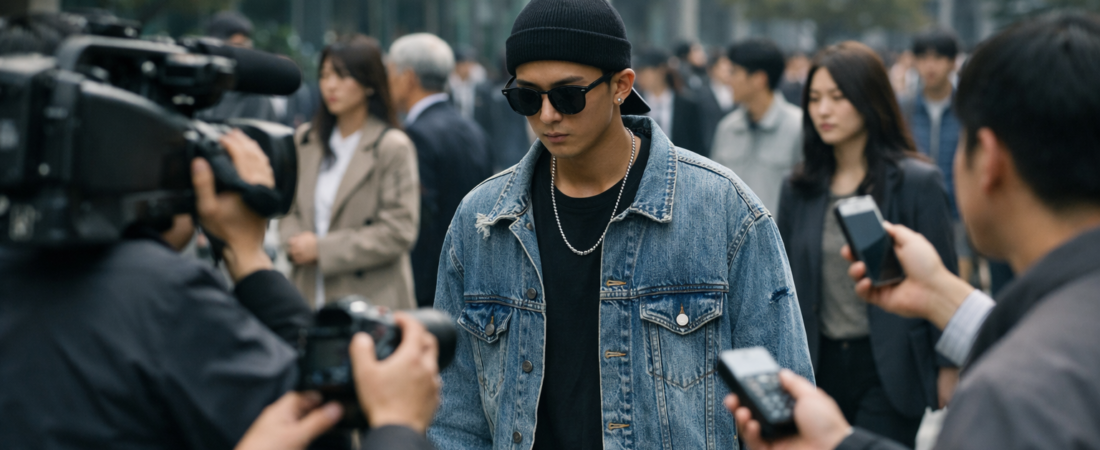
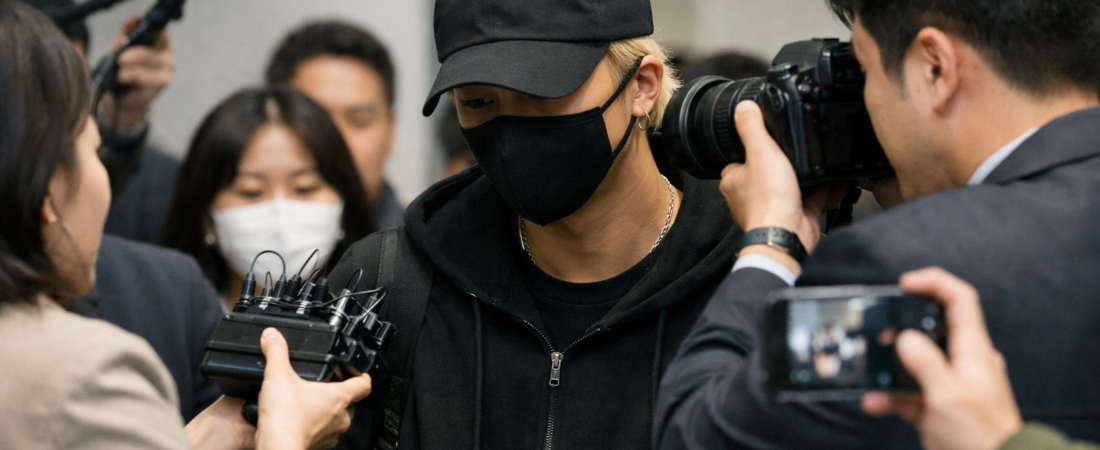
AI-Generated Photorealistic Image — All people, scenes, and details in this image are entirely AI-generated and fictional. Not a real photograph of an actual person or event. 이 이미지는 AI로 생성된 가상 이미지입니다.
Leave a Reply