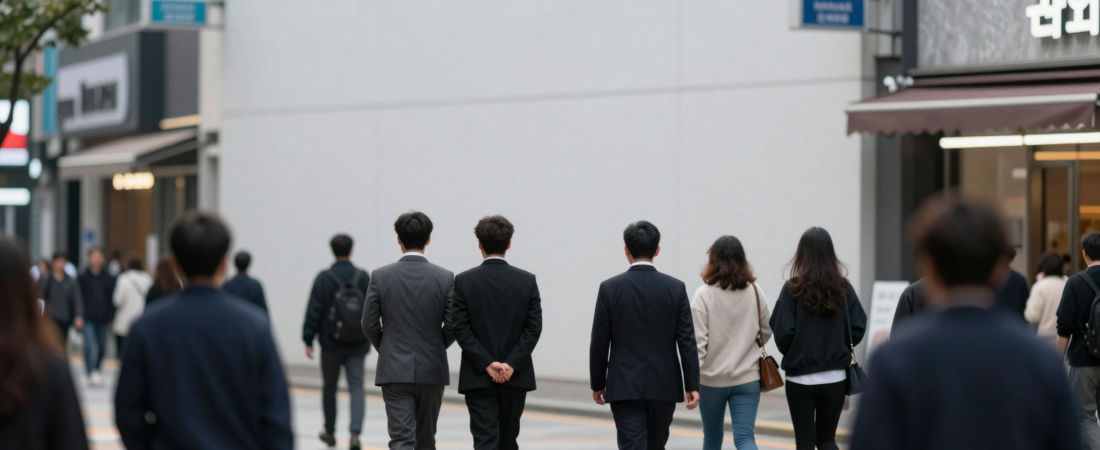
Guide to Gwanak-gu’s Night Market Festivals
Table of Contents
Gwanak-gu, a district in southern Seoul, hosts a rolling series of night festivals through late October, turning traditional markets and small alleyways into evening gathering spots. Local officials launched this program to boost foot traffic after dark and support small business owners. If you love wandering through lantern-lit alleys with street food in hand, this district deserves a spot on your Seoul itinerary.
Why does a local government put so much energy into nighttime markets? Because for many neighborhoods, daytime shopping alone no longer pays the bills. Gwanak-gu is betting that romance, food, and music after sunset can bring life back to its oldest commercial streets.
Why Gwanak-gu Is Reviving Its Alley Culture
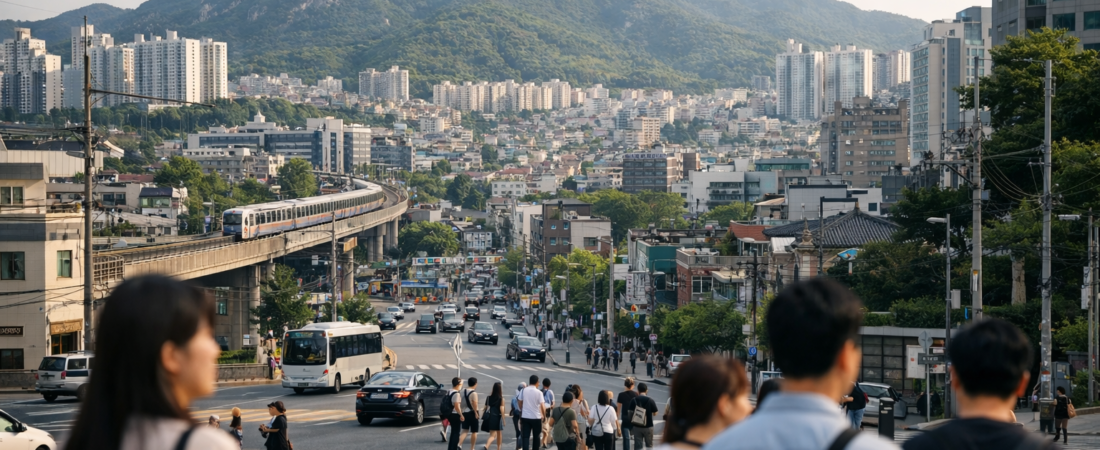
Gwanak-gu sits near several university campuses, giving it a young, energetic population. Yet its traditional markets have struggled against convenience stores and online shopping, a pattern seen across South Korea. The district’s “2026 Night and Food Culture Promotion Project” directly targets this decline.
Traditional markets have long served as the heartbeat of Korean neighborhoods. Grandmothers selling produce, fishmongers calling out prices, the smell of grilled fish drifting through the air — these scenes shaped daily life for generations. Have you ever noticed how quiet these markets feel by early evening, even in a city that never seems to sleep?
That quiet is exactly what Gwanak-gu wants to change. By combining food stalls, live performances, and cultural programs, the district hopes to stretch shopping hours into the night. This mirrors a broader national trend of “night economy” policies, seen in districts like Seoul’s Jung-gu and Yeongdeungpo-gu, where local governments use festivals to revive struggling commercial streets.
District officials, under the leadership of Gwanak-gu mayor Park Jun-hee, describe the initiative as both economic and cultural. It is meant to increase nighttime visitors while giving residents a reason to linger in their own neighborhood. You could call it a tradition worth reheating, one skewer at a time.
What You Can Expect at These Night Festivals
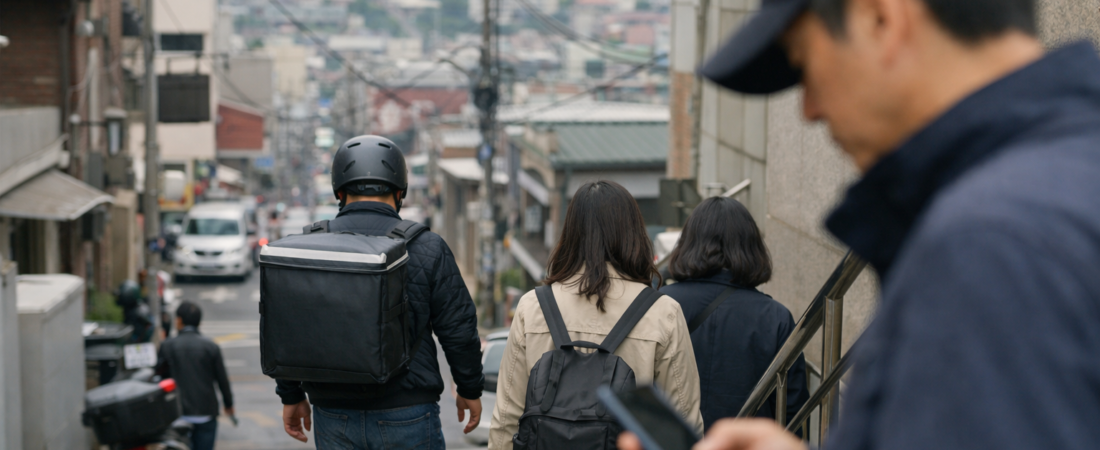
The Gwanak-gu festivals run through the end of October, rotating across different traditional markets and alley commercial zones. Each event pairs food vendors with cultural programming, from live music to small performances. The goal is a relaxed, walkable atmosphere rather than a single massive stage show.
Expect classic Korean street snacks alongside newer fusion offerings, since many young vendors have set up shop in Gwanak-gu near the university crowd. Tteokbokki, grilled skewers, and fried chicken stands are common anchors at these kinds of events across Seoul. If you want a fuller sense of how Korean night markets typically operate, the Yonhap News Agency has covered similar local festivals in past years.
What makes Gwanak-gu’s approach distinct is its focus on alleys rather than one central plaza. Instead of concentrating everything in a single location, the district spreads events across multiple small commercial strips. This means visitors can hop between neighborhoods, discovering different vendors and different moods each night.
Local residents often know these hidden alley shops better than any guidebook does. Are you the type of traveler who prefers wandering without a fixed plan? Then Gwanak-gu’s spread-out festival format might suit you better than a single festival ground ever could.
Tips for Visiting Gwanak-gu After Dark
Gwanak-gu is easily reachable by subway, with Seoul National University station and Sillim station serving as convenient access points. Evening festivals typically start after 6 p.m., once the daytime heat fades and foot traffic picks up. Bring cash, since many small alley vendors still prefer it over card payments.
Comfortable shoes matter more than you think. These alleys were built for walking, not for wide strollers, so narrow lanes and uneven pavement are part of the charm. Wear something you can move in easily, because standing in line for grilled skewers is half the experience.
There is something quietly hopeful in a neighborhood choosing togetherness over isolation, even as economic pressures push many small shops toward closure. Traditional markets across Korea have lost ground to convenience and speed, and that loss is real for the vendors who built their lives around them. Yet festivals like these show a different possibility, where community effort and local government support can still pull people back into shared public space.
That balance is worth sitting with. The same closeness that makes alley markets feel warm and familiar can also mask the quiet strain small business owners carry when sales slow down. Progress here does not erase difficulty, but it does offer a path where neighbors, vendors, and visitors rebuild something together, one night at a time.
Gwanak-gu’s festival season offers a small but meaningful test case for how Korean cities might keep local commerce alive. If the model works, expect other Seoul districts to expand their own nighttime programming in the years ahead. What do you think about using night festivals to revive traditional neighborhoods like Gwanak-gu?
AI-Generated Photorealistic Image — All people, scenes, and details in this image are entirely AI-generated and fictional. Not a real photograph of an actual person or event. 이 이미지는 AI로 생성된 가상 이미지입니다.
Leave a Reply