Table of Contents
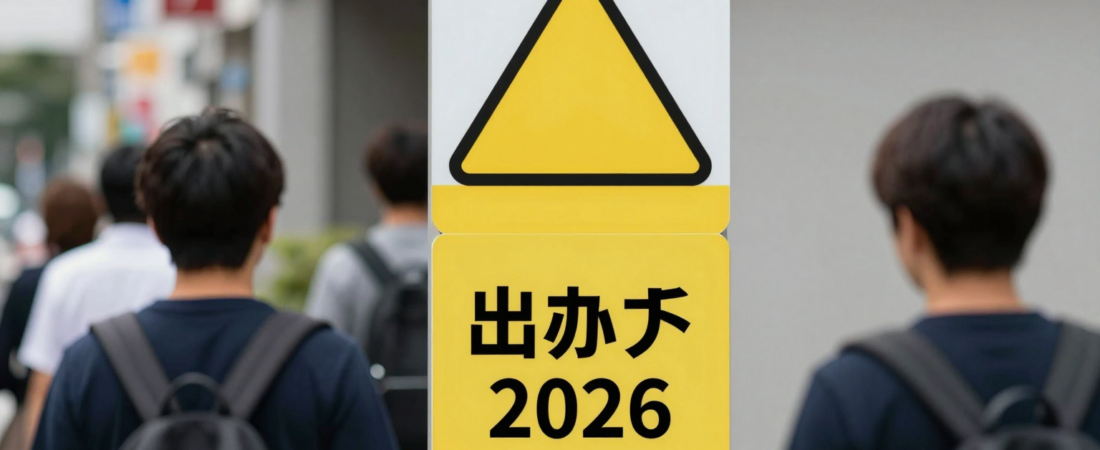
The Korea Meteorological Administration lifted the heat wave advisory for Gangseo-gu and southwest Seoul at 7:40 p.m. on August 29, 2026. The tropical night advisory ended at the same time. This marks the formal close of a stretch of dangerous summer heat for residents in this part of the city.
As of this week, heat wave advisory news has been circulating across Korean weather apps and social feeds, and for good reason. Southwest Seoul, including Gangseo-gu, had been under both a heat wave advisory and a tropical night advisory for days. Right now, Koreans are breathing a small sigh of relief as temperatures finally ease.
Isn’t it strange how a single announcement about weather can shape an entire neighborhood’s mood? For millions living in southwest Seoul, this heat wave advisory lift means something concrete. It means outdoor markets stay open longer, kids can play outside again, and elderly residents can finally turn off their fans at night.
Heat Wave Advisory Lifted in Southwest Seoul
Let’s break down exactly what happened. The Korea Meteorological Administration, Korea’s national weather agency, announced the heat wave advisory covering Gangseo-gu and neighboring southwest Seoul districts would end at 7:40 p.m. on August 29. This announcement came through the agency’s standard weather bulletin channels, reported by Yonhap News Agency.
A heat wave advisory in Korea is not just a casual warning. It triggers real changes in daily life, from adjusted work hours at construction sites to cooling centers opening in public buildings. When that advisory lifts, it signals the immediate danger has passed, at least for now.
The tropical night advisory lifting alongside it matters just as much. Tropical nights, when nighttime lows stay above 25 degrees Celsius, make sleep difficult and strain the body’s ability to recover from daytime heat. Removing both advisories at once tells residents the worst pressure point of this heat wave has finally broken.
How Korea’s Heat Wave Advisory System Works
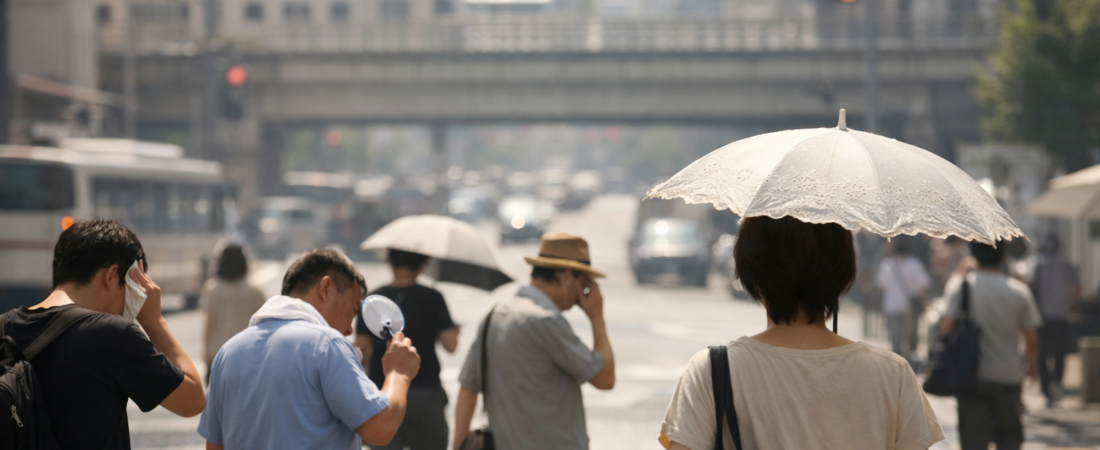
You might wonder how Korea decides when to issue or lift a heat wave advisory. The Korea Meteorological Administration uses specific temperature thresholds tied to public health risk. A heat wave advisory typically activates when the daily maximum temperature is expected to reach 33 degrees Celsius or higher for two consecutive days.
A stronger heat wave warning kicks in at 35 degrees Celsius under similar conditions. These thresholds aren’t arbitrary numbers pulled from thin air. They’re based on years of public health data showing when heat-related illness rates spike among vulnerable groups.
Seoul’s southwest districts, including Gangseo-gu, often see slightly different patterns than the city center. Lower elevation, denser housing, and less green space can trap heat longer into the evening. That’s partly why local advisories sometimes persist even after other parts of Seoul cool down.
Think of the heat wave advisory system like a dimmer switch rather than an on-off button. Advisories can be issued for specific districts while neighboring areas remain unaffected. This localized approach lets authorities target resources, like cooling centers and outdoor worker protections, exactly where they’re needed most.
Why This Summer Felt Different
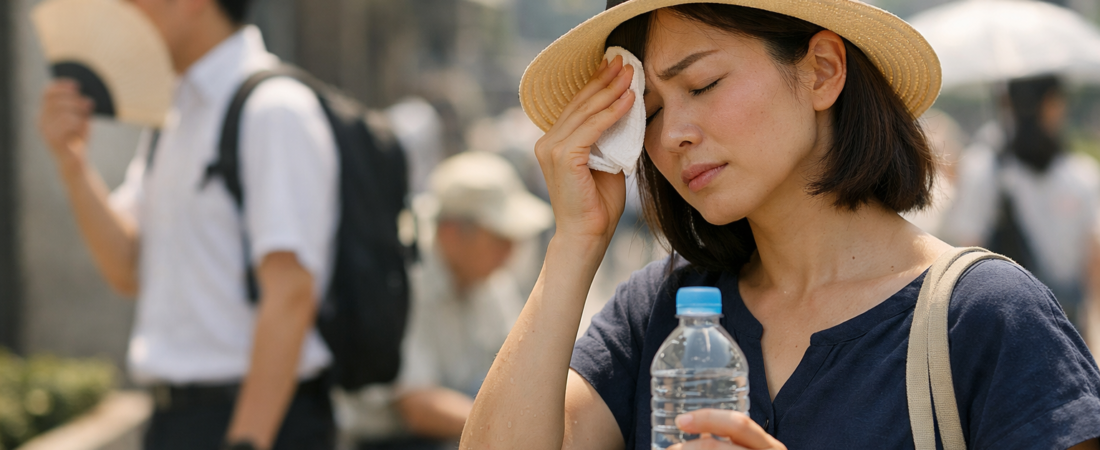
Has this summer felt hotter than usual to you? Many Seoul residents would say yes, and the data backs up that feeling. Korea has recorded a steady rise in both the frequency and duration of heat wave advisories over the past decade.
Climate researchers point to a mix of global warming trends and Seoul’s urban heat island effect. Concrete, asphalt, and dense buildings absorb and retain heat far more than green spaces do. This makes cities like Seoul feel noticeably hotter than surrounding rural areas, sometimes by several degrees.
Korean summers have always carried a certain intensity — think of the humidity that makes your shirt stick before you’ve even left your front door (a tradition worth complaining about, if there ever was one). But the pattern of extended tropical nights and repeated heat wave advisories in recent years suggests something beyond ordinary seasonal variation.
What does this mean for ordinary people going about daily life? It means public health systems face growing pressure every summer, not just during occasional extreme events. Emergency rooms report seasonal spikes in heat-related admissions, and outdoor workers face genuine occupational risk during peak advisory periods.
Here’s a thought worth sitting with. Cities are not just physical structures — they’re systems that either protect their most vulnerable residents or leave them exposed. Seoul’s expanding network of cooling centers and its increasingly precise heat wave advisory system reflect real institutional effort to close that gap, even as rising temperatures keep testing its limits.
That effort isn’t perfect, and it shouldn’t be romanticized. Elderly residents living alone, day laborers without shaded worksites, and low-income households without reliable air conditioning still bear the heaviest burden during every heat wave advisory period. Recognizing that imbalance honestly, while also seeing the genuine progress in early warning systems and public cooling infrastructure, feels like the more truthful way to read a story like this one.
What Comes Next for Seoul Residents
So what should Seoul residents actually do now that this heat wave advisory has lifted? First, don’t assume the heat is completely gone for the season. Late August and even September can bring short return spells of high temperatures, even after an official advisory ends.
Second, this is a good moment to check in on elderly neighbors or family members who may have struggled during the advisory period. Tropical nights are exhausting, and recovery from prolonged heat stress doesn’t happen instantly. A simple phone call or visit can catch lingering health issues before they become serious.
Third, keep an eye on Korea Meteorological Administration updates as autumn approaches. Weather patterns can shift quickly, and southwest Seoul districts like Gangseo-gu may see advisories reissued if another heat spell develops. Staying alert costs nothing and protects a lot.
For readers outside Korea, why should this local weather update matter to you at all? Because Seoul’s experience with heat wave advisories offers a preview of challenges many global cities will face as temperatures continue rising worldwide. How a densely populated capital manages public health risk during extreme heat is a case study worth watching, wherever you live.
Korea’s approach — precise thresholds, localized advisories, and public cooling infrastructure — isn’t flawless, but it offers a workable model. Cities from Tokyo to New York are grappling with similar urban heat island pressures right now. What do you think about how your own city handles extreme heat warnings compared to Korea’s system?
AI-Generated Photorealistic Image — All people, scenes, and details in this image are entirely AI-generated and fictional. Not a real photograph of an actual person or event. 이 이미지는 AI로 생성된 가상 이미지입니다.
Leave a Reply