Table of Contents
Korea’s meteorological agency lifted the heat wave advisory for Gangseo-gu and other parts of southwestern Seoul at 7:40 p.m. on August 29, 2026. The tropical night advisory for the same area was cancelled at the same time. This heat wave advisory removal brings welcome relief to residents after weeks of intense summer heat.
Right now in Korea, the topic of heat wave advisories is on everyone’s mind. Seoul has baked through one of its stickiest summers in recent memory, and any sign of cooling feels like breaking news. Have you ever noticed how a single weather bulletin can change the mood of an entire city?
Heat Warning Lifted in Southwest Seoul
The Korea Meteorological Administration announced the decision on August 29. Officials cancelled the heat wave advisory covering Gangseo-gu and neighboring districts in southwestern Seoul, effective 7:40 p.m. that evening.
This heat wave advisory had been in place as temperatures climbed to uncomfortable levels across the region. Along with it, the tropical night advisory also ended, signaling that nighttime temperatures should finally drop enough for residents to sleep without their air conditioners running all night.
The official announcement, reported through Yonhap News, contained no mention of additional damage or follow-up measures. That simplicity itself tells you something. Sometimes good news is exactly that — good news, nothing more, nothing less.
Understanding Korea’s Heat Advisory System
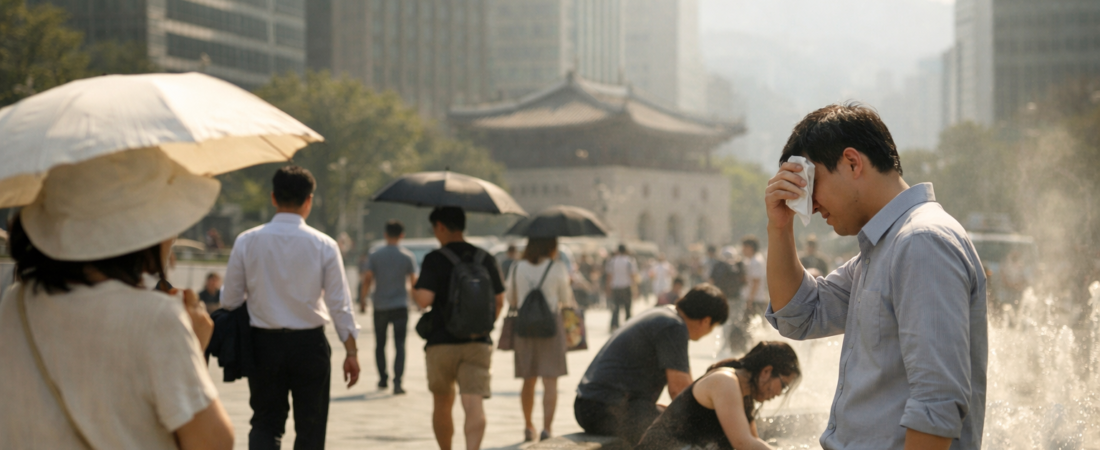
Korea uses a two-tier system for extreme heat. A heat wave watch, or “juuibo” in Korean terminology, kicks in when daytime highs reach certain thresholds for two consecutive days. A stronger warning follows if conditions worsen further.
The heat wave advisory specifically applies when the perceived temperature, factoring in humidity, reaches 33 degrees Celsius or higher. Seoul’s southwestern districts, including Gangseo-gu, often experience these conditions due to urban heat island effects. Concrete, asphalt, and dense buildings trap warmth long after the sun sets.
Tropical nights present their own challenge. This term describes nights when temperatures stay above 25 degrees Celsius, making restful sleep difficult without cooling systems. Korean summers have grown noticeably hotter over the past decade, and tropical nights that once felt rare now show up in local news headlines with striking regularity (yes, meteorologists really do track and announce every single one).
When a heat wave advisory gets issued, local governments in Korea typically open cooling shelters, extend outdoor worker breaks, and issue public health warnings for vulnerable groups. Removing the advisory doesn’t mean summer is over. It simply means the immediate danger threshold has passed for now.
Why This Matters for Daily Life in Seoul
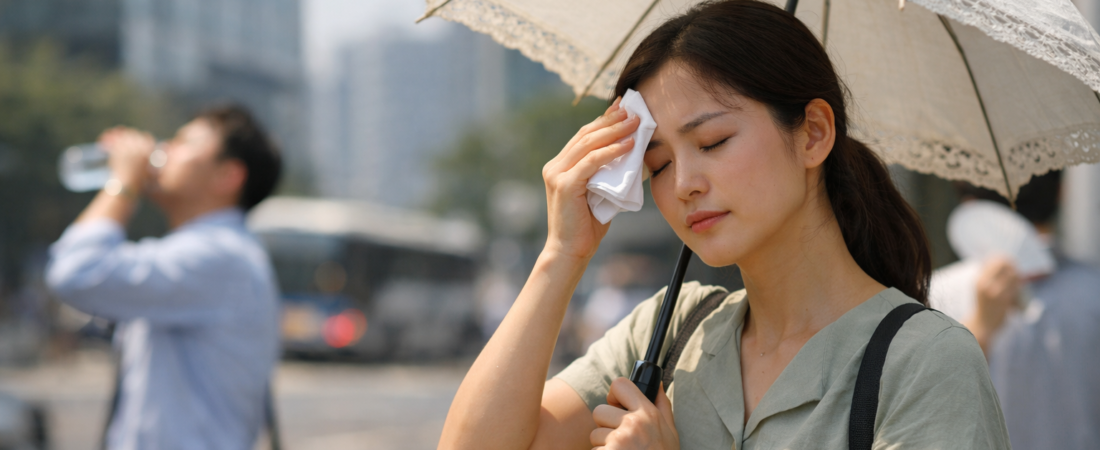
You might wonder why a single advisory cancellation deserves attention. For residents of Gangseo-gu and nearby areas, this heat wave advisory removal means real changes to daily routines.
Outdoor construction workers can return to normal schedules without mandatory extended breaks. Parents can send children outside to play in the evening again. Elderly residents, who face the highest health risks during extreme heat, get a much-needed reprieve.
Seoul’s summer heat isn’t just uncomfortable — it carries real health consequences. Heat-related illnesses spike during advisory periods, particularly among outdoor laborers and senior citizens living alone. When authorities lift a heat wave advisory, hospitals and emergency services also see the pressure ease slightly, even if only for a short stretch.
There’s something worth reflecting on here about how communities respond to shared discomfort. Korean neighborhoods often show remarkable solidarity during heat waves, with local governments distributing water and opening public cooling centers for anyone who needs them.
Yet this collective resilience shouldn’t obscure a harder truth: not everyone has equal access to relief. Elderly residents living alone, day laborers without flexible schedules, and low-income households without reliable air conditioning often bear the heaviest burden even as advisories come and go.
The encouraging part is that cities like Seoul have expanded free cooling shelters and outreach programs in recent years, specifically targeting these vulnerable groups. Progress is uneven, but it is real, and it points toward a future where a heat wave advisory triggers not just caution, but coordinated care for those who need it most.
Looking Ahead: Late Summer Weather Patterns
Late August typically marks a turning point in Korea’s summer weather. As the advisory lifts, meteorologists expect temperatures to gradually ease heading into September, though sudden heat spikes remain possible.
Climate patterns across East Asia have grown less predictable in recent years. A heat wave advisory that gets cancelled one week could theoretically return the next, especially as global weather systems shift in response to broader climate trends.
For international readers, this local story reflects something bigger. Cities everywhere are learning to manage extreme heat as a recurring seasonal reality, not a rare emergency. Seoul’s advisory system, with its clear thresholds and rapid public communication, offers a useful model for other urban centers facing similar pressures.
So what does this mean for the months ahead? Expect Korean meteorological authorities to keep monitoring conditions closely across all of Seoul’s districts, ready to reissue a heat wave advisory the moment thresholds are met again. What do you think about how cities should balance short-term relief measures with longer-term climate adaptation?
AI-Generated Photorealistic Image — All people, scenes, and details in this image are entirely AI-generated and fictional. Not a real photograph of an actual person or event. 이 이미지는 AI로 생성된 가상 이미지입니다.
Leave a Reply