
Table of Contents
Korea’s weather agency issued a heavy rain advisory for Seongju in North Gyeongsang Province at 4:10 p.m. on August 30. At the very same time, eight cities including Pohang stayed under heat advisories. Seongju now faces a rare double squeeze: strong rain on one side, lingering heat on the other.
Right now in Korea, the heat wave is still a hot topic on social media, even as rain clouds move in. It sounds strange, doesn’t it? Rain and extreme heat, happening in the same country, on the same afternoon.
Heavy Rain Warning Hits Seongju
The Korea Meteorological Administration confirmed the advisory for Seongju on August 30. This step came because forecasters expect strong rainfall over the region. Seongju, a rural county known for its melon farms, now needs to prepare for sudden downpours.
A heavy rain advisory in Korea usually signals rainfall of 60 millimeters or more within three hours, or 110 millimeters over twelve hours. That is a serious amount of water in a short window. Farmers in Seongju watch these numbers closely, since their melon greenhouses can flood fast.
Meanwhile, the heat advisories for Pohang and seven other locations did not lift. So residents there dealt with high humidity and rising temperatures at the same moment other regions braced for rain. This kind of split weather pattern is becoming more familiar across Korea’s late summer season.
You might wonder how one small country can host such different conditions on a single day. Korea’s geography actually explains a lot of this. Mountain ranges, coastal winds, and shifting air masses create pockets of very different weather within just a few hours’ drive.
Why Both Rain and Heat Are Hitting Korea at Once
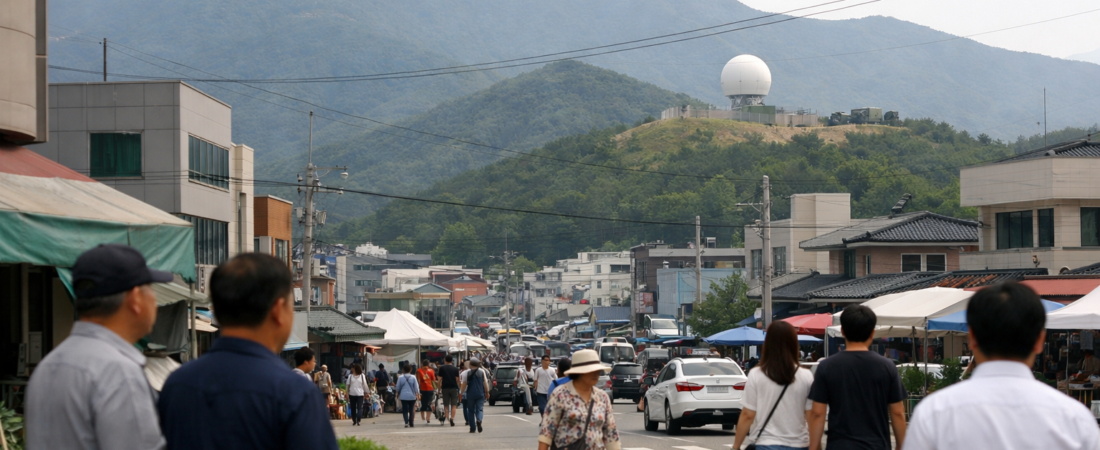
Late August in Korea often marks a tricky transition period. Summer heat has not fully left, yet the seasonal rain systems start moving through again. This overlap creates exactly the situation Seongju faced this week.
Warm, moist air masses collide with cooler fronts pushing down from the north. That collision produces sudden, localized rain, sometimes even in areas still baking under high heat. Pohang and the other seven cities under heat advisories sit along different air currents than Seongju, which explains the contrast.
Climate researchers have noted this pattern more frequently in recent years. You can check detailed forecast data through Yonhap News, which tracks these regional weather shifts closely. Is this just normal seasonal variation, or a sign of something bigger changing in Korea’s climate?
Honestly, both answers hold some truth. Korea has always had unpredictable transitions between summer and autumn. But warmer overall temperatures do seem to be stretching the heat season longer, while rain events grow more intense when they finally arrive.
What This Means for Daily Life in Korea
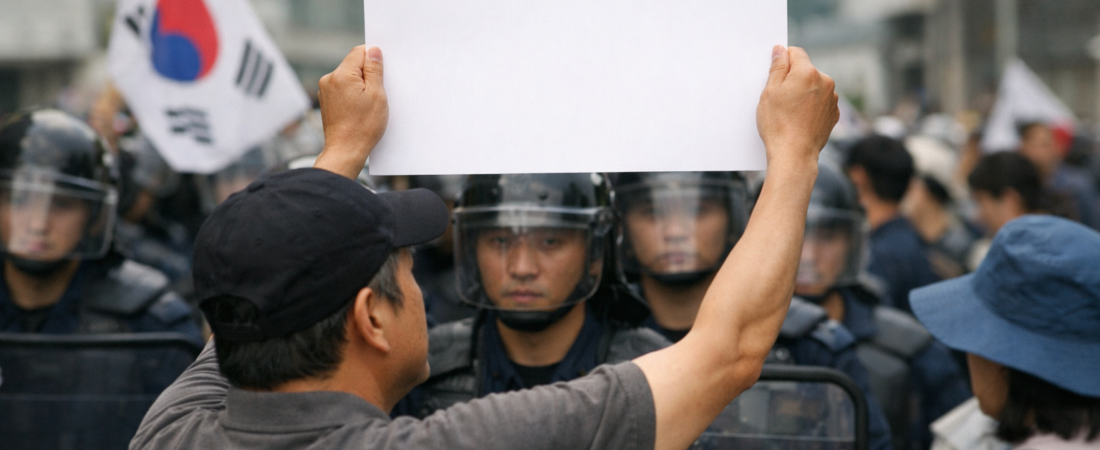
For residents of Seongju, a heavy rain advisory means real changes to daily routines. Local officials often close hiking trails and monitor low-lying roads. Farmers rush to secure greenhouses and drainage systems before water levels rise.
Meanwhile, people in Pohang and the other heat-affected cities keep dealing with a different set of concerns. Outdoor workers need frequent breaks. Schools sometimes adjust outdoor activity schedules to protect students from heat exhaustion.
Living with both heat advisories and heavy rain advisories in the same week takes real adjustment. Koreans have grown fairly good at handling this seasonal whiplash (packing an umbrella and sunscreen in the same bag has become something of a national skill). Still, that skill exists because the pattern itself is far from convenient.
The burden falls hardest on farmers, construction workers, and small business owners who cannot simply wait indoors. That is the honest, harder side of this story. Yet local governments have expanded early-warning text alerts and cooling shelters in recent years, and that kind of steady, practical response gives real reason for hope even as the weather grows less predictable.
Looking Ahead: Korea’s Shifting Late-Summer Weather
Seongju’s heavy rain advisory will likely lift once the rain system passes through. But similar situations may repeat before autumn fully settles in. Weather patterns near the end of Korean summers rarely move in one clean direction.
For readers outside Korea, this story carries a wider lesson. Weather systems worldwide have grown less predictable, and Korea’s current mix of heat and rain reflects that broader trend. Watching how a country like Korea manages these overlapping extremes offers insight into climate adaptation strategies that other regions may soon need too.
So keep an eye on places like Seongju and Pohang over the coming weeks. Their weather advisories tell a bigger story about how quickly conditions can shift, sometimes within the same afternoon. What do you think about how well your own region handles sudden weather extremes like heavy rain and heat arriving together?
AI-Generated Photorealistic Image — All people, scenes, and details in this image are entirely AI-generated and fictional. Not a real photograph of an actual person or event. 이 이미지는 AI로 생성된 가상 이미지입니다.

Leave a Reply