
Table of Contents
Korea’s weather agency issued a heavy rain advisory for Ulleungdo and Dokdo at 6:30 a.m. on August 31. At the same time, a heatwave advisory remained active in eleven areas, including Pohang. Right now, this weather split is grabbing attention across Korea, as one island region braces for downpours while inland cities keep sweating.
Ulleungdo Faces Heavy Rain Right as Heatwave Grips the Mainland
As of this week, Korean weather watchers are focused on a striking contrast. The Korea Meteorological Administration confirmed the heavy rain advisory for Ulleungdo and Dokdo early Monday morning. Meanwhile, Pohang and ten other locations in North Gyeongsang Province stayed under a heatwave advisory.
This is not a small detail for anyone tracking Korean weather patterns. Ulleungdo, a small volcanic island off Korea’s east coast, often sees dramatically different conditions than the mainland. Its isolated location means storm systems can hit it directly while nearby coastal cities bake under high pressure.
Why does this matter beyond the island itself? Ulleungdo is a popular destination for hikers and ferry travelers, and sudden heavy rain can disrupt boat schedules fast. Anyone planning a trip to Ulleungdo this week should check ferry conditions before heading out.
Why Korea Can Have Rain and Heat at the Same Time
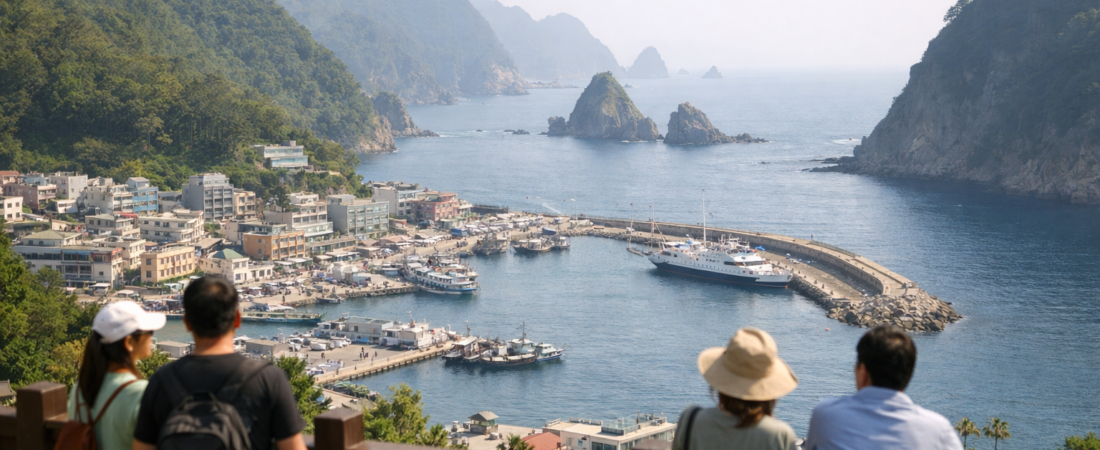
You might wonder how one small country can face rain and extreme heat on the same morning. The answer lies in Korea’s geography and its position between ocean and continent. Ulleungdo sits far out in the East Sea, exposed to different air masses than inland provinces like North Gyeongsang.
Late August in Korea is a transition period. Summer monsoon patterns linger while autumn weather systems start pushing in from the north. This clash often creates the exact kind of split conditions we see this week, heavy rain on Ulleungdo and lingering heat around Pohang.
Think of it like a tug-of-war between two seasons. Neither side wins cleanly, so different regions experience opposite extremes at once. That is exactly what is happening with Ulleungdo’s heavy rain advisory running alongside sustained heatwave warnings elsewhere.
Korea’s Meteorological Administration tracks these shifts closely, and you can find official updates through Yonhap News Agency. Their reporting offers real-time detail on advisories across the country. For travelers and residents alike, checking these updates regularly is a smart habit during this transitional season.
What This Means for Life in Pohang and Beyond
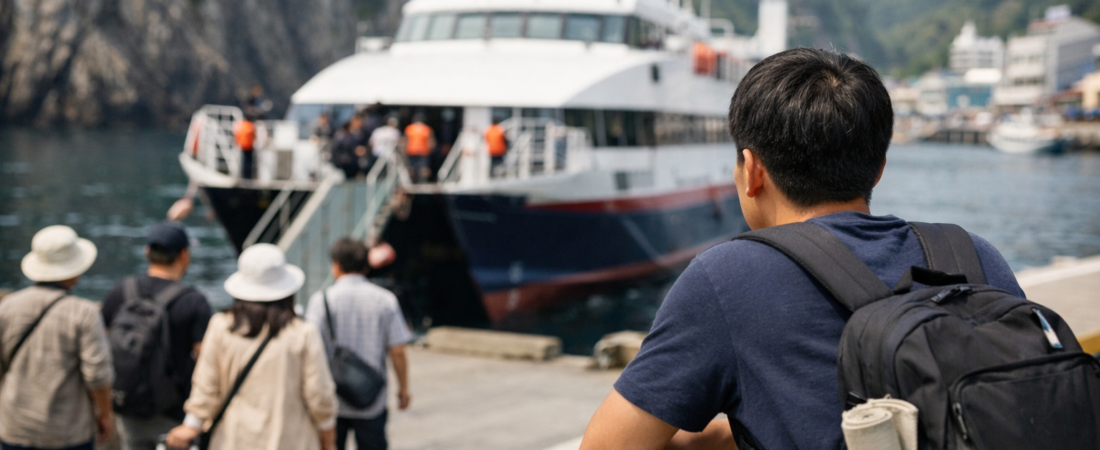
Pohang residents know heatwave advisories well by late summer. This industrial coastal city, home to major steel manufacturing, often records some of Korea’s highest daily temperatures. An extended heatwave advisory means outdoor workers, elderly residents, and children face real health risks.
Local governments respond with cooling centers, adjusted work hours for construction crews, and public health alerts. Is this enough to protect everyone? Not always, and that gap deserves honest attention.
Vulnerable groups, especially elderly residents living alone, remain at higher risk even with these measures in place. At the same time, Korean communities have strengthened neighborhood check-in systems in recent years, with volunteers and local offices reaching out to at-risk households during extreme heat. That kind of grassroots effort shows genuine progress, even if it cannot eliminate every risk.
Meanwhile, on Ulleungdo, heavy rain brings a different set of concerns. Landslide risk increases on the island’s steep terrain, and ferry operators must weigh safety against tourism demand. Local authorities typically issue real-time updates for hikers on popular trails like Seonginbong Peak, since sudden rain can turn dry paths into dangerous mudslides within hours.
Looking Ahead: Korea’s Shifting Late-Summer Weather
Korea’s late-summer weather is becoming harder to predict, and this week’s Ulleungdo rain advisory alongside Pohang’s heatwave proves the point. Climate patterns across East Asia have grown more volatile in recent years, according to multiple meteorological studies. This is not unique to Korea, but it does raise the stakes for local planning.
Should you care about this if you live outside Korea? Actually, yes, because Korea’s weather swings offer a small preview of broader climate trends affecting coastal and island regions worldwide. Watching how Korean authorities balance heatwave protection with flood response gives useful lessons for any country facing similar extremes.
There is something quietly hopeful in how communities adapt to unpredictable weather, even when the systems built to protect people remain imperfect. Warning systems improve, neighbors check on each other, and local governments learn from each event. Yet no advisory can fully erase the vulnerability of an elderly farmer in the heat or a hiker caught in a sudden Ulleungdo downpour, and pretending otherwise would be dishonest.
What feels most true is this balance: real risk paired with real care, imperfect systems paired with genuine community effort. That tension is not a flaw in Korean society; it is simply what resilience looks like in practice. As Korea’s weather continues shifting between extremes, the small, steady acts of preparation and neighborly attention matter as much as any official advisory.
Weather patterns like this Ulleungdo advisory will likely become more common as regional climate variability increases. For global readers, that makes Korea’s response methods worth watching closely. What do you think about how Korea balances heatwave safety with sudden flood risks like the one now affecting Ulleungdo?
AI-Generated Photorealistic Image — All people, scenes, and details in this image are entirely AI-generated and fictional. Not a real photograph of an actual person or event. 이 이미지는 AI로 생성된 가상 이미지입니다.
Leave a Reply