
Table of Contents
The Korea Meteorological Administration lifted its strong wind warning for Heuksando and Hongdo at 6 p.m. on August 31, 2026. The agency cited easing wind risk in the region. Meanwhile, heat wave warnings remain active in five areas of South Jeolla Province, including Gwangyang.
Right now in Korea, the heat wave conversation dominates weather headlines even as wind risks fade in the southwest. As of this week, forecasters are tracking two very different stories at once: calmer seas around Heuksando, but relentless heat inland. Isn’t it strange how one province can face two opposite extremes on the same day?
Strong Wind Warning Lifted for Heuksando
The Korea Meteorological Administration made the announcement official on August 31. Heuksando and Hongdo, two remote islands off the southwestern coast, had been under a strong wind advisory. That advisory ended precisely at 6 p.m., giving residents and fishing crews a clear signal.
Why does this matter so much for island communities? Strong wind advisories affect ferry schedules, fishing operations, and even school closures on small islands like these. When the warning lifts, daily life can slowly return to normal rhythm.
The agency’s statement was brief but direct. Wind risk had eased enough to justify lifting the advisory without further conditions attached. For islanders who depend on stable sea routes, this kind of announcement carries real weight beyond just a weather report.
Why Heuksando and Hongdo Matter to Korea’s Weather Map
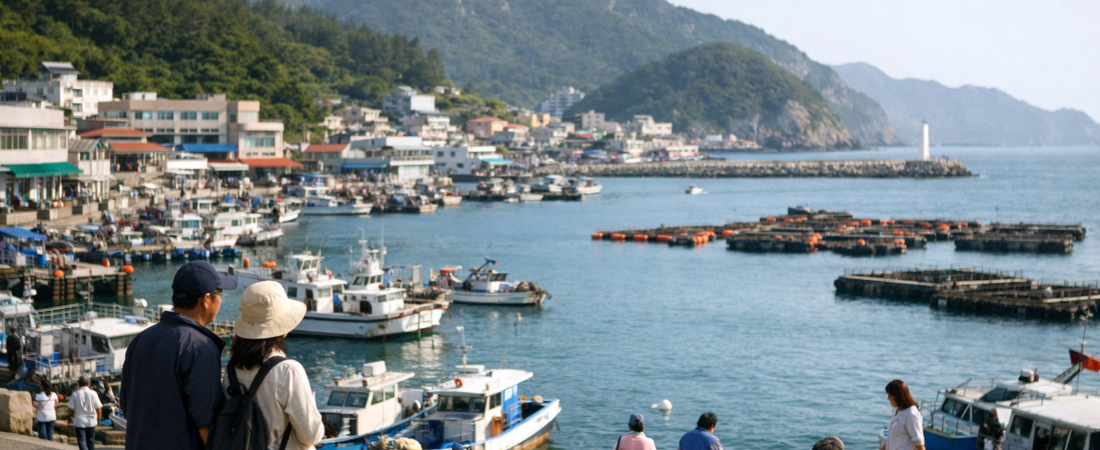
Heuksando sits far off the coast of South Jeolla Province, closer to open ocean than most Korean landmarks. Hongdo, its smaller neighbor, is famous for dramatic sea cliffs and rare rock formations. Both islands sit right in the path of shifting wind patterns moving across the Yellow Sea.
Because of their exposed location, Heuksando and Hongdo often see wind advisories before mainland areas do. Think of these islands as an early warning post for the entire southwestern coastline. Fishermen and ferry operators watch alerts here more closely than almost anyone else in the country.
Korea’s coastal geography creates this pattern again and again. Remote islands catch weather shifts first, mainland cities feel them later. That’s part of why the Korea Meteorological Administration tracks Heuksando so carefully every season.
Tourism adds another layer to the story. Hongdo draws hikers and photographers chasing its famous sunset views, and a strong wind advisory can cancel ferry access overnight. (Yes, entire tour groups have been stranded on the mainland waiting for exactly this kind of announcement to lift.) For visitors planning a trip, checking advisories for Heuksando and Hongdo isn’t optional — it’s essential.
Heat Wave Warnings Still Grip Five Areas in South Jeolla
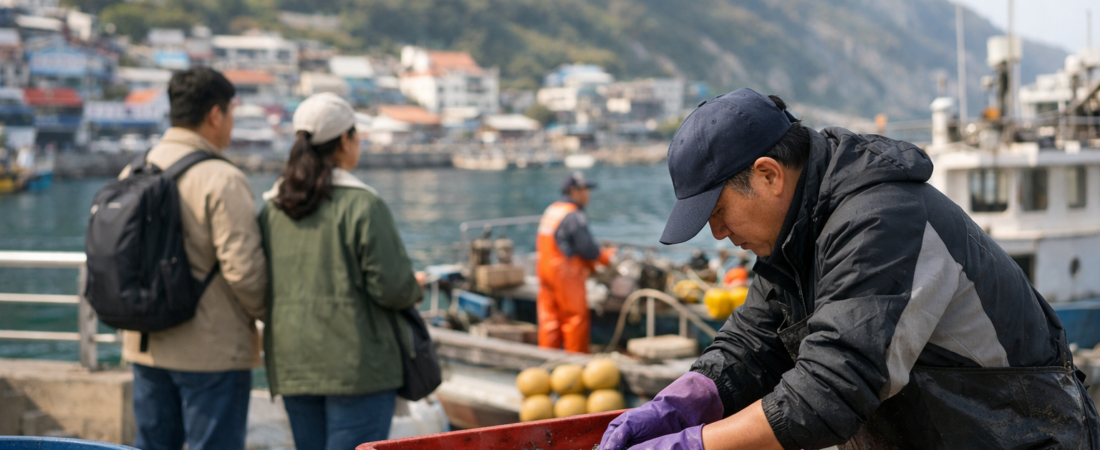
While wind risk eased near Heuksando, heat has not loosened its grip on inland South Jeolla. Gwangyang and four other locations remain under active heat wave warnings as of August 31. This contrast shows how varied Korea’s late-summer weather can be within a single province.
Why does one province face two opposite alerts at the same time? Coastal islands like Heuksando cool faster thanks to sea breezes, while inland industrial cities like Gwangyang trap heat longer. Urban heat retention, combined with limited airflow, keeps temperatures dangerously high well into the evening.
Heat wave warnings in Korea aren’t just inconvenient labels. They trigger real public health responses — outdoor labor restrictions, cooling shelter openings, and public advisories for elderly residents. For readers following Yonhap News coverage, this pattern reflects a broader trend across South Korea’s late-August heat.
Late August is traditionally when Korea should be cooling toward autumn. Instead, climate shifts have pushed heat wave season later each year, according to multiple meteorological reports. Gwangyang’s continued warning status is one small but telling piece of that larger pattern.
What This Weather Pattern Means for You
You might wonder why weather updates from small Korean islands matter if you live thousands of miles away. Here’s the honest answer: they don’t just tell a local story, they reveal something bigger about how climate patterns are shifting worldwide. Heuksando’s calming winds alongside Gwangyang’s stubborn heat mirror a tension many countries now face — regional weather extremes happening closer together, not further apart.
There’s a harder truth buried in this small news item too. Warning systems can lift an advisory the moment risk eases, but they can’t undo the deeper pattern of longer, more frequent heat waves stretching later into the calendar each year. That’s a real strain on farmers, outdoor workers, and elderly residents who bear the heaviest cost of prolonged heat.
Yet there is real reason for steady hope here, not despair. Korea’s meteorological monitoring around places like Heuksando has grown sharper and faster over the past decade, giving communities more lead time to prepare rather than react. Local governments in South Jeolla have also expanded cooling shelters and outdoor work restrictions, showing that adaptation, however imperfect, is actively happening on the ground.
So what should you take from this small weather update out of South Korea? Watch how quickly conditions can flip from island calm to inland heat within the same province, because that volatility is becoming the new normal almost everywhere. What do you think — is your own region seeing this same kind of weather whiplash this year?
AI-Generated Photorealistic Image — All people, scenes, and details in this image are entirely AI-generated and fictional. Not a real photograph of an actual person or event. 이 이미지는 AI로 생성된 가상 이미지입니다.

Leave a Reply