
Table of Contents
South Korea’s weather agency lifted the strong wind advisory for Heuksando and Hongdo at 6 p.m. on August 31, 2026. At the same time, heat wave warnings stayed in place across five areas of South Jeolla Province, including Gwangyang. The two announcements together paint a clear picture of Korea’s tricky late-summer weather pattern.
Why would wind ease on remote islands while heat keeps baking the mainland just miles away? That question sits at the heart of today’s Korea Meteorological Administration update.
Let’s break down what actually happened, why it happened, and what it means for anyone tracking conditions around Heuksando this week.
Wind Advisory Lifted for Heuksando and Hongdo
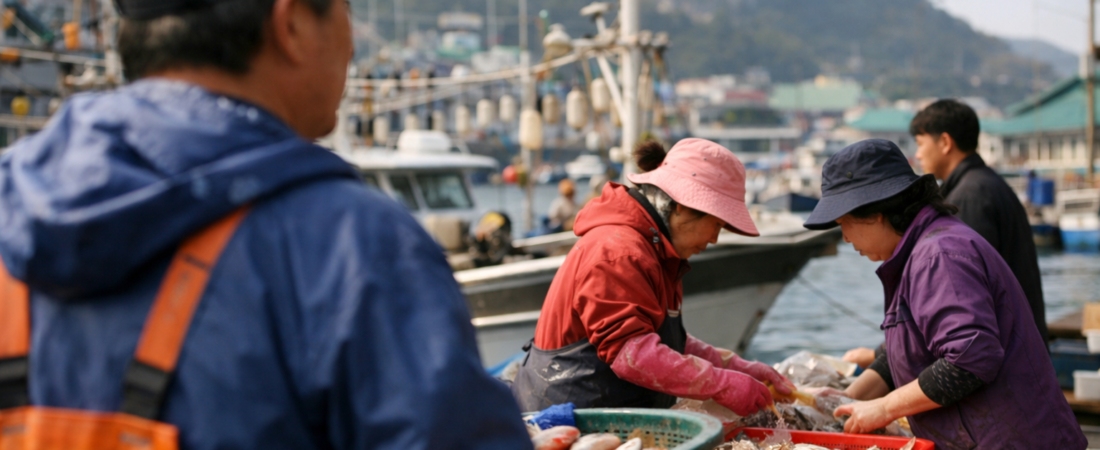
The Korea Meteorological Administration confirmed the strong wind advisory for Heuksando and Hongdo ended on August 31 at 6 p.m. Both are small islands off the southwestern coast, part of Sinan County in South Jeolla Province. They sit far out in the open sea, which makes them especially sensitive to wind shifts.
Heuksando, sometimes called “Black Mountain Island” in English translation, has long been known for dramatic weather swings. Its exposed position means ferries often get canceled during wind advisories, stranding travelers for days. If you’ve ever tried to visit a Korean island only to watch your ferry ticket get refunded, you know the frustration firsthand.
This time, conditions calmed enough for officials to remove the advisory entirely. That’s good news for fishing boats, ferry operators, and island residents who depend on stable sea conditions. Heuksando itself remains a quiet fixture in Korean geography, but its weather rarely stays quiet for long.
Why Heat Warnings Still Grip South Jeolla
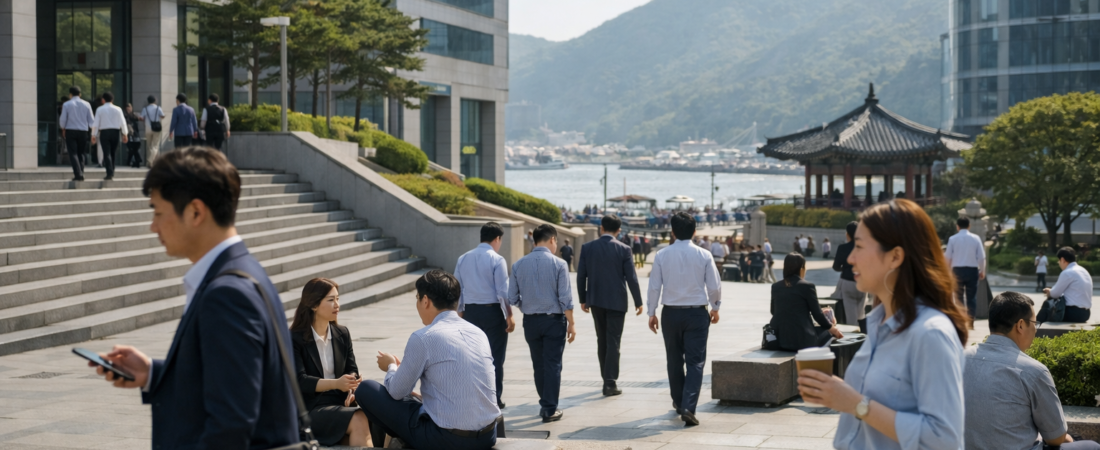
Even as wind concerns eased near Heuksando, heat wave warnings held firm across five locations in South Jeolla, including the industrial city of Gwangyang. That’s not a coincidence. Coastal islands often cool faster than inland or low-lying areas, thanks to sea breezes that mainland regions simply don’t get.
Gwangyang sits in a river basin near major steel and petrochemical plants, an environment that traps heat efficiently. Combine that geography with late-summer humidity, and you get the kind of stubborn heat wave that refuses to let go even as other weather threats fade. This split outcome—wind gone, heat staying—shows how localized Korean weather warnings really are.
The Korea Meteorological Administration doesn’t issue blanket warnings for the whole country. Instead, it tracks dozens of micro-regions separately, adjusting advisories almost hourly. For readers unfamiliar with Korea’s summer, imagine New Orleans humidity meeting Arizona sun, then add a mountain valley that holds the heat in overnight.
Understanding Korea’s Layered Weather Warning System
Korea’s weather warning system moves through clear tiers. Advisories come first, followed by watches, and then warnings for the most severe conditions. This structure helps residents and travelers gauge risk quickly, without needing to read a full forecast report.
A strong wind advisory, like the one just lifted for Heuksando, typically applies when sustained winds threaten small boats, outdoor structures, or ferry schedules. Heat wave warnings, on the other hand, activate when daytime highs and overnight lows both stay dangerously elevated for multiple days. The five affected South Jeolla locations met that threshold well before August 31, and nothing about the wind advisory’s removal changed their heat status.
This dual-track system reflects a broader truth about Korean geography. Mountains, coastlines, river basins, and island clusters all behave differently under the same broad weather pattern. You can check conditions through the Yonhap News Agency for real-time regional breakdowns, since national averages rarely tell the full story.
Climate patterns across East Asia have grown more erratic in recent years, and Korea is no exception. Summers now regularly produce this exact scenario—one hazard clearing while another persists nearby. Meteorologists expect this pattern to continue as ocean temperatures around the Korean peninsula keep shifting.
What This Means for Travelers and Residents
If you’re planning a trip to Heuksando or Hongdo soon, the lifted wind advisory is genuinely good news. Ferries should resume normal schedules, and outdoor activities on the islands face fewer restrictions. Still, always check current conditions before departure, since island weather can shift within hours.
For anyone in Gwangyang or the other four South Jeolla areas under heat warning, the advice looks different. Stay hydrated, limit outdoor work during peak afternoon hours, and check on elderly neighbors who face higher heat risk. Korea’s public health system has expanded heat shelters in recent summers, but community vigilance still matters most.
There’s something almost poetic about this moment—calm returning to the sea while heat still presses down on the land. It reminds us that resilience doesn’t mean everything gets fixed at once; it means adapting as each piece of the picture shifts. Korean coastal communities have weathered typhoons, cold snaps, and heat waves for generations, building both infrastructure and quiet endurance along the way.
That endurance carries real strength, but it also carries strain that doesn’t always show on the surface. A fisherman relieved by calmer winds might still worry about crop losses inland from prolonged heat, and a family in Gwangyang enduring another warning day may feel forgotten once headlines move to the next storm. Progress here looks less like a single victory and more like steady, unglamorous adjustment—better cooling centers, smarter warning systems, neighbors checking on neighbors.
Looking ahead, expect more of these split outcomes as Korea’s climate continues shifting. Weather near Heuksando may stabilize while other regions face fresh challenges, and that pattern will likely repeat through the rest of this decade. What do you think about Korea’s region-by-region approach to weather warnings—does it match how your own country handles overlapping natural hazards?
AI-Generated Photorealistic Image — All people, scenes, and details in this image are entirely AI-generated and fictional. Not a real photograph of an actual person or event. 이 이미지는 AI로 생성된 가상 이미지입니다.

Leave a Reply