Table of Contents
The Korea Meteorological Administration issued a heat wave advisory for Namwon and Jangsu in Jeollabuk-do, effective 11 a.m. on August 31. This step responds to rising daytime highs and growing risk of heat-related illness. Right now, as summer stretches later into the calendar, this kind of advisory is becoming a familiar late-August headline across Korea.
Have you ever wondered why a heat wave advisory feels different from just a hot day outside? In Korea, these advisories carry real weight. They signal that your body, your work schedule, and your daily plans might need to change.
Heat Wave Advisory Hits Jeollabuk-do Right Now
As of this week, Korean weather watchers are tracking a fresh heat wave advisory for two inland cities. The Korea Meteorological Administration confirmed the advisory for Namwon and Jangsu starts at 11 a.m. on August 31, 2026. That timing matters, because late-August heat often catches people off guard.
Summer is supposed to be winding down by now, right? Yet this heat wave advisory shows that Korea’s climate calendar does not always follow tradition.
Local officials are urging residents to limit outdoor activity during peak afternoon hours. This is not a vague suggestion. It is a direct response to real danger building in the air.
What a Heat Wave Advisory Actually Means
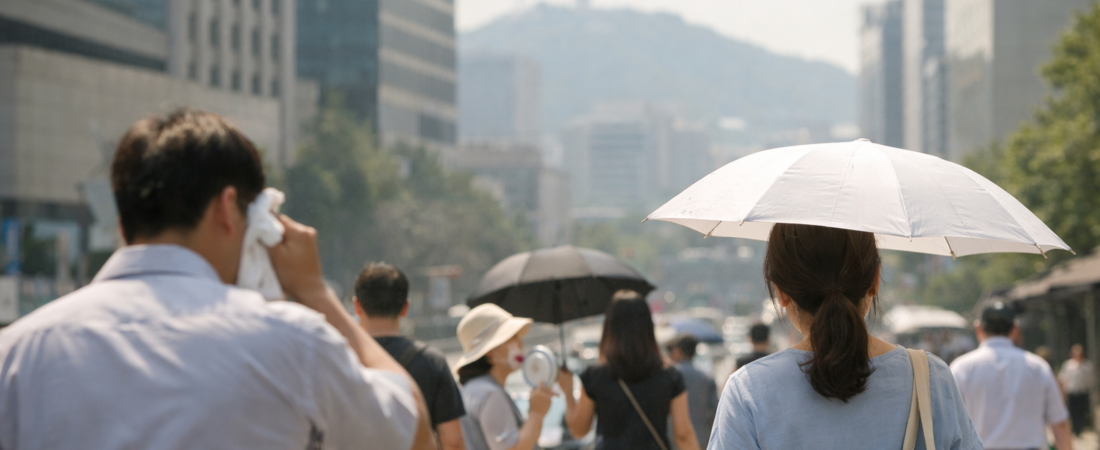
A heat wave advisory in Korea is issued when daytime highs are expected to reach or exceed certain thresholds for a sustained period. It sits below the more severe heat wave warning, but do not let that lower tier fool you. A heat wave advisory still signals genuine risk to vulnerable groups.
Farmers, construction workers, and elderly residents face the highest exposure. Their daily routines often require time outdoors precisely when temperatures peak. This is why the Korea Meteorological Administration moves quickly once conditions cross the line.
You might ask, why does one advisory cover two specific towns instead of the whole province? Korea’s weather agency issues these alerts by micro-region, because temperature and humidity vary sharply even within a single province. Namwon and Jangsu sit in mountainous terrain, and that geography shapes how heat builds and lingers.
For readers wanting the technical criteria behind these thresholds, the Korea Meteorological Administration publishes regular updates on its advisory system. Following that kind of primary source helps you understand how forecasters distinguish an advisory from a full warning.
Why Namwon and Jangsu Feel the Heat Differently
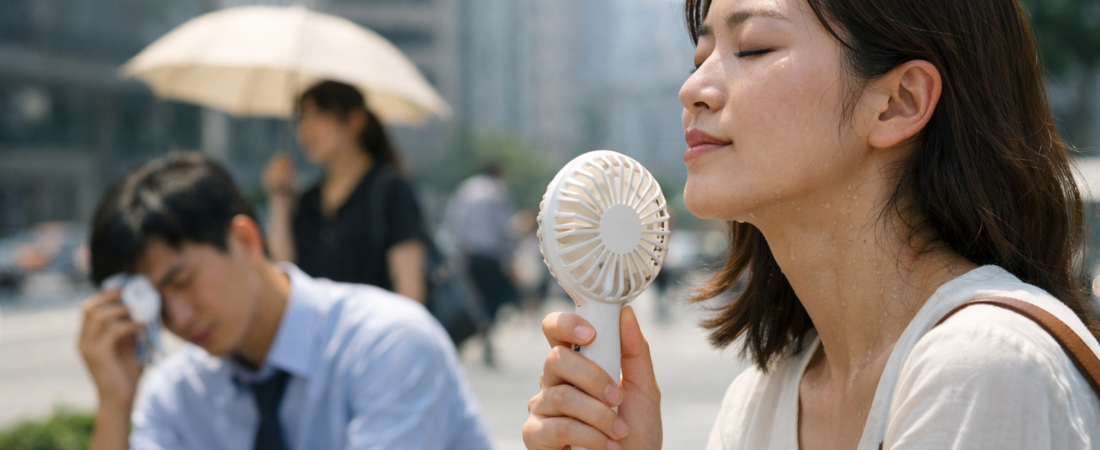
Namwon and Jangsu are both located in the eastern part of Jeollabuk-do, an inland region known for basin-like terrain. That geography traps hot air during the day and slows nighttime cooling. This combination is exactly what triggers a heat wave advisory in this part of the country.
Coastal cities often get a break from sea breezes. Inland towns like these two do not get that same relief. So when a heat wave advisory arrives here, it tends to stick around longer than in coastal areas.
Jangsu, in particular, sits at higher elevation and usually enjoys cooler nights than most of Korea. When even Jangsu needs a heat wave advisory, that tells you something about how intense this particular heat event really is. It is a small sign with a big message about shifting weather patterns.
Local agriculture depends heavily on stable temperatures, and sudden heat spikes can stress crops just before harvest season. Farmers in Namwon, known for its pear orchards, watch these advisories closely (imagine checking the forecast the way city dwellers check subway delays). A single heat wave advisory can shape decisions about irrigation timing and harvest schedules.
Protecting Yourself and Understanding Korea’s Heat Culture
If you live in or plan to visit Namwon or Jangsu this week, take the heat wave advisory seriously. Drink water often, even before you feel thirsty. Avoid strenuous outdoor work between noon and 5 p.m., when temperatures typically peak.
Korean communities have long histories of adapting to seasonal extremes, from cooling foods like naengmyeon to shaded rest areas built into rural villages. That inherited wisdom still matters today, but it has limits. Traditional coping habits were shaped for a climate that did not include this many consecutive heat wave advisories each summer, and that gap deserves honest attention.
Here is the harder truth worth sitting with. Rising heat wave advisory frequency across rural Korea reflects a changing climate that strains both infrastructure and community habits built for milder decades. At the same time, local governments are responding with cooling shelters, water stations, and targeted outreach to elderly residents living alone, showing that adaptation is already underway rather than just being discussed.
That mix of strain and response feels very human. Communities rarely solve big problems perfectly on the first try, and rural areas often carry fewer resources than big cities do. Yet the willingness to act, town by town, advisory by advisory, is its own quiet form of resilience worth noticing.
Global readers might wonder why a heat wave advisory in two small Korean towns deserves their attention. The answer is simple: these localized alerts are early signals of broader climate shifts affecting agriculture, public health, and rural life everywhere, not just in Korea. What do you think about how your own region handles heat wave advisories or similar extreme weather alerts?
AI-Generated Photorealistic Image — All people, scenes, and details in this image are entirely AI-generated and fictional. Not a real photograph of an actual person or event. 이 이미지는 AI로 생성된 가상 이미지입니다.
Leave a Reply