Table of Contents
A finalist candidate for the top job at Changwon Cultural Foundation withdrew from the process after questions about family ties and personal connections became too heavy to carry. The foundation, run under Changwon City in South Gyeongsang Province, must now restart part of its leadership search. This case offers a clear window into how public cultural institutions in Korea choose their leaders, and why trust matters more than credentials alone.
You might wonder why a family connection would matter so much for a cultural foundation job. That question sits at the heart of how Korean public institutions think about integrity today.
Understanding the Changwon Cultural Foundation Leadership Process
Changwon Cultural Foundation is a public organization under Changwon City government. It manages local arts programs, cultural venues, and public events across the city.
Like most public foundations in Korea, Changwon Cultural Foundation follows a formal selection process for its chief executive. A recruitment committee reviews applications, interviews finalists, and recommends a final candidate to city leadership for appointment.
This process usually takes weeks or months. It includes background checks, public disclosure requirements, and sometimes media scrutiny of the winning candidate.
In this recent case, the finalist candidate reached the last stage of appointment at Changwon Cultural Foundation. Then controversy over family relationships and personal ties surfaced, and the candidate chose to step back rather than proceed. That single decision now forces the foundation to rethink its next steps.
Why Family Ties Can Sink a Candidacy in Korea
Korea places heavy weight on the appearance of fairness in public appointments. Even if no rule was technically broken, a perceived conflict of interest can end a career opportunity overnight.
Why does this happen so often here? Korean society has a long tradition of valuing transparent, merit-based public service, partly as a reaction to decades of nepotism concerns in government and business.
Family or personal connections tied to a candidate’s professional network can raise doubts about impartial decision-making, even without evidence of wrongdoing. This is especially sensitive for organizations funded by taxpayer money.
A cultural foundation is a public trust. Its leader manages public funds, contracts with artists, and represents the city’s cultural image, so appointment standards stay strict.
Is this level of scrutiny fair to individual candidates? That is a real tension worth sitting with, and it connects to something bigger than one appointment.
Korean public life often demands near-total transparency from people stepping into leadership, and that standard can feel unforgiving to any single person caught in it. At the same time, this same demand for accountability has pushed many public institutions toward clearer disclosure rules and more careful vetting over the past decade. The honest answer is that both things are true at once: the pressure can be harsh on individuals, yet it has also made public appointments in Korea more resistant to quiet favoritism than they were a generation ago.
How Public Foundations Like Changwon Cultural Foundation Vet Leaders

Public cultural foundations across Korea generally follow a similar vetting model. Understanding these steps helps explain why one controversy can end a candidacy so quickly.
- Open recruitment announcement: The foundation posts the position publicly, often through official city channels.
- Document screening: A committee reviews resumes, career history, and qualifications.
- Interview rounds: Finalists present vision statements and answer questions from an appointed panel.
- Background and disclosure review: Personal history, past employment, and potential conflicts of interest get examined.
- Final recommendation and appointment: The city or governing body confirms the top candidate.
Changwon Cultural Foundation follows this same structure, as do sister institutions in other Korean cities. If you plan to research or follow Korean public cultural appointments, this framework is worth remembering as a starting point.
Interestingly, Korean media outlets often play a watchdog role during this final stage. Reporters and local citizens sometimes raise questions before an appointment is finalized, not after. You can follow ongoing coverage of cases like this through outlets such as Yonhap News Agency, which regularly reports on regional government and public institution news.
This kind of scrutiny can feel intense to outside observers. But it reflects something practical: public money and public trust move together in Korea’s cultural sector, and neither is treated lightly.
What This Means for the Future of Public Arts Leadership
So where does Changwon Cultural Foundation go from here? The city will likely reopen part of the search, review its remaining finalists, or restart recruitment entirely.
This kind of restart is not unusual. Public institutions across Korea have faced similar delays when a top candidate withdraws, and most recover within a few months through a revised search process.
For readers outside Korea, this story offers a useful lesson about how public accountability works here. Korean institutions tend to prioritize the appearance of clean process almost as strongly as actual performance, and that priority shapes decisions at every level.
Does that make the system slower sometimes? Yes, and delays like this one at Changwon Cultural Foundation are a real cost of high transparency standards.
But slower is not always worse. A foundation that pauses to protect public trust is choosing long-term credibility over short-term convenience, and that trade-off tends to serve cultural institutions well over time.
As Changwon Cultural Foundation searches for its next leader, the bigger story is really about how public institutions everywhere balance speed with integrity. What do you think matters more when choosing a public leader: swift appointment or airtight scrutiny of personal ties?
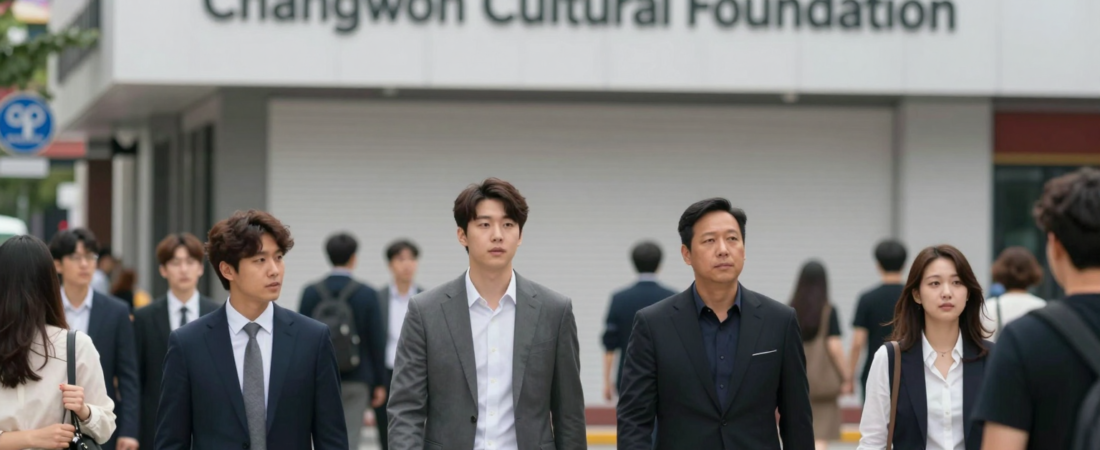
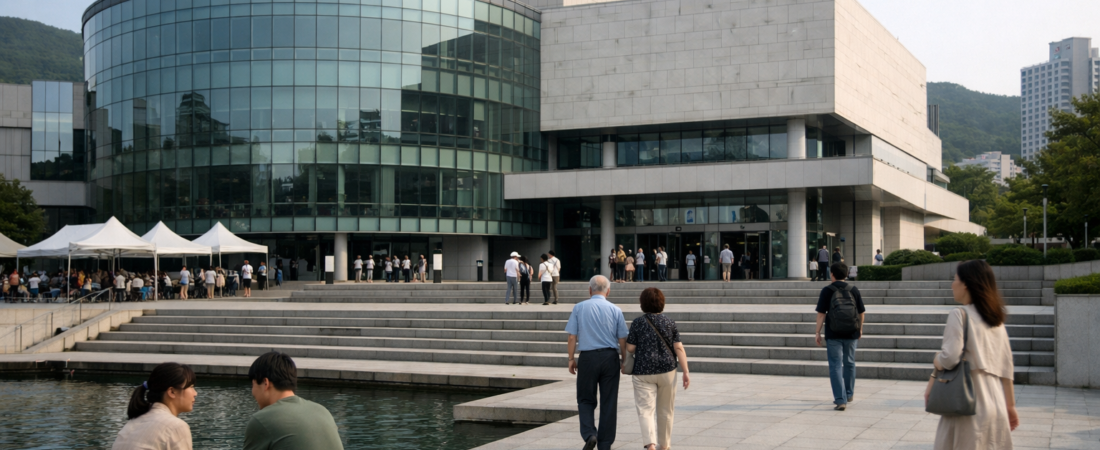
AI-Generated Photorealistic Image — All people, scenes, and details in this image are entirely AI-generated and fictional. Not a real photograph of an actual person or event. 이 이미지는 AI로 생성된 가상 이미지입니다.
Leave a Reply