Table of Contents
Korea’s weather agency lifted the strong wind warning for Heuksando and Hongdo at 6 p.m. on August 31. The move came after winds weakened around the two southwestern islands. Meanwhile, heatwave warnings stayed active in five spots across South Jeolla Province, including Gwangyang.
Right now, this kind of split-screen weather is everywhere in Korea’s late summer. Strong coastal winds calm down in one region, while inland heat refuses to let go somewhere else. Does that sound strange to you? It actually makes perfect sense once you understand Korea’s geography.
Strong Wind Warning Lifted for Heuksando
The Korea Meteorological Administration confirmed the wind advisory for Heuksando and Hongdo ended Monday evening. Both islands sit off the coast of Sinan County in South Jeolla Province. They are known for dramatic cliffs, small fishing villages, and ferries that sometimes cannot leave port for days.
Strong wind warnings matter a lot on Heuksando. Ferries are the only way in or out for most residents and visitors. When winds pick up, boats stay docked, deliveries stall, and daily life simply pauses.
So when officials lift a warning like this, it is not just a weather footnote. It signals that ferry schedules can return to normal. Fishing boats can head back out, and island life can breathe again.
For anyone tracking conditions around Heuksando, this kind of quick reversal is common in late August. Wind systems near the Korean peninsula shift fast this time of year. One day brings gusts strong enough to ground ferries, and the next day brings calm seas again.
Why South Jeolla Weather Swings So Fast
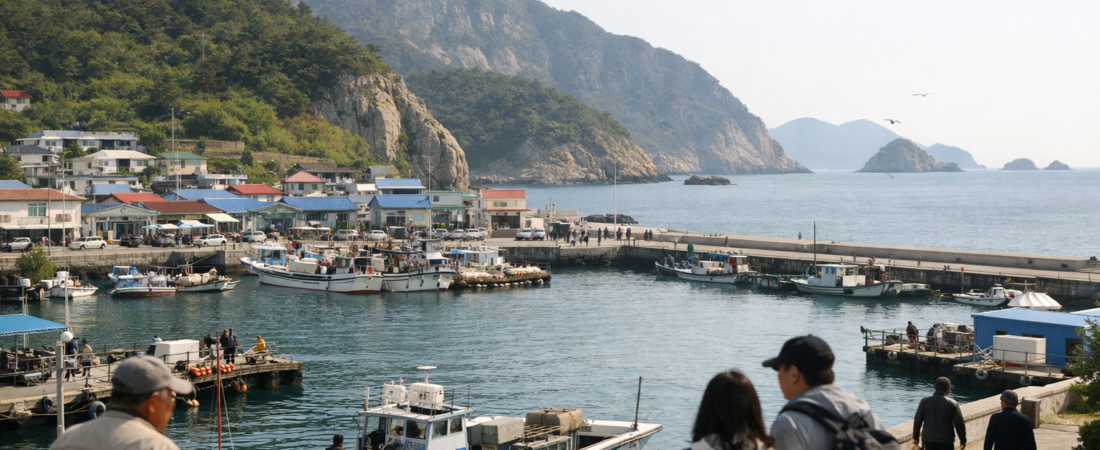
South Jeolla Province sits at a geographic crossroads. It faces the open sea to the west and south, while mountains rise inland. That mix creates sharp contrasts between coastal wind patterns and inland heat.
Heuksando and Hongdo are exposed to open ocean air. That makes them sensitive to passing weather systems, pressure changes, and typhoon remnants drifting through the region. Wind warnings there tend to rise and fall quickly.
Inland areas like Gwangyang behave very differently. Surrounded by hills and industrial development, they trap heat close to the ground. Have you ever noticed how a valley town feels hotter than a nearby coast? That is exactly what happens here.
Korean weather forecasters track these microclimates carefully every summer. It is one reason warnings can differ so much between locations just a hundred kilometers apart. One town lifts a warning while another stays under alert, and both forecasts are correct at the same time.
Five Cities Still Under Heatwave Alert
Even as wind concerns eased around Heuksando, heat concerns did not. Five locations in South Jeolla Province, including Gwangyang, remained under heatwave warnings as of Monday evening. That means temperatures were expected to stay dangerously high, likely above 33 degrees Celsius for extended periods.
Heatwave warnings in Korea are not issued lightly. They typically require sustained high temperatures over multiple days, not just a single hot afternoon. Gwangyang, an industrial city known for steel production, tends to run hotter than its coastal neighbors because of urban heat retention.
Why does this matter beyond South Jeolla? Late-summer heatwaves have become more frequent across Korea in recent years, and public health officials now treat them as serious weather emergencies. Outdoor workers, older residents, and children face real risk when heat lingers this long into the season.
You can check live conditions and official alerts through the Korea Meteorological Administration, which updates warnings for regions like Heuksando and Gwangyang throughout the day. That transparency helps both residents and travelers plan around sudden shifts. It also shows how seriously Korea treats late-summer heat as a public safety issue, not just an inconvenience.
What This Means for Life on Korea’s Islands
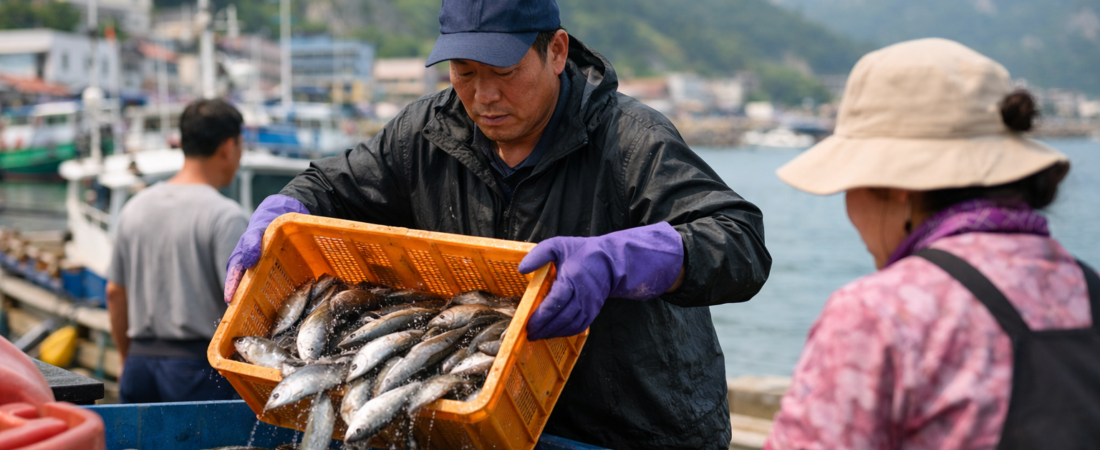
Places like Heuksando remind us how tightly small communities depend on the weather. A lifted wind warning is not a minor update there. It decides whether a fisherman goes to sea, whether a ferry runs, and whether an elderly resident can reach a mainland hospital.
There is something honest worth naming here. Rural island life in Korea has grown quieter as younger residents move to cities, leaving fewer hands to manage boats, farms, and daily emergencies when weather turns rough.
Yet that same isolation has pushed island communities like Heuksando to build tighter support networks, from shared ferry schedules to community weather alerts passed neighbor to neighbor. The dependence cuts both ways: it exposes real vulnerability, but it also produces a kind of practical solidarity rarely seen in larger cities. That balance, fragile and resourceful at once, is part of what makes island life in Korea both harder and more connected than most outsiders assume.
Weather patterns around Heuksando will keep shifting fast through early autumn, and heatwave risks in inland South Jeolla are unlikely to disappear overnight. Korea’s forecasting system, though imperfect, keeps adapting to these fast-moving regional differences. What do you think it would take for coastal communities like Heuksando to handle these sudden weather swings even better?
AI-Generated Photorealistic Image — All people, scenes, and details in this image are entirely AI-generated and fictional. Not a real photograph of an actual person or event. 이 이미지는 AI로 생성된 가상 이미지입니다.

Leave a Reply