
Table of Contents
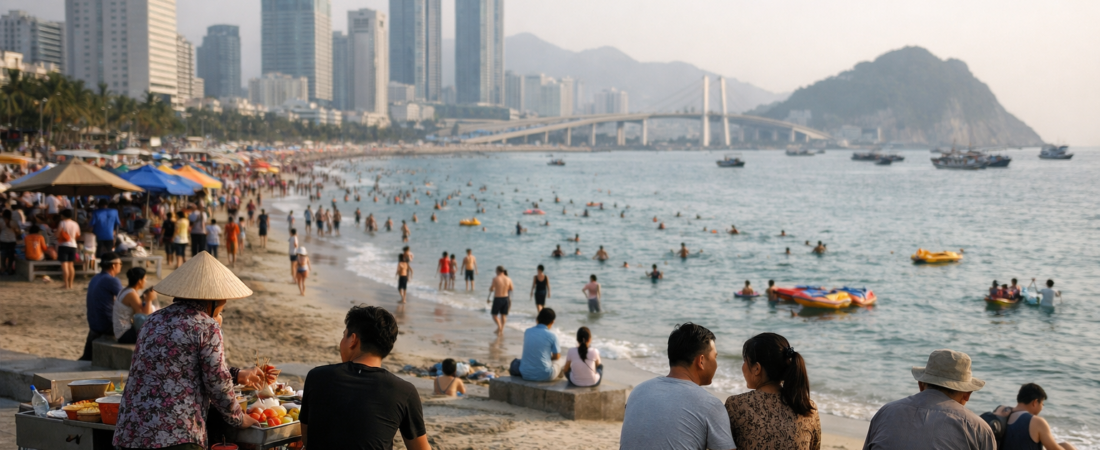
A tugboat capsized in Busan Ap-bada (Busan’s coastal waters) on September 2, 2026, and rescuers pulled one Indonesian crew member from the water alive. He told reporters he was cooking in the ship’s galley when the vessel suddenly rolled, forcing him to bolt outside to survive.
Fishing boats and tugboats crisscross the waters near Busan every single day. Most trips end without incident, so news like this stops you in your tracks, doesn’t it?
This accident in Busan Ap-bada raises real questions about safety on smaller commercial vessels working Korea’s busiest port city. Let’s look at what we know so far, and what it might mean going forward.
What Happened Off Busan’s Coast
The incident occurred on Wednesday when the tugboat overturned somewhere in Busan Ap-bada, according to Yonhap News Agency. Emergency crews responded quickly once the capsizing was reported.
One Indonesian national aboard the vessel was rescued and is now safe. Details about other crew members, the total number aboard, and the exact cause remain under investigation by maritime authorities.
Tugboats are workhorses of any port city. They guide massive cargo ships into harbor, tow disabled vessels, and handle jobs too delicate for larger ships to manage alone.
Busan, as Korea’s largest port, depends on a steady fleet of these smaller boats. That dependency means any accident in Busan Ap-bada draws immediate attention from both officials and the public.
Investigators will need to examine weather conditions, cargo balance, and the tugboat’s mechanical history. Was this a freak wave, a structural failure, or something else entirely? We simply don’t have enough facts yet to say for certain.
A Survivor’s Account: Fear in the Ship’s Kitchen
The rescued sailor described a terrifying, sudden shift. He said he was cooking in the ship’s dining area, a routine task on any long shift, when the boat began tilting without warning.
He rushed outside instinctively, he told reporters, and that split-second decision may have saved his life. He also said his whole body was shaking afterward from the shock of the experience.
Think about that for a moment. One minute you’re preparing a meal, and the next you’re fighting to escape a sinking vessel in Busan Ap-bada.
That kind of whiplash between normal life and sudden danger is hard to imagine unless you’ve lived it. His account gives us a rare, human window into how fast maritime accidents unfold.
There’s often no siren, no warning bell, just a shift in the floor beneath your feet. Survivors of capsizing accidents around the world describe nearly identical moments: confusion first, then pure instinct.
That instinct, in this case, meant the difference between rescue and tragedy.
Why Tugboats Off Busan Carry Hidden Risks
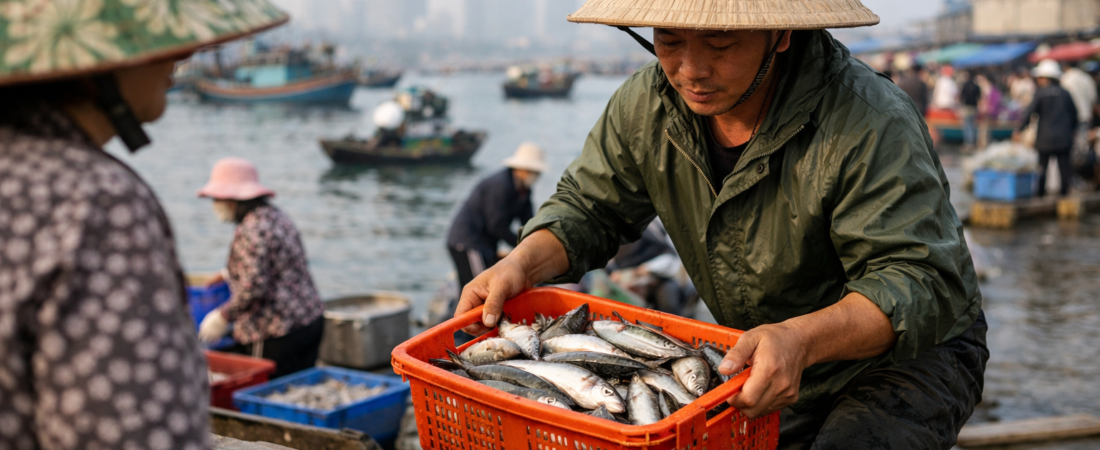
Tugboats look sturdy, but their design actually makes them vulnerable in specific conditions. They’re built low and wide for towing power, not necessarily for riding out rough seas.
That combination can make them prone to capsizing if cargo lines snap tension unevenly or if a tow rope suddenly goes slack. Maritime safety experts have long flagged this exact risk in busy harbor zones like Busan Ap-bada.
You might assume that working close to shore means working somewhere safer. But coastal waters near a major port often see heavier traffic, stronger currents from shipping channels, and unpredictable wake patterns from massive container vessels.
Busan Ap-bada handles enormous volumes of shipping traffic every year, ranking among the busiest port waters in Northeast Asia. That congestion, ironically, can make smaller boats more vulnerable, not less.
According to Yonhap News Agency, investigators are still piecing together the exact sequence of events. Until they finish, we should be careful not to jump to conclusions about blame or cause.
What This Means for Migrant Workers at Sea
This accident also puts a spotlight on something easy to overlook: migrant crew members keep much of Korea’s maritime industry running. Indonesian, Vietnamese, and Filipino sailors fill critical roles on fishing boats and tugboats across Korean waters.
Their labor is essential, yet their working conditions don’t always get the same scrutiny as those of Korean nationals. Isn’t it worth asking why that gap exists in the first place?
Korea’s fishing and shipping industries have faced real criticism over the years for uneven safety standards and inconsistent oversight for foreign crew. That criticism is fair, and it shouldn’t be softened just because progress has been made in other areas.
At the same time, change is happening. Korean maritime authorities have expanded language-support training, tightened vessel inspection rules in some regions, and rescue teams responded to this very accident within hours, saving a life that could easily have been lost.
Human systems are never perfect, and the sea has never made exceptions for good intentions. But every rescue like this one is a reminder that when people show up quickly and do their jobs well, tragedy can still be interrupted before it becomes something worse.
The investigation into this capsizing in Busan Ap-bada is far from over. Authorities still need to determine whether mechanical failure, human error, or unpredictable sea conditions played the biggest role.
What we do know is that one man’s quick reaction, and a fast rescue response, turned a potential tragedy into a survival story. What more should Korea do to protect migrant workers who keep its ports and fishing fleets running every day?
AI-Generated Photorealistic Image — All people, scenes, and details in this image are entirely AI-generated and fictional. Not a real photograph of an actual person or event. 이 이미지는 AI로 생성된 가상 이미지입니다.


Leave a Reply