
Table of Contents
Korea’s 2026 remake of The Intern casts Han So-hee as a young CEO and Choi Min-sik as her senior intern, reworking the 2015 Hollywood original for today’s Korea. Director Kim Do-young added AI themes and new slang to reflect current Korean workplace culture. The film keeps the plot but shifts its ending toward personal growth rather than simple mentorship.
Why remake a beloved film at all, especially one so many people already love? That question sits at the heart of this new intern story.
Comparisons to the original are, as director Kim Do-young put it, “unavoidable.” But this Korean intern isn’t just a copy with subtitles.
Korea’s New Take on The Intern (2026)
The original 2015 film starred Anne Hathaway as a fast-growing startup founder and Robert De Niro as her 70-year-old intern. It became a global favorite for its warmth and gentle humor. Now, Korea has its own version, and the casting alone signals a shift in tone.
Han So-hee plays Sun-woo, a driven young CEO navigating the pressures of leading a company. Choi Min-sik plays Gi-ho, the older intern who becomes her quiet source of support. Together, they explore what it means to lead, and what it means to be led, in a workplace that looks nothing like it did a decade ago.
Director Kim Do-young has been open about the challenge of remaking a well-loved story. Comparison, he says, is simply the fate of any remake worth making. Rather than avoid it, he leaned into reshaping the story for a Korean audience living through very different economic and generational pressures.
How This Intern Differs From the Original
On the surface, the plotlines run parallel. A young female CEO. An older intern who joins her company. A relationship that slowly builds trust across a generational gap.
But the ending is where this Korean intern departs from its predecessor. Instead of centering solely on the older mentor’s wisdom, the 2026 version pushes both characters toward growth. Sun-woo doesn’t just receive guidance, she changes because of it, and so does Gi-ho.
Is that a small shift, or a meaningful one? For a culture where hierarchy between age groups still shapes daily life, making growth mutual rather than one-directional is a quiet but real reinterpretation.
Korean workplaces have long operated on a strict seniority system, where age often outranks experience. This remake gently questions that assumption. If you’ve worked in Korea, or studied its corporate culture, you know how deeply rank and age intertwine here.
AI, Slang, and the Modern Korean Workplace
One of the clearest updates in this intern remake is the inclusion of artificial intelligence as a plot element. In 2015, smartphones and social media defined the generational gap. In 2026, AI tools define it instead.
Sun-woo’s company likely uses AI in ways that would baffle an intern from an older generation, and that gap becomes part of the story’s tension. Newly coined Korean slang appears throughout the film too, words that didn’t exist a few years ago, let alone in 2015. This isn’t just set dressing, it’s a deliberate choice to root the story in a very specific cultural moment.
Think about how fast language moves among younger Koreans (yes, entire new words seem to appear every few months). For older viewers, watching Choi Min-sik’s character stumble through unfamiliar terms may feel painfully familiar. For younger viewers, it may be the first time they’ve seen their own vocabulary reflected on screen with this much care.
You can read more background on the film’s production and casting choices via Kyunghyang Shinmun, the outlet that first reported on this remake.
What “The Intern” Teaches Us About Good Adults
At its core, this intern remake asks a simple question: what does it mean to be a good adult, once you’ve already succeeded? Sun-woo has already achieved what many strive for, a thriving company, respect, authority. Yet the film suggests success alone doesn’t make someone a good adult, or a good mentor.
What would you say makes someone a “good adult” in your own life? Is it wisdom, patience, humility, or simply showing up when it counts? The film doesn’t hand us easy answers, and that’s part of what makes it resonate.
Korean society has spent the last decade wrestling openly with generational tension, from workplace hierarchy to political divides between older and younger voters. That tension is real, and pretending otherwise would be dishonest. But stories like this intern remake also show something hopeful: younger and older Koreans are increasingly willing to sit across from each other, in fiction and in real life, and ask what they can learn from one another.
The same closeness that Korean family and work culture prizes can also create real pressure, a weight of expectation passed down through age and rank. Yet within that same structure, genuine care between generations still grows, quietly and without fanfare, in mentorships like the one this film imagines. Neither the tension nor the tenderness cancels the other out, and maybe that honesty is exactly why this remake feels worth watching.
This new intern story won’t settle Korea’s generational debates on its own, and it isn’t trying to. But it does offer a small, human-sized model of what mutual respect between generations might look like, one conversation, one shared laugh, one moment of humility at a time.
Will remakes like this intern film change how Koreans think about mentorship and age? What do you think makes someone a genuinely good adult, at work or at home?
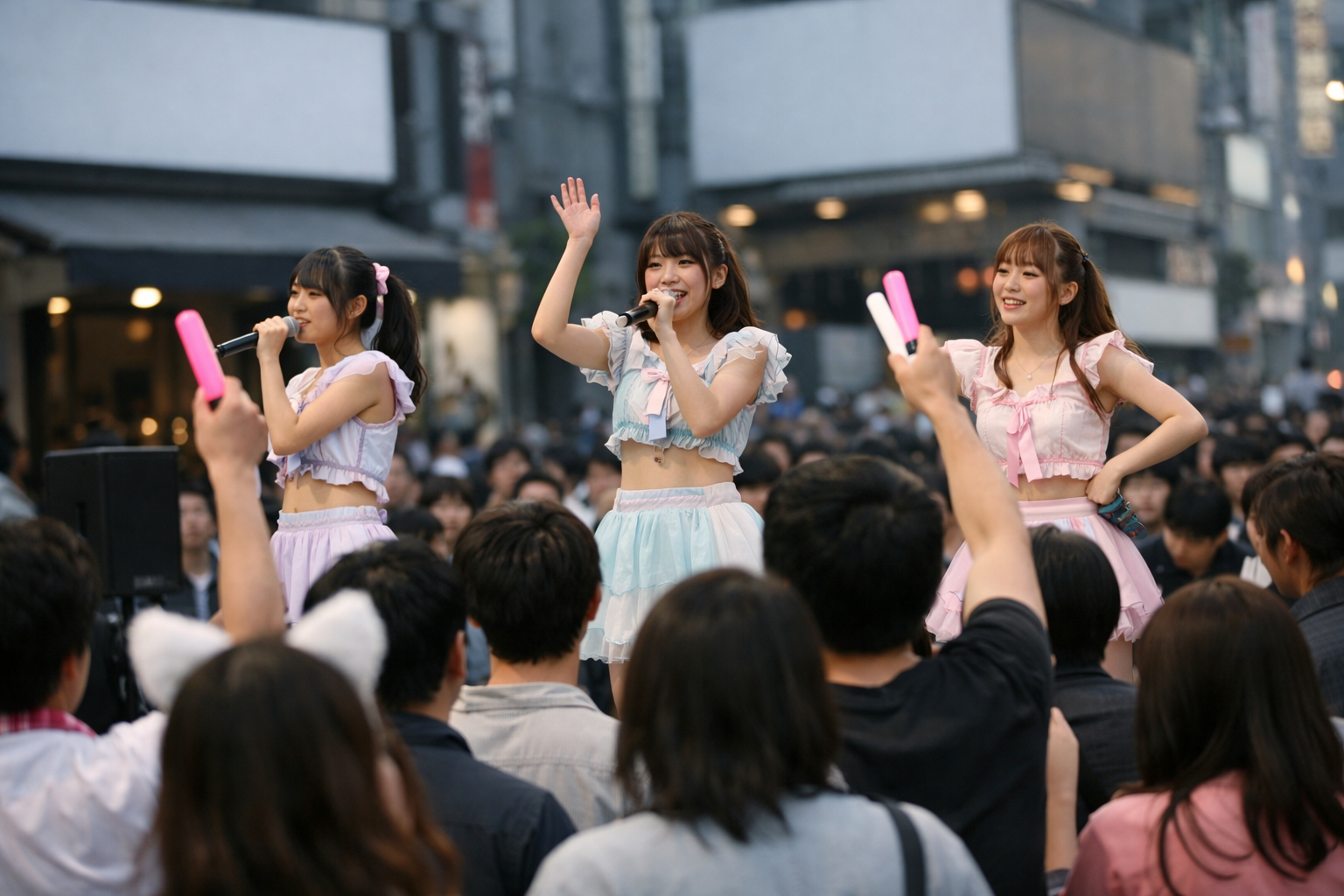
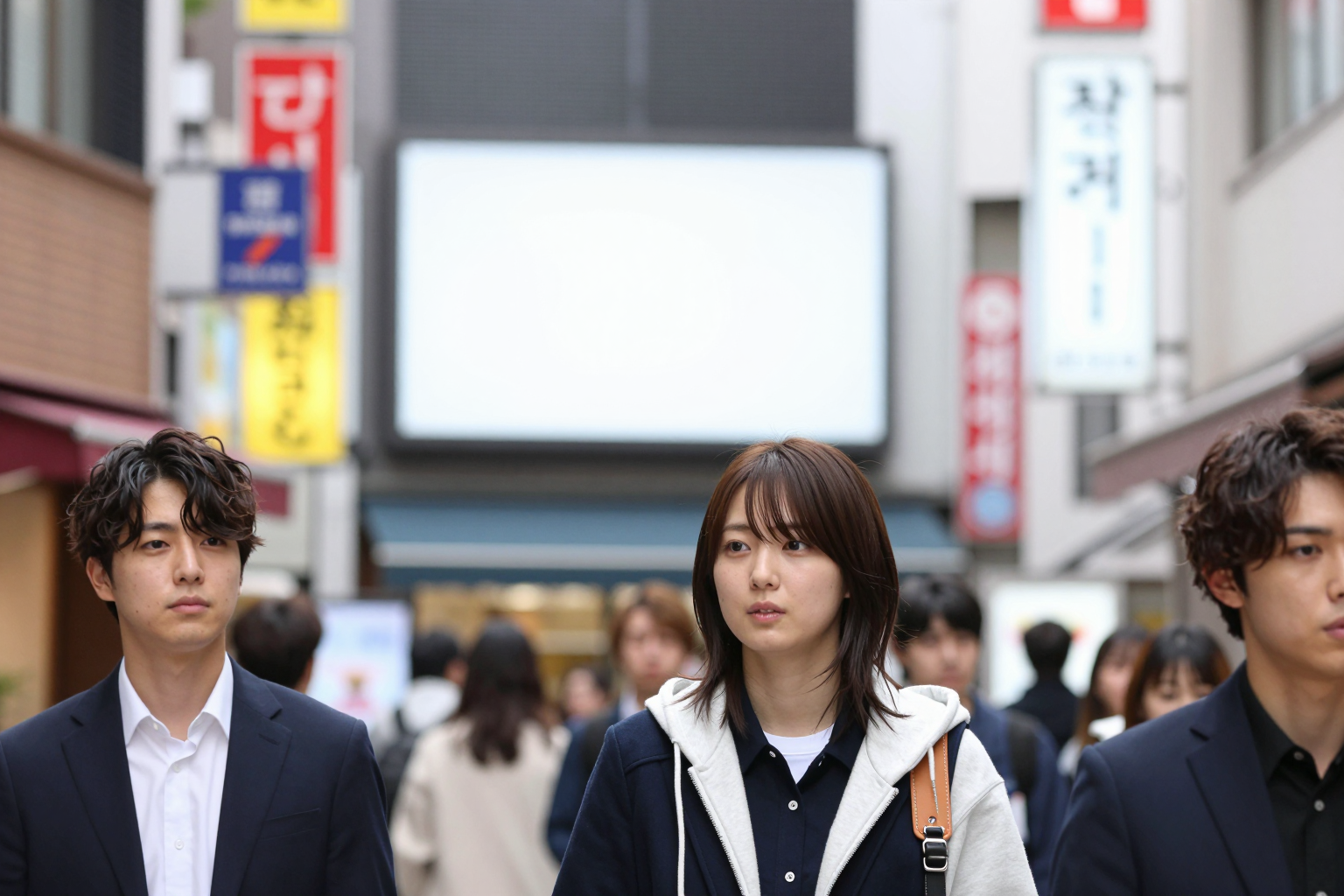
AI-Generated Photorealistic Image — All people, scenes, and details in this image are entirely AI-generated and fictional. Not a real photograph of an actual person or event. 이 이미지는 AI로 생성된 가상 이미지입니다.

Leave a Reply