Table of Contents
Seocheon County in South Chungcheong Province built its entire cultural calendar around one idea: barrier-free access. Local officials, disabled residents, and non-disabled residents all plan events together, not separately. That single choice explains why small rural counties like Seocheon now offer lessons for cities much bigger than themselves.
What Is Barrier-Free Culture in Korea
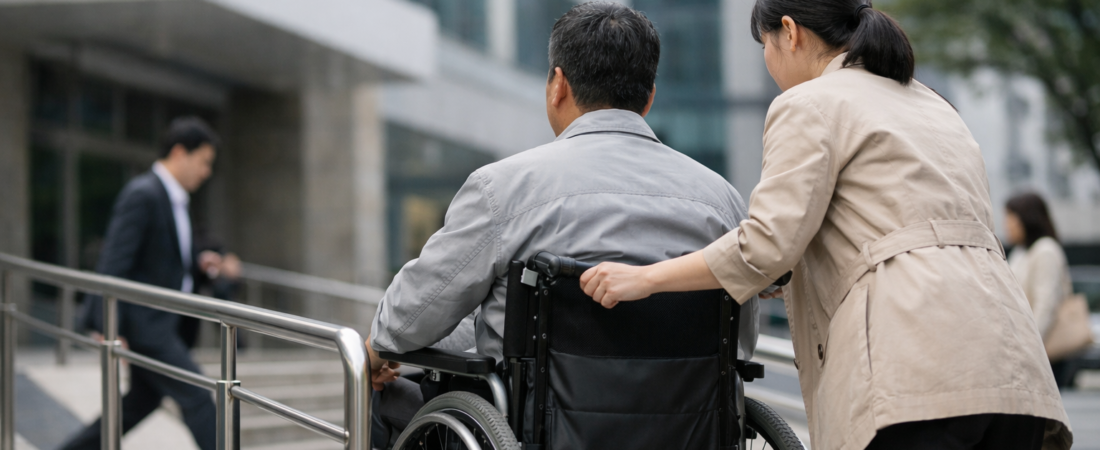
Barrier-free culture means removing physical, social, and attitudinal obstacles that keep people with disabilities from enjoying the arts. In Korea, this idea has grown well beyond ramps and elevators. It now includes sign language interpretation, sensory-friendly performances, and mixed audiences of disabled and non-disabled people sitting side by side.
Have you ever thought about how much of a concert or exhibit depends on things you barely notice — stair-free entrances, clear signage, quiet seating areas?
Most people never have to think about it, because they never hit the barrier. That’s exactly the point Seocheon’s Culture and Tourism Foundation wants visitors to understand.
The foundation designed its programs around one core value: everyone deserves the same front-row experience, not a separate, lesser one.
The Seocheon Model: A Guide to Inclusive Festivals
Seocheon’s approach centers on its “Gift Like a Week” barrier-free enjoyment week, held at the Munye Grand Theater and related venues. The program mixes performances, exhibitions, and hands-on activities open to disabled and non-disabled visitors together. Nothing runs on a separate track or a separate schedule.
Why does this matter more than it sounds? Because separate programming, even when well-intentioned, quietly signals that inclusion is an afterthought rather than a design principle.
Seocheon’s foundation flipped that script by building accessibility into the festival from the very first planning meeting.
Visitors interested in similar barrier-free experiences elsewhere in Korea can check details through resources like Yonhap News Agency, which regularly covers regional cultural programs. If you plan a trip around Korean festivals, look for the phrase “barrier-free” directly in event descriptions. It usually signals wheelchair access, interpreter services, and staff trained in disability awareness — three things worth confirming before you travel.
This kind of planning takes real coordination between local government, venue staff, and disability advocacy groups. Seocheon’s foundation reportedly worked with community members well before the event dates, testing accessibility routes and adjusting seating layouts. That groundwork rarely makes headlines, but it determines whether a barrier-free label is genuine or just decorative.
Why Barrier-Free Access Matters for Every Visitor
Korea’s disability rights movement has grown steadily since the 1990s, pushing for better transit access and public building standards. Progress has been real, but uneven — subway stations in Seoul now offer far more elevators than they did a decade ago, while many rural venues still lag behind. Seocheon’s barrier-free week directly addresses that rural gap.
Consider the practical side for a moment. A parent traveling with a child in a wheelchair, or an older visitor using a cane, benefits from the exact same barrier-free design as someone with a permanent disability.
Accessibility, in other words, helps almost everyone eventually — you just don’t notice until you need it yourself.
This is also where Korea’s collectivist cultural tradition shows its double edge. Korean community life often prizes shared experience — everyone eating together, everyone attending the same village festival. That same closeness, though, can quietly pressure people with disabilities to either keep up or stay home, since separate arrangements sometimes feel like exclusion rather than accommodation.
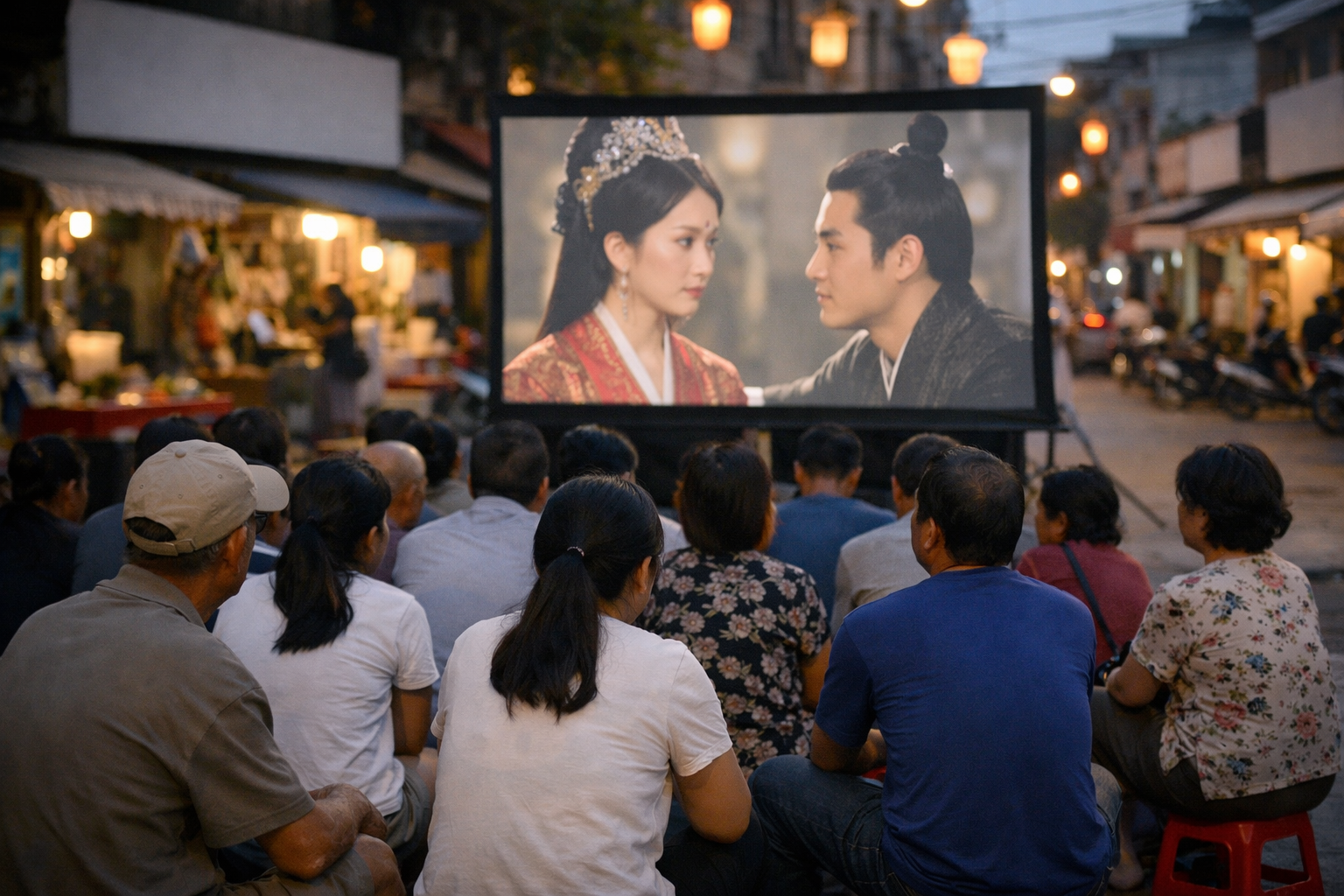
Seocheon’s answer avoids that trap by refusing to separate anyone in the first place. Disabled and non-disabled visitors share the same seats, the same performances, the same schedule — no side door, no special session held apart from the main event. That single design choice turns an old cultural strength, togetherness, into something genuinely inclusive rather than quietly exclusionary.
The Future of Barrier-Free Culture in Korea
Seocheon’s four-day program, running from the 17th through the 20th, offers a small but replicable template. Other counties and cities can study it: shared venues, joint planning, and accessibility built in from day one. None of this requires a massive budget — it requires intention.
Will every Korean region adopt this model quickly? Probably not, given uneven funding and staffing across provinces.
But smaller counties leading the way often push larger cities to follow, simply because visitors start expecting the same standard everywhere. That pressure, applied gently and consistently, tends to work better than mandates alone.
For travelers planning future visits to Korea, watching for barrier-free labeling on regional festival announcements is a smart habit. It signals a level of thoughtfulness that benefits every kind of visitor, not just those who need it most. What would it take for barrier-free access to become the default, rather than the exception, at every cultural event you attend?
AI-Generated Photorealistic Image — All people, scenes, and details in this image are entirely AI-generated and fictional. Not a real photograph of an actual person or event. 이 이미지는 AI로 생성된 가상 이미지입니다.
Leave a Reply