
Table of Contents
Director Huh Jin-ho’s new film “Assassin(s)” reopens the 1974 killing of First Lady Yuk Young-soo, asking whether the convicted gunman acted alone. The movie follows a newspaper city desk chasing the truth behind the assassination, with actor Park Hae-il playing the lead reporter. It arrives in theaters chasing a mystery Korean history has never fully closed.
Why does a 52-year-old case still grab our attention today? Maybe because some questions never get a clean answer, no matter how much time passes.
This film doesn’t just retell a tragedy. It asks you to think about truth, memory, and how a nation processes painful history.
A New Film Reopens the Yuk Young-soo Mystery
“Assassin(s)” centers on the National Liberation Day ceremony of August 15, 1974. That day, First Lady Yuk Young-soo was shot and killed in front of a stunned nation. The official record names a single gunman, but the film suggests the full story may never have surfaced.
Director Huh Jin-ho builds his story around a newspaper’s social affairs desk. Reporters dig through official statements, hunting for cracks in the government’s version of events. It’s a slow-burn thriller, built more on suspense and doubt than action.
Park Hae-il plays “Jae-hwan,” the city desk chief who quietly pushes back against a dictatorship unwilling to answer hard questions. His character represents every journalist who ever tried to report truth under pressure. You feel the weight of that era through his calm, careful resistance.
Actors Jung Woo-sung and Park Jung-min appear in cameo roles, adding star power without stealing focus from the central mystery. Their brief appearances have already boosted anticipation for the release. For a film built on quiet tension, that kind of buzz matters.
Who Was Yuk Young-soo?
Yuk Young-soo served as South Korea’s First Lady during President Park Chung-hee’s rule, from 1963 until her death in 1974. She was known for visiting hospitals, orphanages, and rural communities, earning a reputation as a compassionate public figure. Many Koreans still remember her as one of the more approachable figures from that authoritarian period.
Her assassination shocked the country. It happened in public, during a national ceremony, broadcast live to the nation. Few political killings in modern Korean history carry that same weight of public trauma.
The gunman was arrested and executed soon after, but questions about a wider conspiracy lingered for decades. Was he truly acting alone? Or did someone else orchestrate the attack from the shadows, using him as a tool?
Historians have long debated the case, and official archives remain incomplete or classified in parts. That gap between public record and private doubt is exactly what “Assassin(s)” tries to explore. Yuk Young-soo herself becomes almost a symbol here, standing at the center of a story larger than her own life.
Recreating 1974 Korea on Screen
One of the film’s strongest achievements is its physical recreation of 1970s Korea. Payphones, telegrams, and clattering typewriters fill the newsroom scenes. There’s no smartphone convenience here, just old-fashioned legwork and paper trails.
(It’s the kind of detail history buffs will love — imagine chasing a national conspiracy using only a rotary phone and shoe leather.) That constraint actually raises the tension. Every phone call could be tapped, every telegram could be intercepted, and every source could vanish overnight.
This visual authenticity matters because South Korea in 1974 was under tight authoritarian control. The press faced real censorship, and journalists risked their careers, or worse, by asking uncomfortable questions. Recreating that atmosphere helps global audiences understand just how dangerous reporting truth could be back then.
For readers curious about the historical backdrop, outlets like The Kyunghyang Shinmun have covered the film’s production details and its connection to the era’s press culture. The newsroom setting isn’t just a backdrop. It’s practically a character of its own, standing in for every institution trying to survive under pressure.
Why the Yuk Young-soo Story Still Matters
Films like “Assassin(s)” do more than entertain. They ask a society to look back at unresolved wounds and decide what to do with them. Yuk Young-soo’s death, and the questions surrounding it, sit inside a much longer Korean struggle between official narratives and inconvenient truths.
Korea’s journey from authoritarian rule to democracy involved real courage from ordinary reporters, activists, and citizens. That history deserves honest examination, not comfortable silence. But honest examination also carries risk of reopening old grief for families who lived through those events, and that tension deserves respect too.
The healthiest way forward isn’t to bury difficult history, nor to sensationalize it for entertainment alone. It’s to keep asking careful, respectful questions, the way good journalism always has. Films like this one, when made thoughtfully, can actually help a society heal by making space for honest memory instead of forced forgetting.
South Korea has produced many films over the past decade revisiting its authoritarian past, from Gwangju to the intelligence agency scandals of the 1970s and 80s. Each one adds another piece to a national conversation still very much in progress. “Assassin(s)” joins that lineage, using Yuk Young-soo’s story as its entry point into a much larger reckoning.
Will “Assassin(s)” finally offer closure on the Yuk Young-soo case, or simply deepen the mystery? Either way, the conversation it starts feels overdue. What do you think about how Korean cinema handles unresolved chapters of its own history?
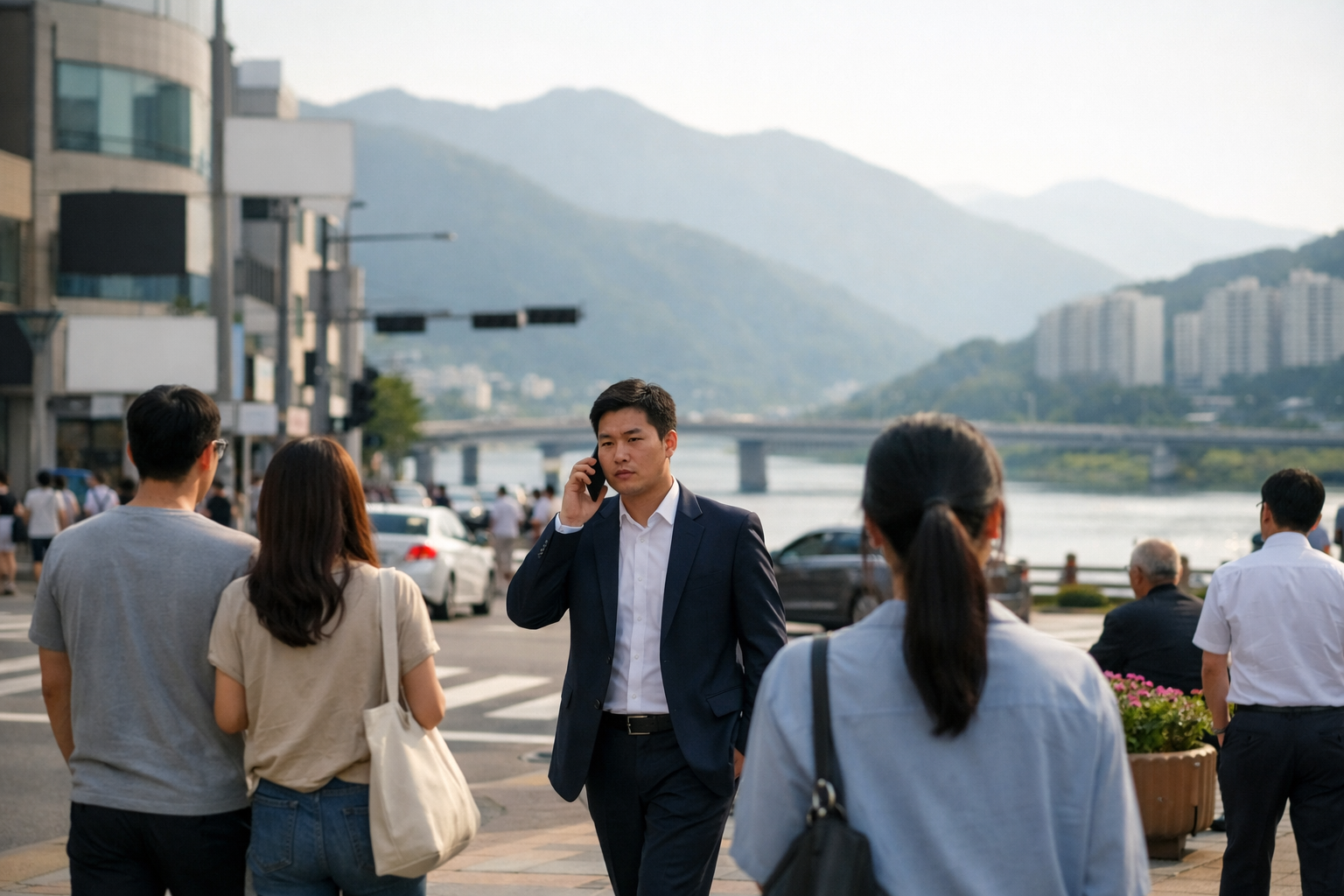
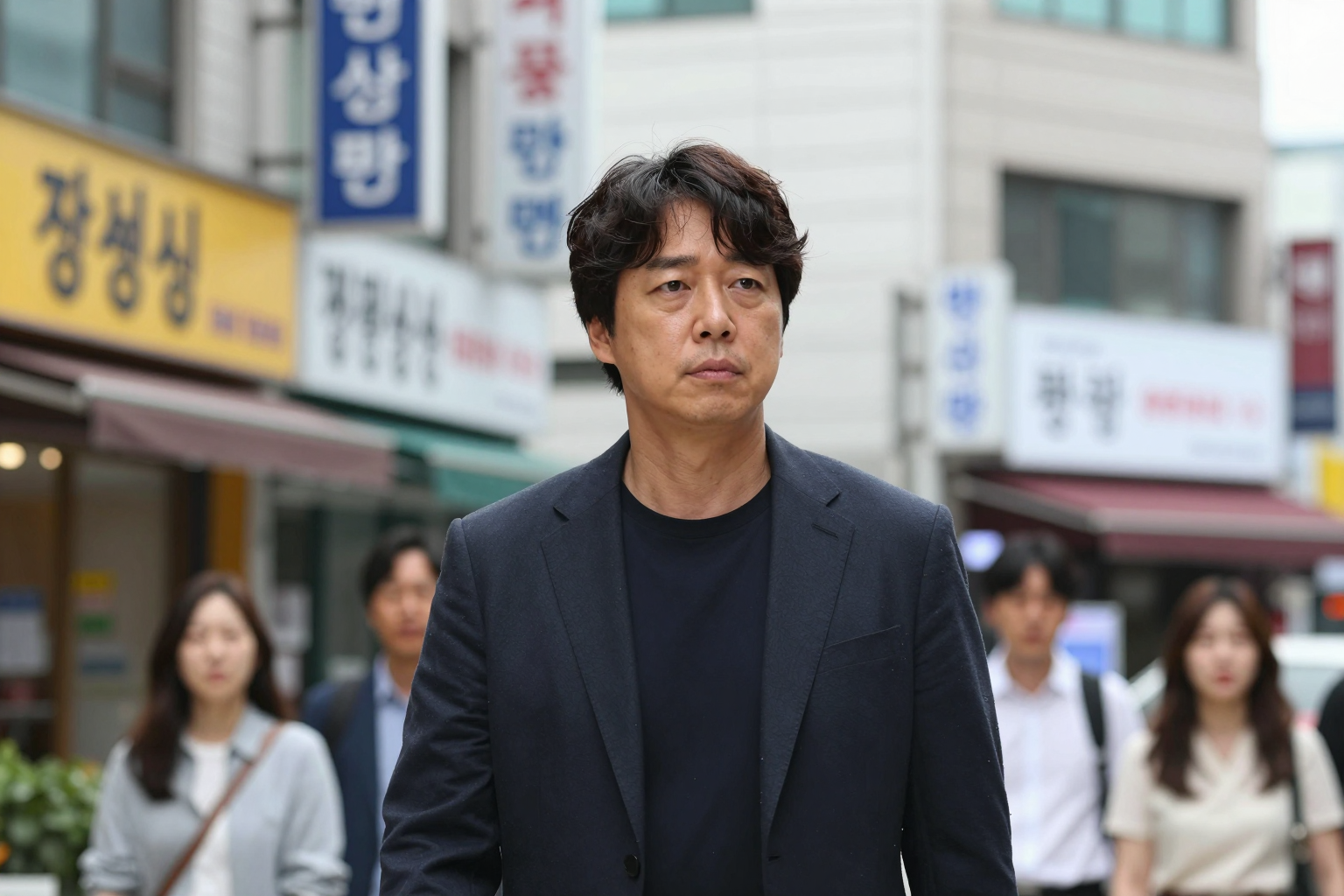
AI-Generated Photorealistic Image — All people, scenes, and details in this image are entirely AI-generated and fictional. Not a real photograph of an actual person or event. 이 이미지는 AI로 생성된 가상 이미지입니다.


Leave a Reply