IU Donates 200 Million Won on Her Debut Anniversary
IU marked her debut anniversary by donating 200 million won under the name “IUaena,” combining her own name with her fandom name “Uaena.” The Korean singer and actress gave 50 million won each to four organizations: the Korean Social Welfare Service, Seoul Rehabilitation Hospital, Heart-Heart Foundation, and Habitat for Humanity Korea, according to her agency EDAM Entertainment.
This is not IU’s first act of generosity tied to a personal milestone. Every year, it seems, she finds a new reason to give back to Korea’s most vulnerable communities.
Does one artist’s steady giving actually change how an entire industry behaves? That question matters more than you might think, especially in a country where celebrity philanthropy often makes headlines but rarely becomes routine.
A Pattern of Giving Tied to Milestones
IU has built a reputation for linking her personal calendar to charitable acts. On her birthday, she reportedly donated 300 million won. Around Children’s Day in May, she gave another 100 million won.
Now, her debut anniversary brings a fresh 200 million won contribution. You can see a clear pattern here: birthdays, national holidays, and career milestones all become opportunities to support others.
This latest donation will fund independent living support for young people aging out of foster care in Korea, sometimes called “self-reliance preparation youth.” These are young adults who leave institutional care around age 18 and must suddenly manage rent, jobs, and daily life alone.
Think about that transition for a moment. Most young people rely on family support well into their twenties, yet these youth often face independence with little safety net.
Why the Fandom Name Matters

The choice to donate under “IUaena,” a blend of her name and her fandom’s name Uaena, is not accidental. It signals shared ownership between the artist and her fans.
In Korean fan culture, this kind of naming convention has grown common. Many K-pop artists and their fandoms jointly fund scholarships, disaster relief, or hospital equipment, turning fan loyalty into tangible social good.
Korean fandoms are famous for their organizational muscle (imagine a Fortune 500 marketing department, except unpaid and fueled entirely by devotion). IU’s approach taps into that same energy, making fans feel like co-donors rather than passive spectators.
You might wonder why this format works so well in Korea specifically. Fan communities here often function like extended families, pooling resources for group projects that range from birthday coffee trucks to large charitable campaigns.
IU’s consistent branding around her fandom’s identity turns her giving into a shared story, not just a solo gesture. This is a smart cultural move, and it deepens loyalty in a way that money alone cannot buy.
Celebrity Philanthropy and Its Complicated Legacy in Korea
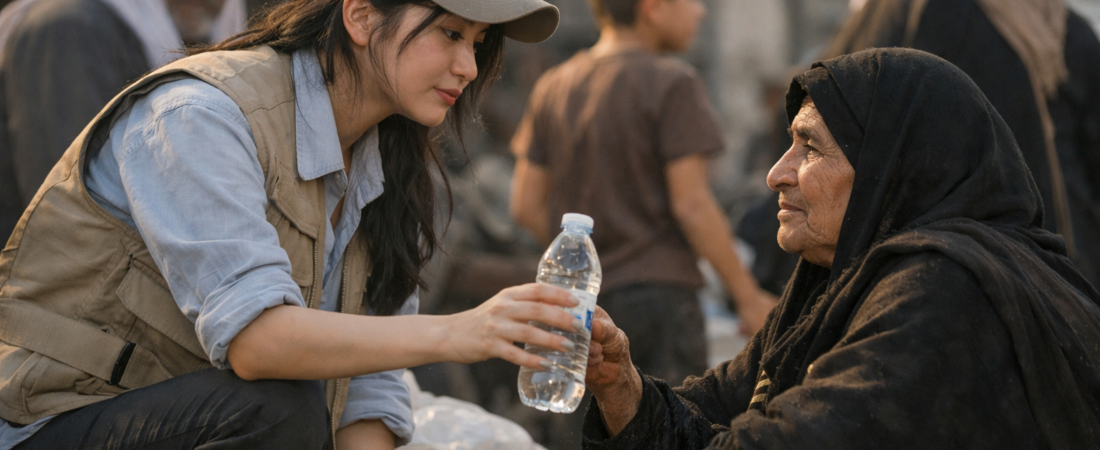
Korea has a long, sometimes uneven history with celebrity donations. Public trust in charitable giving took real damage after several high-profile fraud cases in the past decade, where donated funds were misused or organizations lacked transparency.
That history matters here, and it deserves honest acknowledgment rather than a rosy gloss. But the response to that damage has also been encouraging: many agencies now publish donation receipts, and organizations like the ones IU supports maintain public accountability records that rebuild trust step by step.
IU’s repeated, verifiable donations to established institutions such as Habitat for Humanity Korea and the Heart-Heart Foundation reflect this more transparent era. Her pattern of giving to the same organizations year after year also builds a track record that fans and skeptics alike can actually check.
You can read more about ongoing efforts to support Korea’s independent-living youth population through organizations like The Korea Herald, which regularly covers these welfare initiatives.
Human generosity rarely comes without complication, and that is worth sitting with rather than glossing over. A celebrity’s donation can inspire real change, yet it can also become a performance measured in headlines rather than lasting impact on the people it claims to help.
IU’s case leans toward the hopeful side of that spectrum, given her consistency and her choice of accountable, established partners over flashier one-time gestures. Still, the deeper solution to youth poverty and aging-out care gaps in Korea will require sustained government policy, not just annual celebrity gifts, no matter how well-intentioned they are.
What This Means Going Forward
IU’s continued donations suggest that celebrity philanthropy in Korea is maturing into something more structured and repeatable. Instead of one-off publicity moments, her giving pattern looks more like an annual commitment, almost like a personal tradition.
Will other artists follow this model of milestone-based, transparent giving. Many already have, and fan-artist joint donations are becoming a recognizable feature of Korean entertainment culture rather than a rare exception.
For global readers watching Korea’s entertainment industry, this trend offers a window into how fame and social responsibility increasingly intersect here. What do you think about artists like IU turning personal milestones into consistent charitable action?
AI-Generated Photorealistic Image — All people, scenes, and details in this image are entirely AI-generated and fictional. Not a real photograph of an actual person or event. 이 이미지는 AI로 생성된 가상 이미지입니다.



Leave a Reply