Table of Contents
Ten Months follows a young woman named Mirae, played by Choi Sung-eun, who receives an unexpected pregnancy diagnosis and must navigate her changing life. Director Nam Kung-sun’s film has resurfaced in a recent recommendation column tied to news about acclaimed director Lee Chang-dong’s upcoming project. Available on Watcha, Wavve, and Netflix, Ten Months offers a rare, unfiltered look at pregnancy in Korea.
Have you ever noticed how few films actually show what pregnancy really feels like? Not the glowing magazine version, but the confusing, scary, complicated one. Ten Months does exactly that, and it does it without flinching.
What Makes Ten Months a Hidden Gem
The Korean film press column “Hommage” recommends weekend-worthy OTT content every Saturday morning. This week’s spotlight fell on Ten Months, connected loosely to buzz around Lee Chang-dong’s new film, which recently won the Grand Jury Prize (Silver Lion) at the 83rd Venice International Film Festival for Poetic Justice. The pairing feels intentional.
Lee Chang-dong is known for films that refuse easy answers about Korean society. Nam Kung-sun’s Ten Months carries that same spirit, even if it arrived with far less fanfare. That’s exactly why the column calls it a hidden gem worth discovering.
You won’t find Ten Months topping any blockbuster charts. But sometimes the smaller films say more than the loud ones, and this is one of those quiet titles that rewards patient viewers.
The Real Story Behind Mirae’s Pregnancy
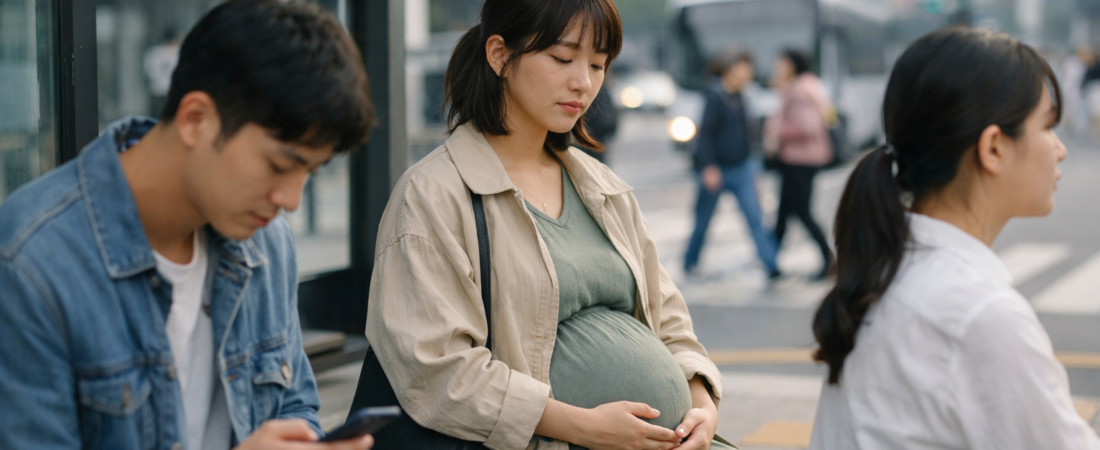
Mirae’s name itself means “future” in Korean, a detail that adds weight to every scene. When she learns she’s pregnant, her world doesn’t simply shift toward joy. It fractures into a mess of practical worries, career fears, and emotional confusion.
The film doesn’t romanticize motherhood. Instead, it shows the paperwork, the awkward conversations, and the financial calculations that come with an unplanned pregnancy in modern Korea.
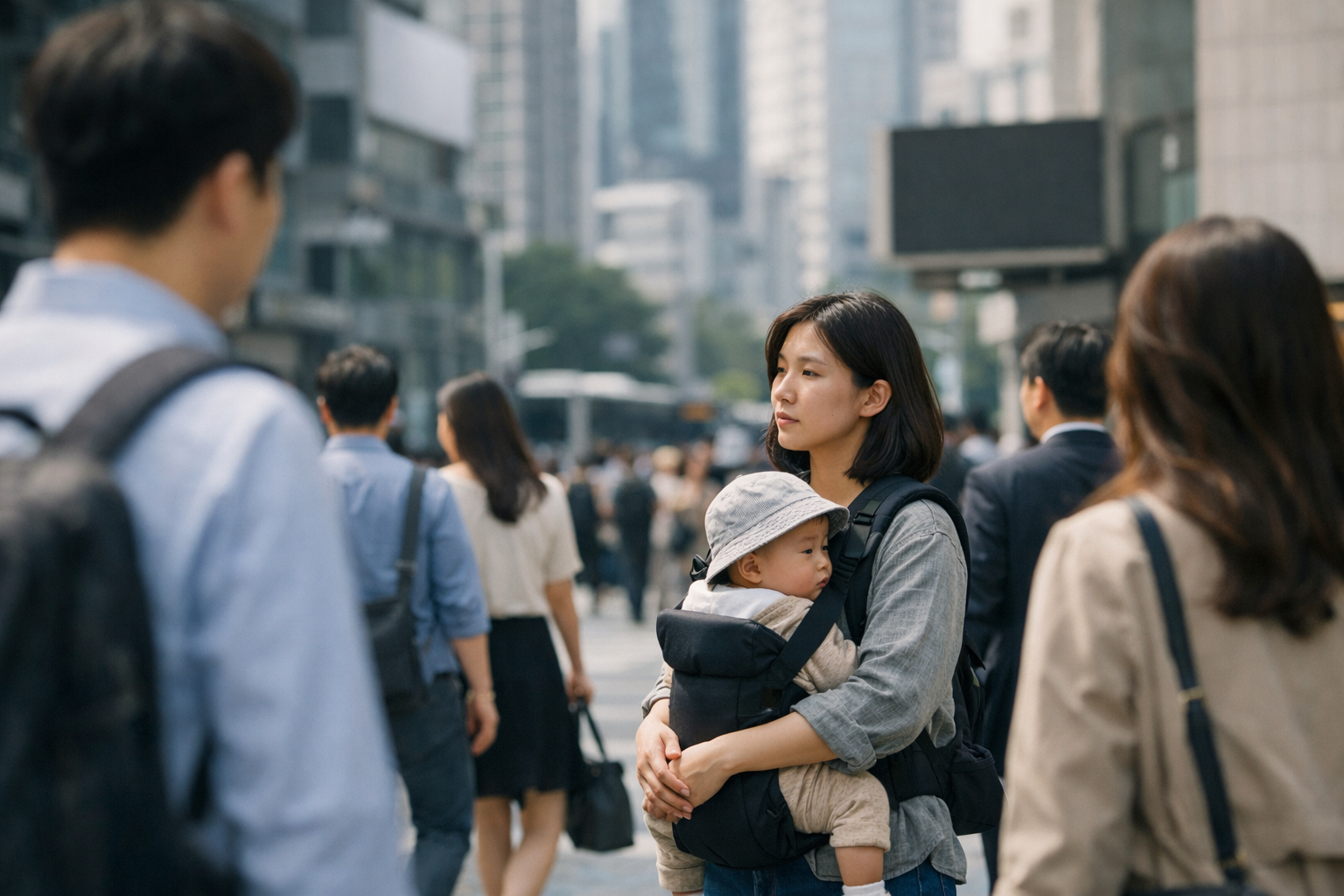
Why does this matter so much right now? Korea’s fertility rate remains among the lowest in the world, and much of the public conversation focuses on statistics rather than lived experience. Ten Months flips that script, putting a real, breathing person at the center of a national anxiety.
Choi Sung-eun’s performance carries the film’s emotional core. She plays Mirae with a rawness that avoids melodrama, letting silence and small gestures do the heavy lifting. That restraint is what critics have praised most about the film since its original release.
Why Nam Kung-sun’s Ten Months Matters Now
Director Nam Kung-sun built the story around a deceptively simple premise. What happens when the “future” a young woman imagined for herself collides with a biological future she never planned? Ten Months sits inside that collision and refuses to look away.
This isn’t just a personal drama. It’s a quiet commentary on how Korean society still struggles to support women through pregnancy decisions, from workplace policy to family expectations.
You could call it a small film asking a big question. If you want more background on Korean cinema’s engagement with social realism, resources like Korean Film Council offer helpful context on how directors like Nam Kung-sun fit into a broader tradition.
That tradition includes filmmakers who use ordinary lives to reveal extraordinary pressure points in Korean society. Lee Chang-dong himself built a decades-long career doing exactly this, from Peppermint Candy to Poetry. Ten Months, though smaller in scale, walks the same path with its own honest voice.
Where to Watch Ten Months and What It Reveals About Korea
Ten Months streams now on Watcha, Wavve, and Netflix, making it accessible to viewers both inside and outside Korea. For international audiences curious about contemporary Korean social issues, this film offers a more grounded entry point than typical K-drama romance.
Korean society often prizes resilience and quiet endurance, especially around family and childbearing. There’s real warmth in how communities rally around new mothers here, with extended family support that many Western viewers might envy.
But that same closeness can quietly pressure women into decisions they haven’t fully processed, and Ten Months captures this tension honestly rather than resolving it neatly. The film doesn’t offer easy comfort, yet it doesn’t abandon hope either. It simply insists that Mirae’s confusion and fear deserve to be seen, and in that honest seeing, something like dignity emerges.
(And yes, someone at that weekend column apparently sat through quite a few OTT catalogs before landing on this one — dedication worth applauding.)
Films like Ten Months remind us that policy debates about birth rates start with individual stories, not spreadsheets. As Korea continues wrestling with demographic change, expect more filmmakers to explore this exact territory. What do you think Korean cinema still needs to say about pregnancy and motherhood that hasn’t been said yet?
AI-Generated Photorealistic Image — All people, scenes, and details in this image are entirely AI-generated and fictional. Not a real photograph of an actual person or event. 이 이미지는 AI로 생성된 가상 이미지입니다.


Leave a Reply