
Table of Contents
A Korean independent film called Ten Months of Future follows a young woman named Mirae, played by Choi Sung-eun, after she learns she is unexpectedly pregnant. The movie is streaming on Watcha, Wavve, and Netflix. It surfaced this week in a recurring culture column called “Hommage,” which recommends weekend streaming picks.
Why does a small film about pregnancy deserve your attention right now? Because it tells a story many Korean dramas skip entirely.
The column that introduced Ten Months of Future also mentioned director Lee Chang-dong’s new project, Possible Love, which recently won the Silver Lion Grand Jury Prize at the 83rd Venice International Film Festival. That headline naturally grabbed attention.
But buried beneath the bigger news was this quieter recommendation, one worth pausing on.
What Is Ten Months of Future About
Ten Months of Future centers on Mirae, whose name literally means “future” in Korean, a detail that feels intentional. She discovers she is pregnant without warning and without a plan.
The film does not rush toward easy resolution. Instead, it sits with her confusion, her fear, and her slow process of figuring out what she actually wants.
That approach sets it apart from typical pregnancy narratives you might expect. Many films treat pregnancy as either a joyful surprise or a dramatic crisis, with little room in between.
Ten Months of Future chooses a harder path. It shows the messy middle ground, where a woman has to sort through her own feelings before she can decide anything else.
Why This Small Film Deserves Your Weekend
You might wonder why a modest independent film matters next to a Venice-winning director’s new release. Fair question, honestly.
The answer lies in what “Hommage” tries to do each Saturday. The column exists to pull attention toward films that might otherwise disappear in a crowded streaming lineup.
Ten Months of Future is exactly that kind of film. It has no massive marketing budget and no star-studded cast.
What it does have is a clear, honest point of view. Choi Sung-eun’s performance carries much of the film’s emotional weight, portraying Mirae’s shifting state of mind with restraint rather than melodrama.
Korean cinema has a long tradition of using small, personal stories to say something larger about society (think of it as the quiet cousin to the country’s flashier blockbusters). Ten Months of Future fits neatly into that lineage.
Pregnancy, Choice, and Korean Society on Screen
Pregnancy in Korea carries weight beyond biology. It touches marriage expectations, career timing, and family pressure all at once.
Ten Months of Future does not lecture viewers about these pressures. It simply shows Mirae navigating them in real time, which feels more honest than a message-driven script.
Isn’t that what good filmmaking should do? Show, rather than tell, and let the audience draw their own conclusions.
South Korea’s birth rate remains among the lowest in the world, a fact widely reported and debated across Korean media. Films like this one add a human face to statistics that can otherwise feel abstract and distant.
Reporter Yoon Seung-min, who wrote the original piece for the Kyunghyang Shinmun, framed the film within this larger cultural conversation. That framing matters, because it connects a personal story to a national discussion.
Korean society often praises family closeness and communal support during difficult times like unexpected pregnancy. That warmth is real, and many women do find strength in family networks during hard decisions.
But that same closeness can also bring intense pressure, unsolicited opinions, and little private space to think clearly. Ten Months of Future captures both sides without judging either one, which is perhaps its quiet strength as a film and as a mirror held up to real life.
Where to Watch and What Comes Next
You can currently stream Ten Months of Future on Watcha, Wavve, and Netflix. That availability across three major platforms makes it an easy addition to any weekend watchlist.
The “Hommage” column that recommended it runs every Saturday morning, offering fresh picks for viewers tired of algorithm-driven suggestions. This particular edition paired a major festival headline with a smaller, more intimate discovery.
That pairing itself says something about how Korean film culture works. Big wins like Lee Chang-dong’s Venice honor draw international eyes toward Korean cinema as a whole.
Meanwhile, films like Ten Months of Future keep doing quieter, necessary work at home. Will more viewers seek out stories like Mirae’s now that attention has turned toward Korean film?
That remains to be seen, but the opportunity is there. What do you think about how films like Ten Months of Future portray pregnancy and choice compared to what you usually see on screen?
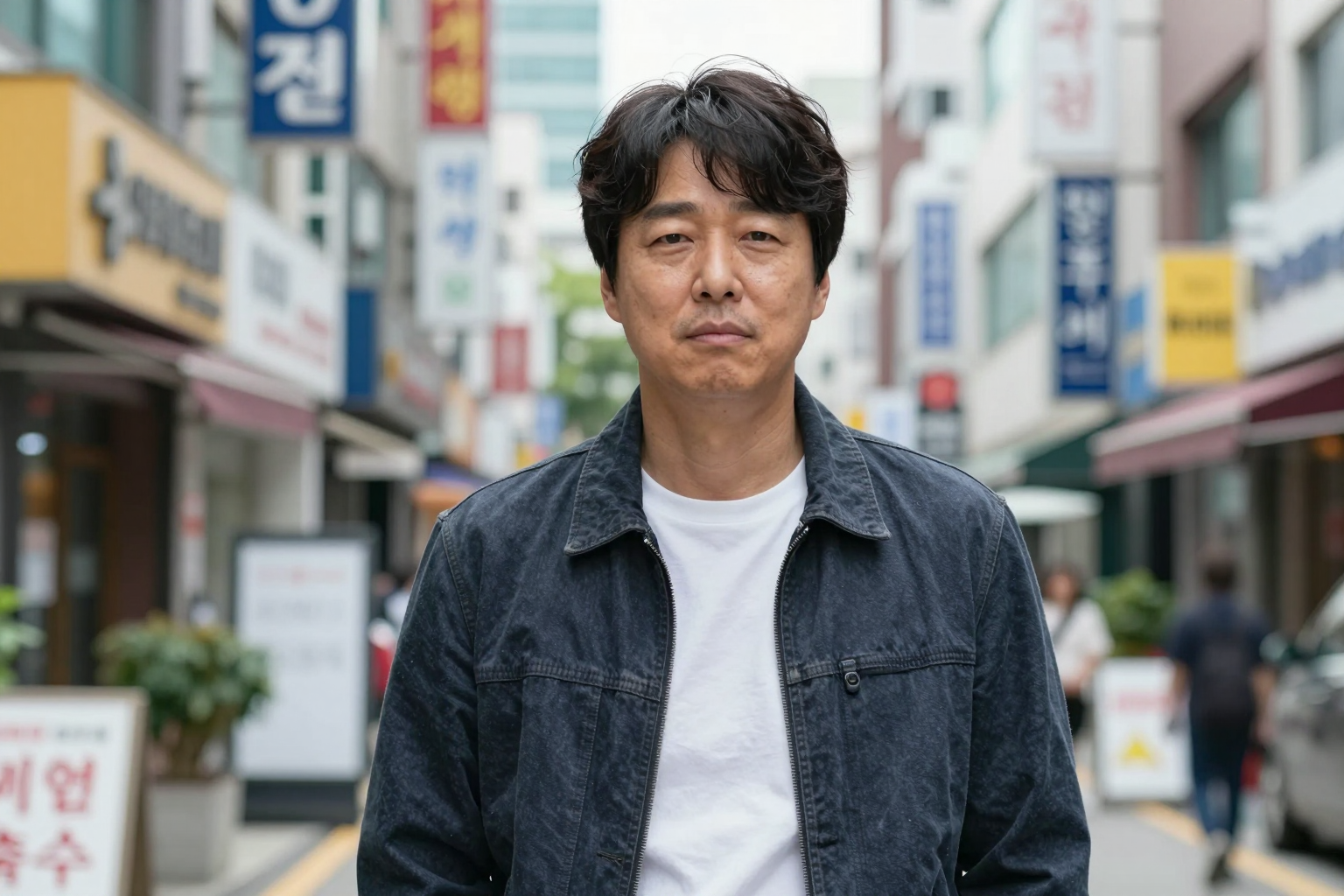
AI-Generated Photorealistic Image — All people, scenes, and details in this image are entirely AI-generated and fictional. Not a real photograph of an actual person or event. 이 이미지는 AI로 생성된 가상 이미지입니다.



Leave a Reply