
Table of Contents
Who gets to check the police when something goes wrong? That question is now at the center of a heated fight inside Korea’s National Assembly. A single case involving a man named Jang Yoon-gi has reopened one of the most sensitive debates in Korean law enforcement: should prosecutors keep their supplementary investigation authority, or should police finally operate without that oversight layer?
This debate is not new. But the Jang Yoon-gi case has given it fresh urgency, and lawmakers on both sides are digging in.
The Jang Yoon-gi Case That Reignited a National Debate
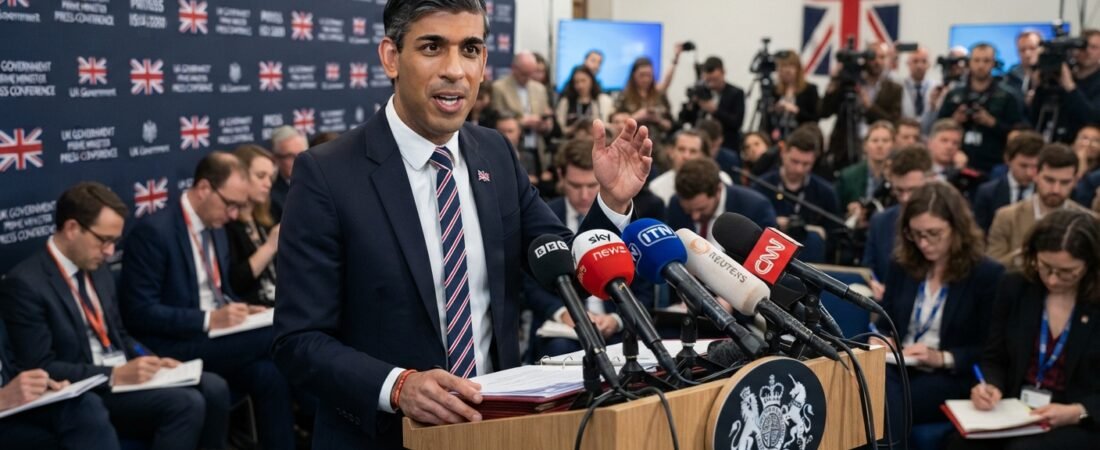
Every political fight needs a spark, and this one found it in the Jang Yoon-gi case. Details of the case triggered public concern about how police investigations are handled when something appears to go wrong. Once the story broke, lawmakers immediately connected it to a much bigger structural question about supplementary investigation authority.
Here is where things get complicated. The Democratic Party of Korea insists these are two separate issues entirely.
Their position is clear: getting to the truth of the Jang Yoon-gi case matters, but it should not be used as leverage to reshape Korea’s entire investigation system. Does that argument hold up, though? Critics say separating the two feels convenient, especially since the case is exactly what brought this debate back into the spotlight.
The People Power Party sees it differently. They argue the Jang Yoon-gi case actually proves why supplementary investigation authority still matters. Without it, they warn, cases like this one could slip through the cracks with no one left to double-check police work.
This is not just a technical policy disagreement. It touches something Korean citizens care deeply about: accountability in the justice system. And that is exactly why this story deserves your attention, whether you follow Korean politics closely or you are just discovering how the country’s legal institutions work.
What Is Supplementary Investigation Authority, Really?
Let’s break this down simply. Supplementary investigation authority refers to a prosecutor’s power to request additional investigation from police after reviewing a case file. Think of it as a built-in check, a second set of eyes before a case moves forward.
For decades, Korean prosecutors held broad investigative power, sometimes overlapping with police duties. Reforms in recent years shifted much of that power to police, aiming to reduce prosecutorial overreach. But lawmakers kept supplementary investigation authority in place, a kind of safety valve between the two agencies.
Why does this matter now? Because critics of abolishing supplementary investigation authority say Korean police would become what they call a “monster police” force, powerful but unchecked. That phrase alone tells you how emotionally charged this debate has become.
Supporters of removing this authority argue the opposite. They say Korean police have matured enough to handle investigations independently, and prosecutorial oversight only slows down justice. Which side is right? Honestly, both arguments carry real weight, and that is precisely why this fight has dragged on for years without a clean resolution.
Here’s a helpful comparison for global readers. In the United States, police and prosecutors typically work as separate but cooperating institutions, with courts serving as the primary check on police conduct. Korea’s system, shaped by its own legal history, relies more heavily on prosecutorial oversight built directly into the investigation process itself.
Removing supplementary investigation authority would push Korea closer to a police-led model, similar in some ways to systems used elsewhere. But Korea’s political culture and public trust levels differ significantly from other democracies, and that context shapes how risky this change feels to many citizens.
You can read more background on how Korea’s investigation authority reforms evolved through Yonhap News Agency, which has tracked this issue closely over recent legislative sessions.
Democratic Party vs. People Power Party: Two Very Different Stories

Politics in Korea often comes down to competing narratives, and this debate is no exception. The Democratic Party frames supplementary investigation authority as an outdated relic, a leftover tool that slows justice rather than protecting it. Their argument centers on efficiency and trust in reformed police capabilities.
The People Power Party tells a completely different story. For them, supplementary investigation authority represents the last meaningful check against police overreach. Remove it, they warn, and Korea risks creating an institution answerable to almost no one.
Notice how both parties use the Jang Yoon-gi case to support opposite conclusions? That is not unusual in Korean politics. Major cases often become symbolic battlegrounds, standing in for much larger ideological fights about power, oversight, and public trust.
Is one side simply right and the other wrong? Not really. This debate reflects a genuine tension found in nearly every democracy: how much power should investigators hold, and who watches the watchers?
Korea has wrestled with this tension since major prosecutorial reforms began several years ago. Each new case, including this one involving Jang Yoon-gi, becomes another data point in an ongoing argument that shows no sign of ending soon.
What makes this moment particularly tense is timing. Both parties know that legislative sessions move fast, and whoever controls the narrative around supplementary investigation authority right now could shape policy outcomes for years to come.
That is why neither side is backing down, and why both are preparing formal legislative moves rather than settling this through public statements alone.
What Comes Next in the National Assembly Showdown
So where does this go from here? Both parties have signaled they will introduce competing legislation, setting up what Koreans often call a “counter-bill” standoff. The Democratic Party is expected to push forward reforms tied to police accountability structures.
Meanwhile, the People Power Party plans to introduce measures aimed at preserving or even strengthening supplementary investigation authority. Committee reviews are expected to move quickly, given the political pressure building around the Jang Yoon-gi case. But quick does not always mean smooth in Korean legislative politics.
Expect intense debate sessions, procedural delays, and plenty of public statements from both sides. This is how major legal reforms typically unfold in Korea’s National Assembly, through prolonged negotiation rather than sudden resolution. Historical precedent supports this pattern too.
Korea’s earlier prosecutorial reform battles, including the 2020 and 2022 legislative fights over investigative power, took months of back-and-forth before reaching partial compromises. Supplementary investigation authority itself emerged from one of those earlier compromises, not from a clean, decisive victory for either side. That history suggests this current fight may follow a similar slow-moving path.
For everyday Korean citizens, the stakes are practical, not abstract. If supplementary investigation authority disappears, police gain more independent power over investigations, for better or worse. If it stays, prosecutors retain a check that some see as necessary and others see as outdated interference.
Either outcome will directly affect how future cases, similar to the Jang Yoon-gi situation, get investigated and reviewed.
For readers outside Korea, this story offers something valuable too. It shows how democracies constantly rebalance power between institutions, adjusting checks and oversight as public trust shifts. Korea’s current fight over supplementary investigation authority mirrors debates happening in police reform movements worldwide, just with distinctly Korean political dynamics shaping the outcome.
Watching how the National Assembly handles this will tell you a lot about Korea’s broader direction on justice reform. Will lawmakers find a workable middle ground, or will this become another prolonged standoff with no real resolution? Given the emotional weight attached to the Jang Yoon-gi case, expect this debate over supplementary investigation authority to remain a major political flashpoint well into the next legislative session.
What do you think? Should police gain full independence from prosecutorial checks, or does supplementary investigation authority still serve an important safeguard role in Korea’s justice system?

Leave a Reply