Table of Contents
Can you trust an election system that can’t count its own ballots? That question hung over the National Assembly this week. Lawmakers from both ruling and opposition parties grilled officials from the National Election Commission over a ballot shortage scandal that many call unprecedented.
The hearing wasn’t just about missing paper. It revealed something bigger — a pattern of weak oversight inside one of Korea’s most important institutions.
A Hearing That Exposed Deep Cracks
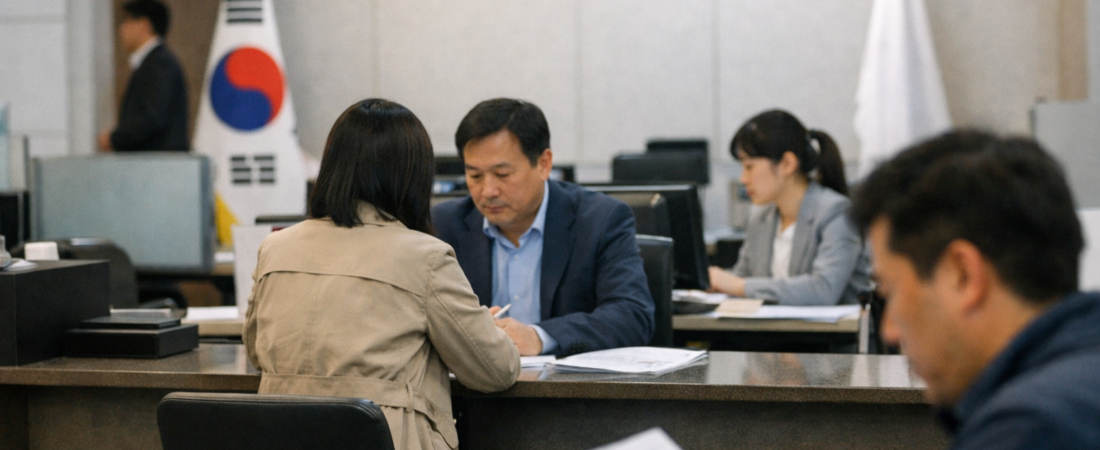
Korea’s National Assembly held a special hearing this week. The topic was simple but serious: how did the National Election Commission fail to manage ballot supplies properly?
Lawmakers from the Democratic Party of Korea and the People Power Party rarely agree on much these days. But at this hearing, both sides found common ground — sharp criticism of the National Election Commission’s internal management.
Why does this matter so much? Because elections are the foundation of democracy. If people start doubting how ballots get counted, they start doubting the results themselves.
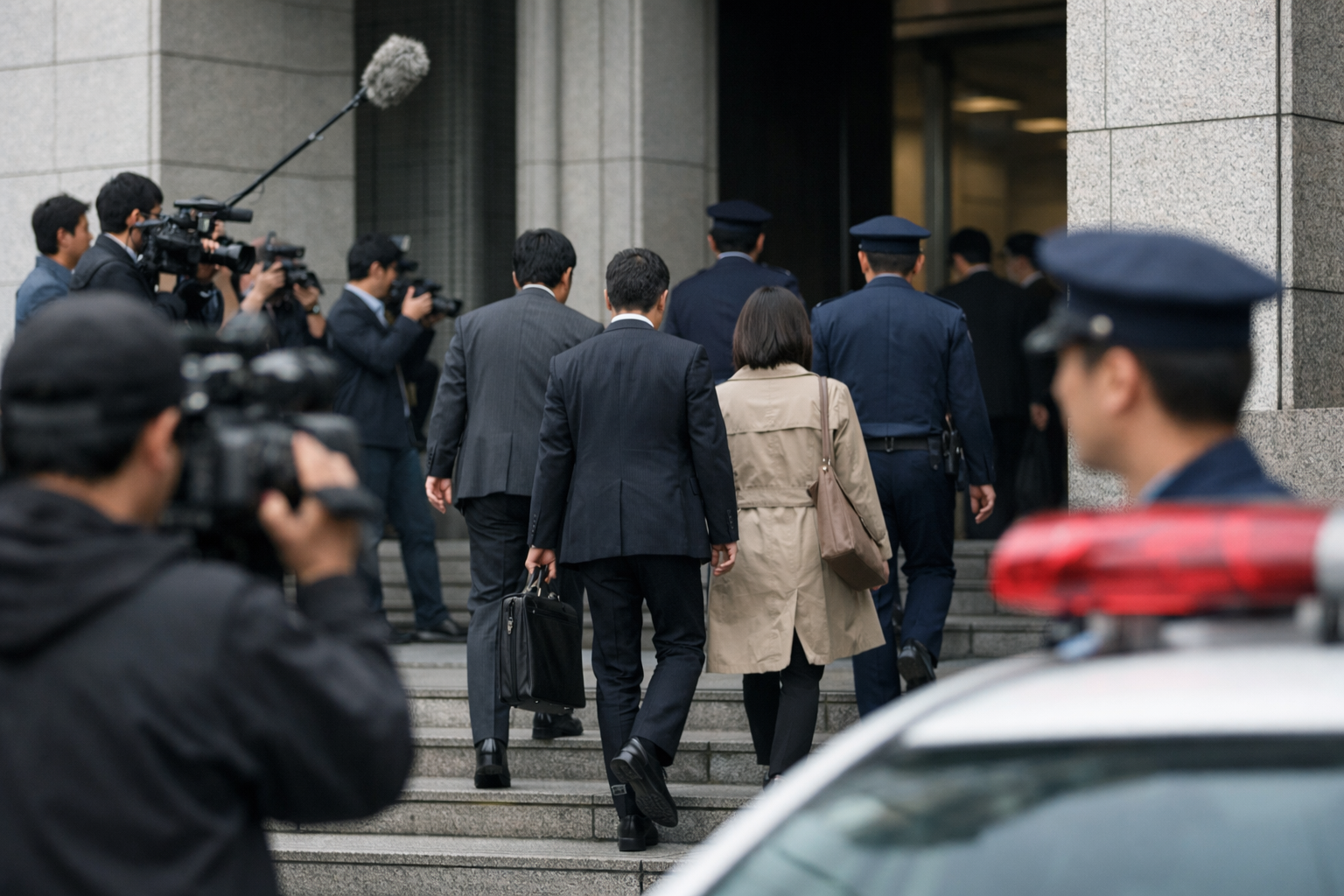
The hearing took place under a special parliamentary investigation committee. This kind of committee isn’t formed for minor issues. It signals that lawmakers see this as a matter of national concern, not just an administrative hiccup.
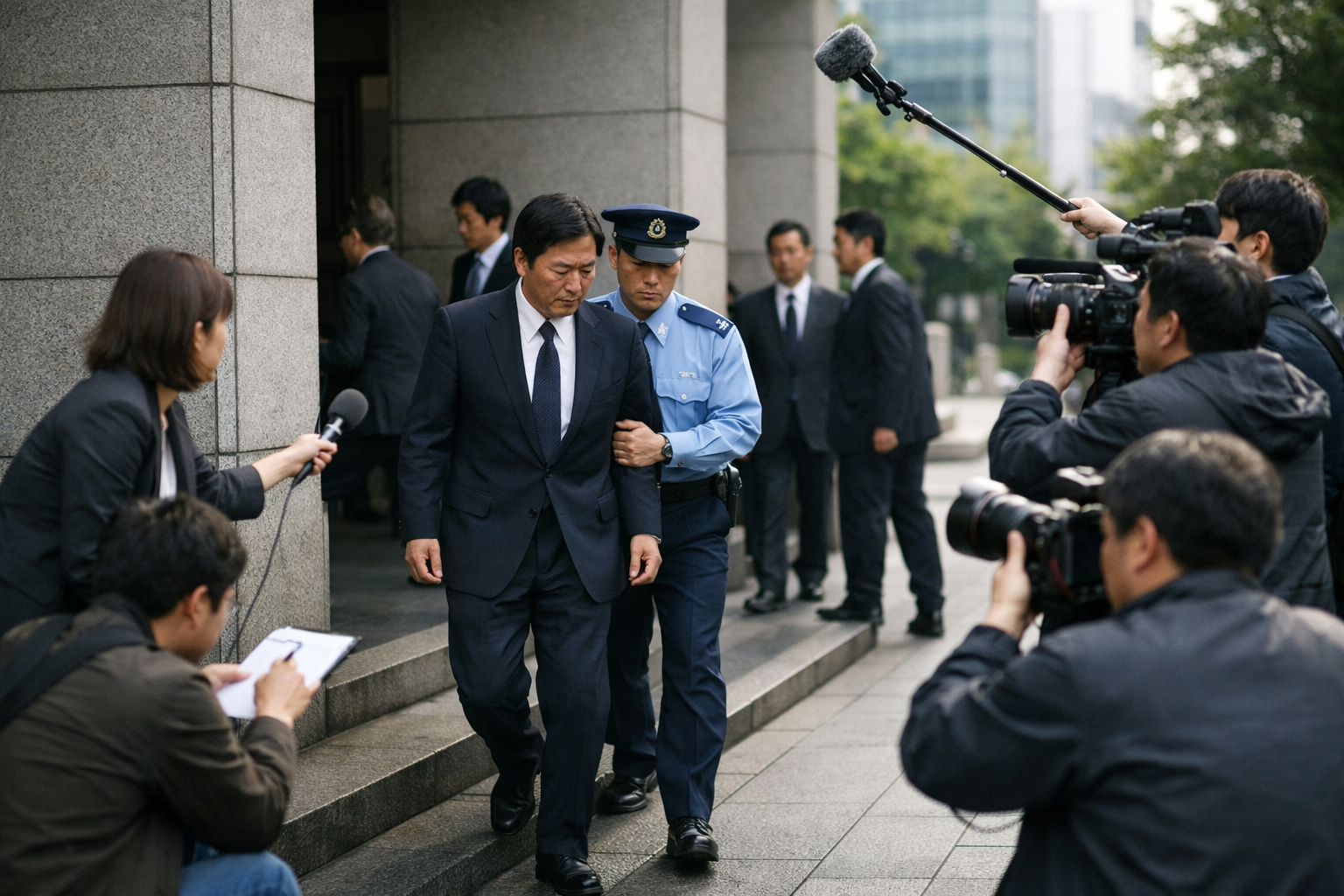
Committee members pressed National Election Commission officials on multiple fronts. They asked about internal audits, hiring practices, and how the commission handles complaints from voters. Each answer seemed to open more questions than it closed.
The Ballot Shortage: What Went Wrong at the National Election Commission
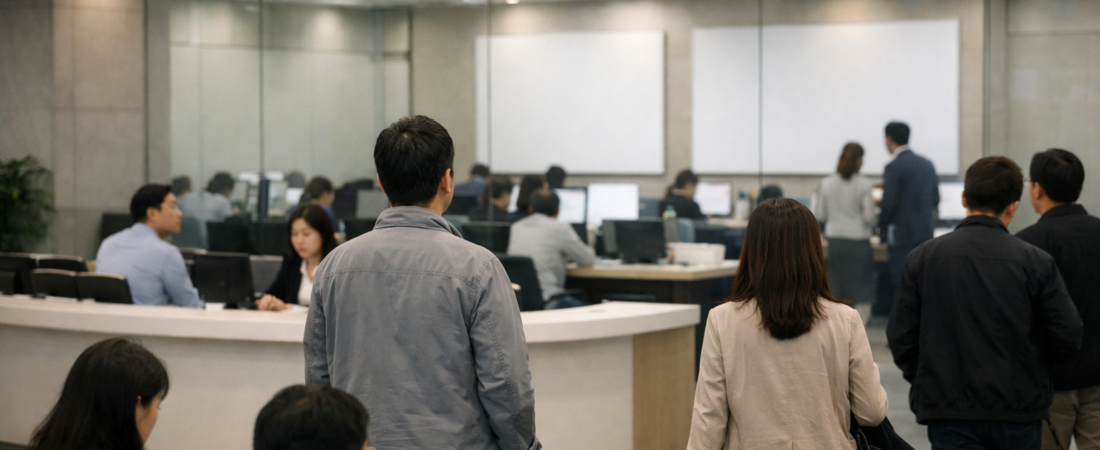
Let’s get to the heart of the issue. Reports show a shortage of ballot papers during a recent election cycle managed by the National Election Commission.
How does an organization with a massive budget and decades of experience run out of ballots? That’s exactly what lawmakers wanted to know. The answers they got weren’t reassuring.
Officials admitted to gaps in supply planning. They also acknowledged weaknesses in tracking ballot inventory across different voting stations.
For an institution whose entire job is precision, these admissions carried real weight. Ballot shortages aren’t just embarrassing — they can delay voting, confuse poll workers, and erode public confidence in the process.
Now, the scale of the problem is becoming clearer. At the center of the controversy sit 2.47 million ballots slated for recount.
That’s not a small number. It represents a significant portion of votes cast, and it explains why lawmakers are demanding answers so aggressively.
Ruling and opposition lawmakers don’t agree on the solution, though. One side wants an immediate recount to settle the matter quickly. The other side wants a special counsel investigation — a much deeper and more adversarial process.
This split tells you something important. It’s not just about fixing a logistics problem anymore. It’s about who gets to define what “accountability” means for the National Election Commission going forward.
Discipline, Contracts, and Independence Under Fire

Ballot shortages were just the opening act. Lawmakers also targeted the National Election Commission’s internal audit system, and what they found raised eyebrows.
Since the commission reformed its audit process, the rate of reduced disciplinary punishments has climbed noticeably. In plain terms, employees who broke rules ended up facing lighter consequences more often than before.
Doesn’t that defeat the purpose of an audit reform? If the goal was stronger accountability, the data suggests the opposite happened. Lawmakers pushed hard on this contradiction during the hearing.
Then came another uncomfortable revelation. Investigators found that the National Election Commission awarded no-bid contracts to companies connected to family members of former employees.
No-bid, or “sole-source,” contracts skip competitive bidding entirely. They’re sometimes necessary for specialized work, but they also create obvious risks. When those risks involve family ties to former staff, public trust takes a direct hit.
This isn’t a uniquely Korean problem — government procurement scandals happen worldwide. But for an institution tasked with guarding electoral fairness, even the appearance of favoritism cuts deep.
Perhaps the most structurally serious issue involves election petitions. Lawmakers raised concerns that the National Election Commission’s handling of election petition cases may compromise the independence these disputes are supposed to have.
Election petitions let voters and candidates formally challenge results they believe were flawed. If the body reviewing those complaints has its own credibility problems, can that review process really stay neutral?
This question sits at the core of the entire hearing. You can fix a ballot shortage with better logistics. Fixing an independence problem takes much more — cultural change, structural reform, and sustained oversight.
What Happens Next: Recounts, Compensation, and Trust
Facing this pressure, the National Election Commission didn’t stay silent. Officials floated the idea of a public recount, conducted openly rather than behind closed doors.
They also said they’re considering compensation for affected voters. This is a notable shift — acknowledging that voters themselves may have suffered real harm from the commission’s mismanagement.
But will these gestures satisfy lawmakers? Right now, the answer looks uncertain. The ruling party and opposition remain split on the path forward.
One side insists on an immediate, straightforward recount of all 2.47 million ballots in question. Move fast, they argue, and restore public confidence before doubts spread further.
The other side wants a special counsel — an independent investigator with legal power to dig deeper. They argue that a simple recount won’t uncover whether misconduct, not just error, caused these problems.
Both approaches have merit, honestly. A quick recount addresses the immediate crisis. A special counsel addresses the deeper question of whether anyone acted improperly.
For readers outside Korea, this might sound familiar. Election administration disputes have flared up in democracies around the world in recent years. Readers interested in international comparisons can explore ongoing coverage from Yonhap News Agency for broader context on electoral management challenges globally.
What makes Korea’s case distinct is the scope of oversight now underway. Few countries have subjected their election commission to this level of parliamentary scrutiny in a single hearing.
That intensity reflects how seriously Korean lawmakers — and Korean citizens — take electoral integrity. Trust in the National Election Commission isn’t just a technical matter. It’s tied to trust in Korean democracy itself.
So where does this leave the National Election Commission? It faces a rebuilding process on multiple fronts — logistics, personnel discipline, procurement practices, and structural independence.
None of these fixes happen overnight. But the public pressure generated by this hearing may push reforms that wouldn’t have happened otherwise.
Will a public recount of those 2.47 million ballots settle the dispute, or will only a special counsel investigation truly restore confidence in the National Election Commission? What do you think Korea should prioritize first — speed or depth — when an election body’s credibility is on the line?
AI-Generated Photorealistic Image — All people, scenes, and details in this image are entirely AI-generated and fictional. Not a real photograph of an actual person or event. 이 이미지는 AI로 생성된 가상 이미지입니다.

Leave a Reply