
Table of Contents
Can an election watchdog watch itself? That question sat at the center of a tense hearing this week, as lawmakers grilled the National Election Commission over contracts, audits, and independence.
Both ruling and opposition party members joined forces on one thing: something feels off. And when politicians from opposing sides agree on criticism, you know the concerns run deep.
What Happened at the National Assembly Hearing
The National Assembly’s special committee on state affairs investigation held a hearing focused entirely on the National Election Commission. Lawmakers from across the political spectrum raised pointed questions. Their target was not just one policy, but the entire culture of how this powerful institution operates.
Three issues dominated the session. First, no-bid contracts awarded to companies connected to former Commission employees or their family members drew sharp criticism. Why would an agency responsible for fair elections allow such conflicts of interest to persist?
Second, lawmakers questioned how the National Election Commission handled reference materials during election petition cases. Some materials appeared to have been shared in ways that raised transparency concerns. Third, the so-called “twin vote” controversy resurfaced, referring to identical or suspiciously matching vote counts reported in certain districts.
Commission officials did not deny everything. In several instances, representatives admitted that certain practices looked inappropriate. They promised to review specific cases, though critics noted that promises alone rarely satisfy public demand for accountability.
This hearing did not emerge from nowhere. Trust in the National Election Commission has been eroding gradually, fueled by years of smaller controversies. This week’s session simply brought many of those threads together into one public forum.
Understanding the National Election Commission’s Role
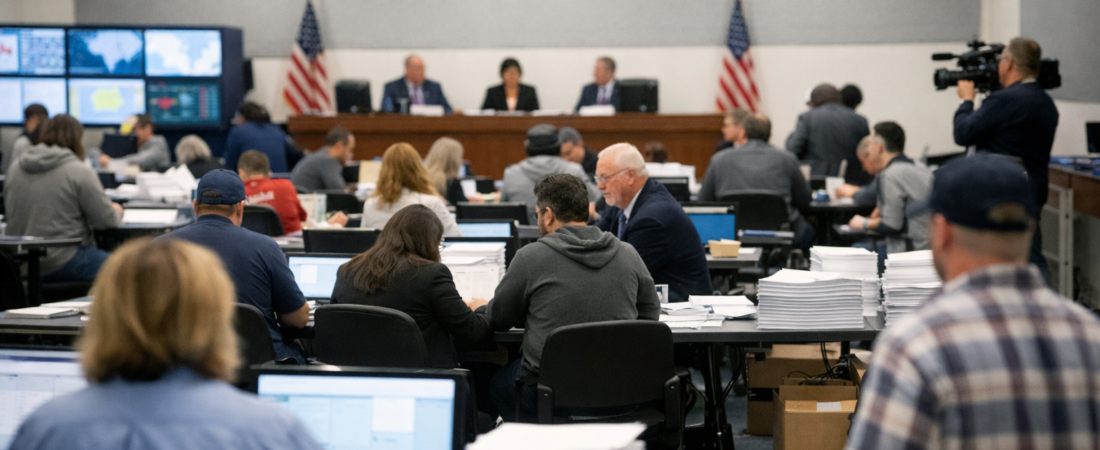
Before judging the criticism, you need to understand what the National Election Commission actually does. Established under Korea’s Constitution, this independent body manages every major election in the country. Presidential races, National Assembly elections, and local votes all fall under its authority.
Korea created this Commission with a specific historical lesson in mind. Decades ago, authoritarian governments manipulated elections to stay in power. Democratization in 1987 brought a new commitment: elections needed an independent referee, free from government interference.
That independence became the Commission’s greatest strength. It also became, ironically, its greatest vulnerability. Independent institutions answer to fewer external checks, which means their internal culture matters enormously.
Think of it like a referee in a championship match. Fans trust the game only if they trust the referee’s neutrality. The National Election Commission has long enjoyed that kind of public trust, built over more than three decades of relatively clean elections.
But trust, once earned, requires constant maintenance. You cannot simply assume an institution stays fair forever just because it was designed that way. Regular oversight, audits, and public scrutiny remain essential, even for bodies built on strong constitutional foundations.
Compared to election bodies in other democracies, Korea’s National Election Commission holds unusually broad authority. It runs elections, resolves disputes, and even manages certain political funding rules. This concentration of power makes internal transparency even more critical than in systems where responsibilities spread across multiple agencies.
Inside the National Election Commission Controversies

Let’s break down each controversy raised this week, starting with the contract issue. Lawmakers found that the National Election Commission had awarded no-bid contracts to businesses linked to former staff members or their relatives. This practice, sometimes called “revolving door” procurement, undermines fair competition and invites favoritism.
Why does this matter so much for an election authority specifically? Because public confidence depends on the perception that every process, from vote counting to vendor selection, follows strict and equal rules. Even minor irregularities in contracting can cast doubt on the Commission’s broader integrity.
The second issue involved reference materials shared during election petition proceedings. Election petitions allow candidates or parties to formally challenge results they believe were flawed. If the National Election Commission shared internal materials selectively or inconsistently during these proceedings, it raises fairness concerns for everyone involved in that dispute process.
Transparency in petition handling protects losing candidates just as much as winning ones. Without consistent rules, every future petition risks becoming a battle over procedure rather than substance.
The third controversy, involving so-called “twin vote” results, proved the most politically charged. Critics pointed to instances where vote totals in certain precincts appeared unusually identical or matched in ways that seemed statistically improbable. The National Election Commission has faced similar questions in past election cycles, though investigations historically found administrative rather than fraudulent explanations.
Still, appearances matter in a democracy. Even innocent statistical coincidences can fuel public suspicion if not explained clearly and quickly. During this hearing, representatives of the National Election Commission acknowledged that certain practices required review, and in some cases, admitted they were inappropriate.
That admission itself marks a notable moment. Institutions rarely concede fault publicly unless pressure becomes difficult to ignore. For readers wanting the full committee record and broader legislative context, the Yonhap News Agency provides additional background on this ongoing investigation.
Why This Matters for Korean Democracy
So why should you care about an internal audit dispute inside one government agency? Because the National Election Commission sits at the heart of Korea’s entire democratic system. When its credibility wavers, the ripple effects reach every voter, every candidate, and every future election outcome.
Korea has built an impressive democratic track record since 1987. Peaceful transfers of power, competitive elections, and generally high voter trust set Korea apart in the region. That reputation took decades to build, but reputations built slowly can erode quickly if institutions lose public confidence.
Consider how other countries have handled similar institutional trust crises. In the United States, disputes over election administration have deepened political polarization for years. Korea has largely avoided that fate, precisely because its National Election Commission maintained a reputation for neutrality.
This week’s hearing suggests that reputation now needs active repair, not just protection. What happens next depends heavily on how seriously the Commission treats these findings. Will it implement genuine reforms, or will promises to “review” issues simply fade after headlines move on?
Lawmakers from both parties now share responsibility for follow-through. Oversight hearings mean little if they produce no lasting policy change. The National Election Commission itself must decide whether transparency becomes a permanent practice or merely a temporary response to political pressure.
For everyday Korean citizens, this story carries real stakes. Every election depends on public confidence that votes get counted fairly and contracts get awarded honestly. Losing that confidence, even partially, makes future elections harder to defend against accusations of manipulation, regardless of whether those accusations hold merit.
Global observers of Korean politics should watch this story closely too. Korea often serves as a democratic model for other nations navigating similar institutional challenges. How the National Election Commission responds to this scrutiny could influence how election bodies elsewhere approach their own transparency reforms.
Looking ahead, expect continued legislative pressure on the National Election Commission in coming months. Committee members have signaled they want concrete reforms, not just verbal acknowledgments. Whether genuine change follows will tell us much about the resilience of Korean democratic institutions.
What do you think about the challenges facing the National Election Commission right now? Does an independent election body need more external oversight, or would that oversight risk compromising its neutrality?
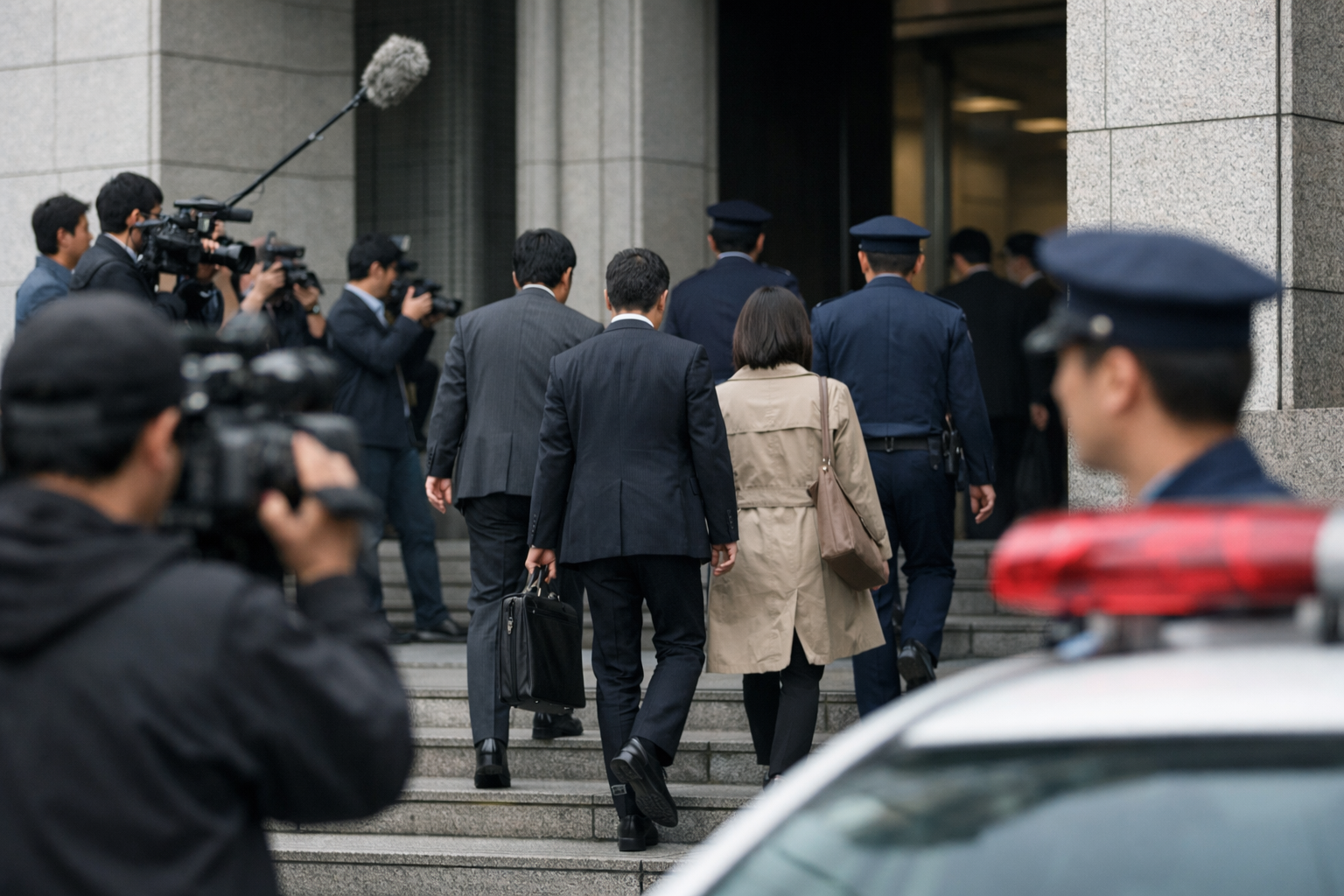
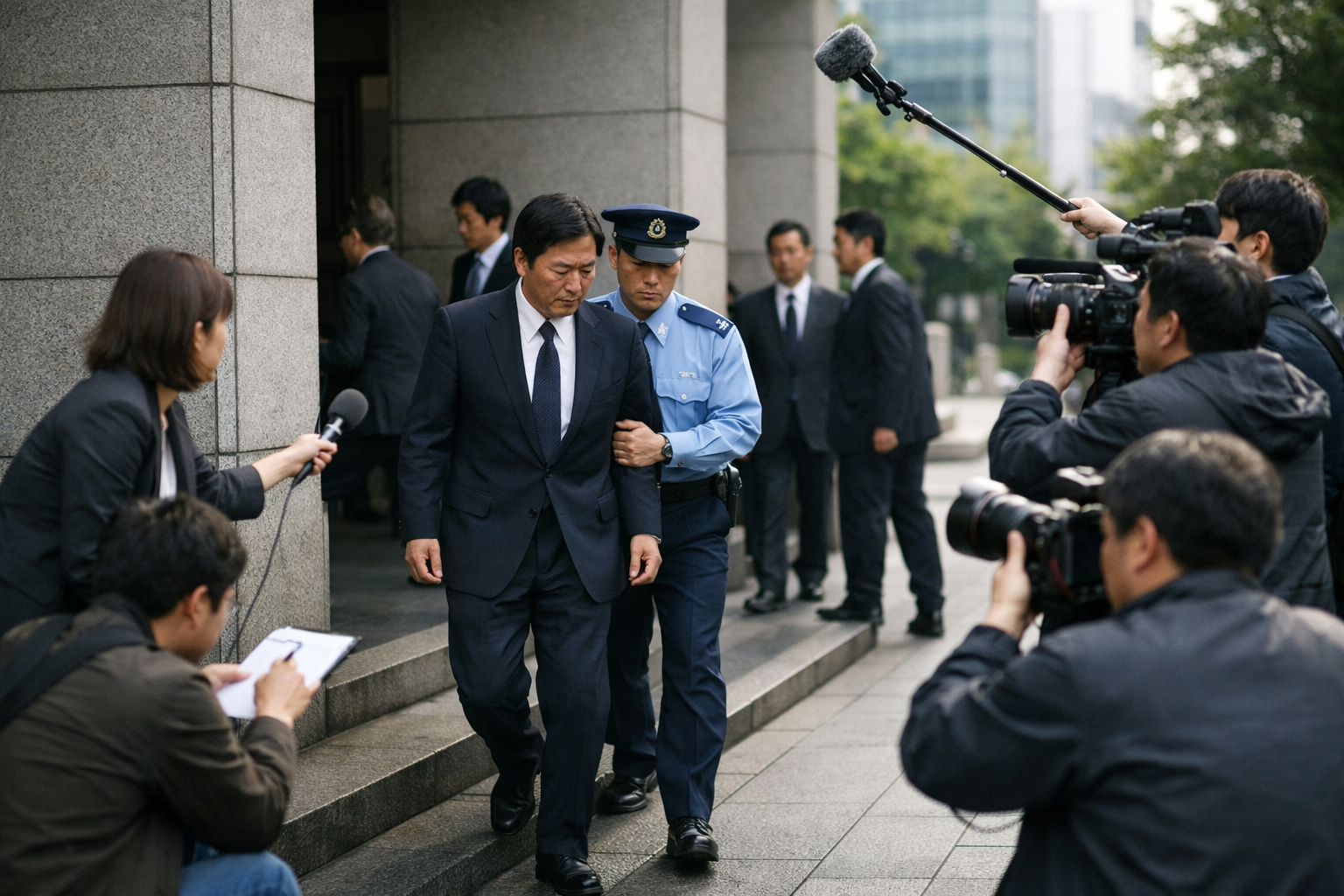
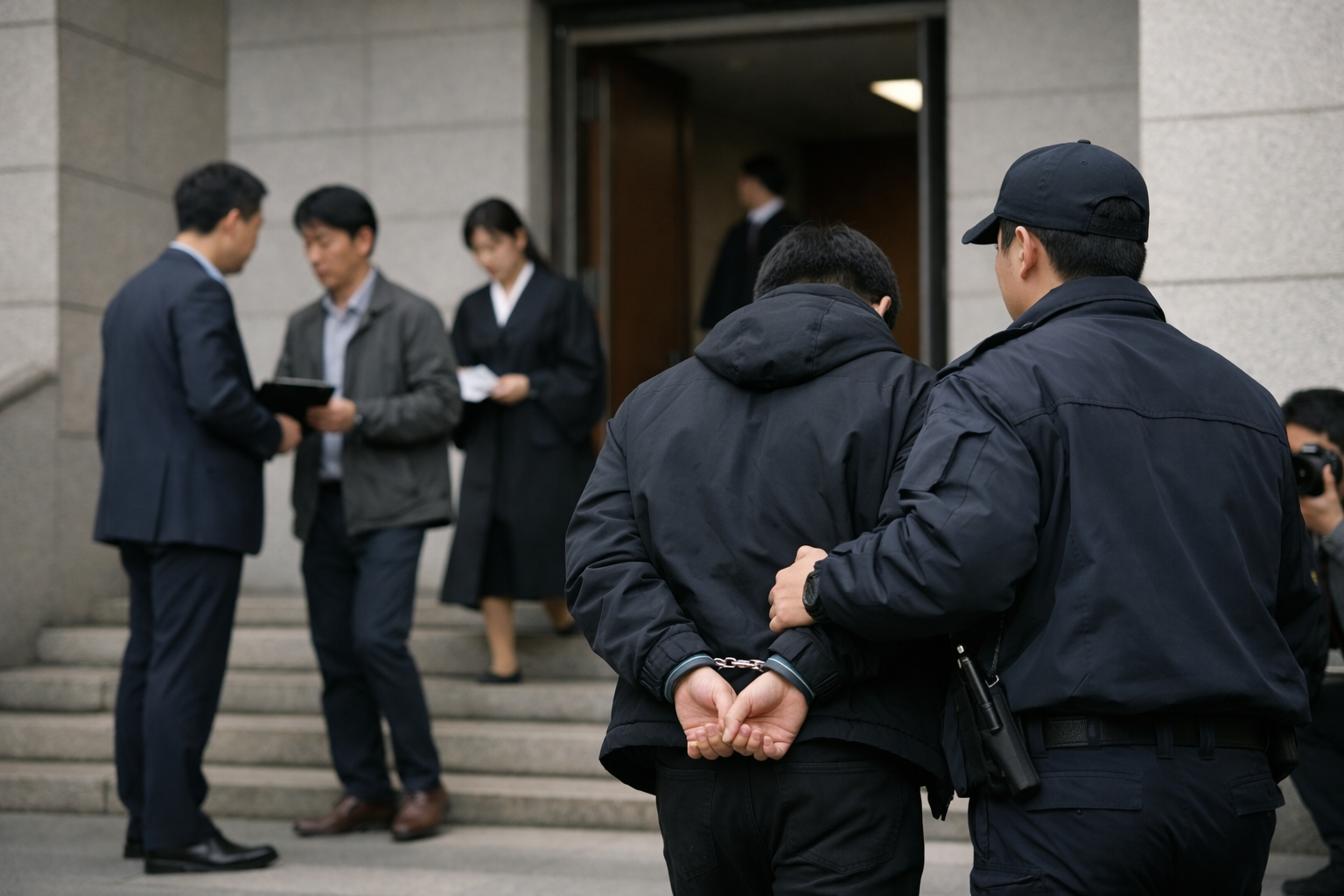
AI-Generated Photorealistic Image — All people, scenes, and details in this image are entirely AI-generated and fictional. Not a real photograph of an actual person or event. 이 이미지는 AI로 생성된 가상 이미지입니다.

Leave a Reply