Table of Contents
What happens when a ruling party can’t agree on its own reform promise? That’s exactly the question shaking the Democratic Party of Korea right now, as a fight over prosecutorial supplementary investigation authority splits the party into open camps. This isn’t a quiet policy disagreement.
It’s a public argument playing out between one of Korea’s most recognized political commentators and sitting lawmakers. And at the center of it all sits President Lee Jae-myung, whose silence has become as loud as any statement.
What Is Prosecutorial Supplementary Investigation Authority, Really?
Let’s back up for a second. What exactly is prosecutorial supplementary investigation authority, and why does it matter so much to Korean politics?
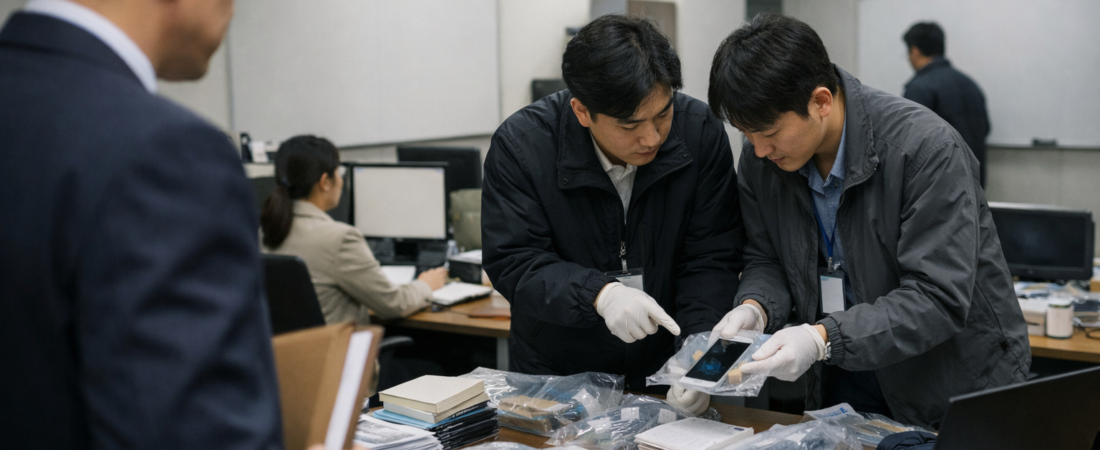
In simple terms, this authority lets prosecutors continue investigating a case even after police have already handed it over for indictment. Think of it as a second layer of investigative power. Prosecutors can request more evidence, question witnesses again, or dig deeper before deciding whether to formally charge someone.
Reform-minded lawmakers have long argued this authority gives prosecutors too much control. Their goal is what Koreans call “complete separation of investigation and indictment” — splitting the job of investigating crimes from the job of deciding whether to prosecute them.
Sounds reasonable on paper, right? But here’s where it gets complicated.
Critics worry that removing prosecutorial supplementary investigation authority too quickly could weaken the justice system’s ability to catch mistakes or missing evidence. Supporters counter that keeping this authority preserves an old, unchecked concentration of power. This tension between speed and caution is exactly what’s fueling the current clash inside the Democratic Party.
To understand why this debate feels so urgent, you need some historical context. Korea’s prosecutorial reform movement stretches back years, tied closely to public anger over prosecutors who seemed to serve political interests rather than justice.
The push to strip prosecutors of investigative power gained real momentum during the previous Moon Jae-in administration. Many reformers see full separation of investigation and prosecution as unfinished business from that era. That history explains why this issue triggers such strong emotions today.
The Spark: Yoo Si-min’s Criticism of Lee Jae-myung
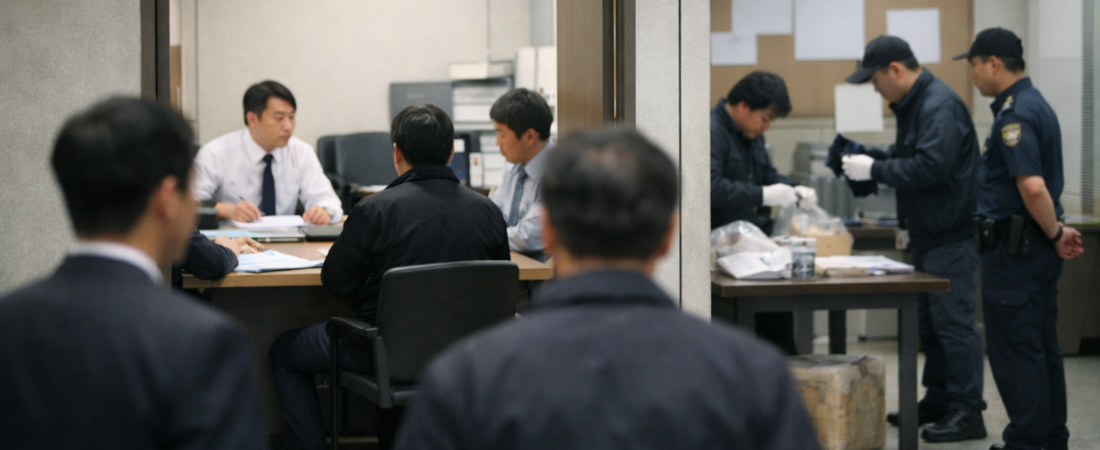
Author and political commentator Yoo Si-min lit the fuse on this controversy. He publicly claimed that President Lee Jae-myung does not actually want complete separation of investigation and prosecution.
According to Yoo, this reluctance is the real reason prosecutorial reform keeps stalling. That’s a bold accusation to level at your own party’s president.
Why would Yoo Si-min make such a claim? As one of the most influential progressive voices in Korea, his words carry weight far beyond a typical online comment. He suggested that ending prosecutorial supplementary investigation authority entirely has been quietly delayed, not by legislative gridlock, but by presidential preference.
If true, that reframes the entire debate. It’s no longer just lawmakers disagreeing on timing. It becomes a question of whether the president himself is blocking a signature reform his own party has championed for years.
Is this fair criticism, or is Yoo Si-min overstepping? That’s the question dividing Democratic Party supporters right now.
Some see his comments as necessary accountability, even toward allies. Others view it as reckless, potentially damaging party unity ahead of future legislative battles. Either way, Yoo’s remarks forced prosecutorial supplementary investigation authority back into the national conversation, and party insiders have not stayed quiet.
Pushback from Within: Park Jie-won and Jang Cheol-min Fire Back
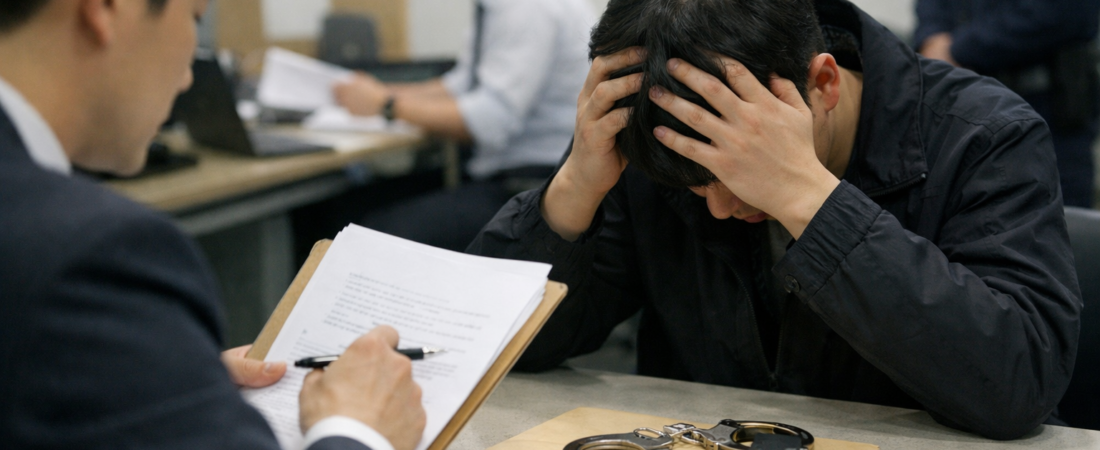
Lawmakers didn’t wait long to respond. Park Jie-won and Jang Cheol-min, both sitting Democratic Party members, pushed back hard against Yoo Si-min’s characterization.
Their objection wasn’t just about defending the president. It was about defending the party’s careful approach to reform.
Park Jie-won, a veteran political figure known for his sharp tongue and decades of experience, rejected the idea that President Lee is secretly obstructing reform. Jang Cheol-min echoed similar frustration, arguing that responsible governing sometimes requires patience rather than speed.
Why does this distinction matter so much? Because it exposes a deeper philosophical split inside the ruling party.
One side believes prosecutorial supplementary investigation authority must be eliminated immediately and completely, treating any delay as betrayal. The other side argues for careful, staged reform — removing this authority gradually while monitoring the justice system’s ability to adapt. Both sides claim to want the same outcome, yet they clash sharply over method and timing.
This is where party leadership finds itself squeezed. Some lawmakers are now pushing what’s being called a “limited allowance” proposal.
Under this approach, prosecutors would keep a narrow version of prosecutorial supplementary investigation authority, rather than losing it outright. Supporters call this a practical compromise, one that satisfies public safety and prosecutorial reform goals. Opponents, including reformers aligned with Yoo Si-min’s camp, view it as reform in name only, a watered-down promise that doesn’t match years of party rhetoric.
You can see why this fight has become so personal. It’s not simply about legal procedure.
It’s about whether the Democratic Party keeps its word to voters who supported prosecutorial reform as a core campaign promise. For readers outside Korea trying to follow the debate, resources like Korean News Report offer additional coverage of how this conflict has unfolded inside the party.
Where This Debate Is Headed Next
So, what happens now? Party leadership appears to be choosing a slower, more cautious pace, frustrating reform advocates who wanted swift action on prosecutorial supplementary investigation authority.
This “speed control” strategy, as some lawmakers describe it, aims to avoid rushing legislation that could backfire politically or legally. But slowing down carries its own risks.
Every month without a final decision on prosecutorial supplementary investigation authority gives critics more ammunition. Yoo Si-min’s supporters will likely keep pressing the narrative that President Lee lacks real commitment to reform.
Meanwhile, lawmakers like Park Jie-won and Jang Cheol-min will continue defending a measured approach as responsible governance, not obstruction. Who wins this argument? That probably depends less on legal logic and more on public patience.
If voters start feeling like prosecutorial reform has quietly died, pressure on party leadership will intensify fast. If the limited allowance proposal gains traction as a workable middle ground, the party might avoid a deeper rift altogether.
There’s also a broader lesson here about Korean democracy itself. Reform movements rarely move in straight lines.
They zigzag, stall, and reignite depending on political timing, public mood, and internal party dynamics. The fight over prosecutorial supplementary investigation authority is a textbook example of how even a ruling party with a clear majority can struggle to align on execution, even when everyone agrees on the general goal.
For global readers watching Korean politics, this moment offers a useful window into how democratic institutions actually function. Grand reform promises sound simple during campaigns.
Implementing them, especially something as technical and consequential as prosecutorial supplementary investigation authority, exposes real disagreements that campaign slogans conveniently hide. Korea’s current struggle mirrors debates in other democracies over police power, judicial oversight, and checks on prosecutorial discretion.
Watching how the Democratic Party resolves this internal clash could offer insight into how quickly — or slowly — structural legal reform actually happens once a party holds real power. Will Lee Jae-myung’s administration ultimately move to eliminate prosecutorial supplementary investigation authority completely, or will the limited allowance compromise become the final answer? What do you think about Korea’s approach to balancing prosecutorial power with the demand for faster institutional reform?
AI-Generated Photorealistic Image — All people, scenes, and details in this image are entirely AI-generated and fictional. Not a real photograph of an actual person or event. 이 이미지는 AI로 생성된 가상 이미지입니다.


Leave a Reply