
Table of Contents
Ahn Jung-hwan, the former South Korea national team star turned broadcaster, donated 64 million won to his alma mater Ajou University. The gift funds treatment for children fighting cancer. It also pushed his cumulative donations to Ajou University past 500 million won.
That’s a striking number for one former athlete to reach. Why does a retired soccer player keep writing checks for a hospital ward he never played in? The answer says a lot about what Ahn Jung-hwan values now, years after his last World Cup goal.
Ahn Jung-hwan’s Latest Gift
The donation announced this week totals 64 million won, directed specifically toward pediatric cancer patients. Ajou University Hospital, located in Suwon, treats many of these young patients. Ahn Jung-hwan chose this cause deliberately, according to Yonhap News.
He graduated from Ajou University, and that connection clearly still matters to him. You might expect a famous athlete to donate anonymously or quietly. Instead, Ahn Jung-hwan has built a public, traceable record of giving back to the school that shaped him.
This latest contribution isn’t a one-time gesture. It’s part of a much longer pattern, one that now spans years and adds up to something remarkable. Half a billion won doesn’t happen by accident.
A Decade of Giving Back

With this donation, Ahn Jung-hwan’s total giving to Ajou University reaches 500 million won. Think about that figure for a second. Few former athletes anywhere sustain this level of commitment to a single institution over such a long stretch.
Ahn Jung-hwan became a household name during South Korea’s unforgettable run to the 2002 World Cup semifinals. His golden-goal header against Italy remains one of Korean sports’ most replayed moments. But his post-retirement identity has shifted just as dramatically, from national hero on the field to a steady philanthropic presence off it.
Consistency is the real story here, not the size of any single check. Many celebrities donate once, generate headlines, then move on. Ahn Jung-hwan keeps coming back, year after year, to the same cause and the same school.
That pattern builds something harder to fake than a single grand gesture: trust. Donors who give repeatedly, quietly, without needing fresh applause each time, tend to be the ones institutions can actually plan around.
Why Childhood Cancer Care Needs Support
Pediatric cancer treatment is expensive, emotionally exhausting, and often stretches on for years. Families frequently face costs that outpace their savings and their insurance coverage combined. Hospitals like Ajou University Hospital rely on outside funding to fill gaps that public healthcare alone cannot close.
Why does private giving matter so much here? Government healthcare in South Korea is strong by global standards, but specialized pediatric oncology care still requires extra resources, equipment, and staff. Donations from figures like Ahn Jung-hwan help hospitals afford things that stretched budgets simply can’t cover on their own.
South Korea has a strong tradition of celebrity philanthropy tied to specific hospitals or causes. Actors, singers, and athletes often adopt one institution and support it for decades. This isn’t unique to Ahn Jung-hwan, but his consistency puts him near the top of that list.
Childhood cancer survival rates have improved significantly in recent decades, partly due to better funding and research. Every donation, no matter how modest it seems next to a 500 million won total, contributes to that slow, steady progress. Small gifts and large ones both matter in this equation.
What This Says About Athlete Legacy
Retired athletes face a strange question once the cheering stops. What do you do with fame after the trophies stop coming? Ahn Jung-hwan seems to have answered that question by turning his platform into something lasting for sick children.
There’s a real tension worth naming here. Celebrity philanthropy sometimes functions more as image management than genuine care, and skeptics are right to ask hard questions about motive. But repeated, unpublicized giving over more than a decade is much harder to explain as pure marketing than a single splashy donation would be.
Long-term commitment like this also reveals something about how communities actually heal and rebuild. No single donor, however generous, can fix a hospital system’s funding gaps alone. Real progress happens when public institutions, private donors, and ordinary supporters all keep showing up together, imperfectly but persistently, year after year.
Looking ahead, stories like this one may quietly shift what Korean fans expect from their sports heroes. Athletic talent fades with age, but the choice to keep giving doesn’t have an expiration date. Ahn Jung-hwan’s 500 million won milestone shows that legacy can be built long after the final whistle blows.
What do you think drives someone to keep giving for over a decade without fading interest? And should more athletes, in Korea or anywhere else, follow this kind of sustained, alma-mater-focused giving model?
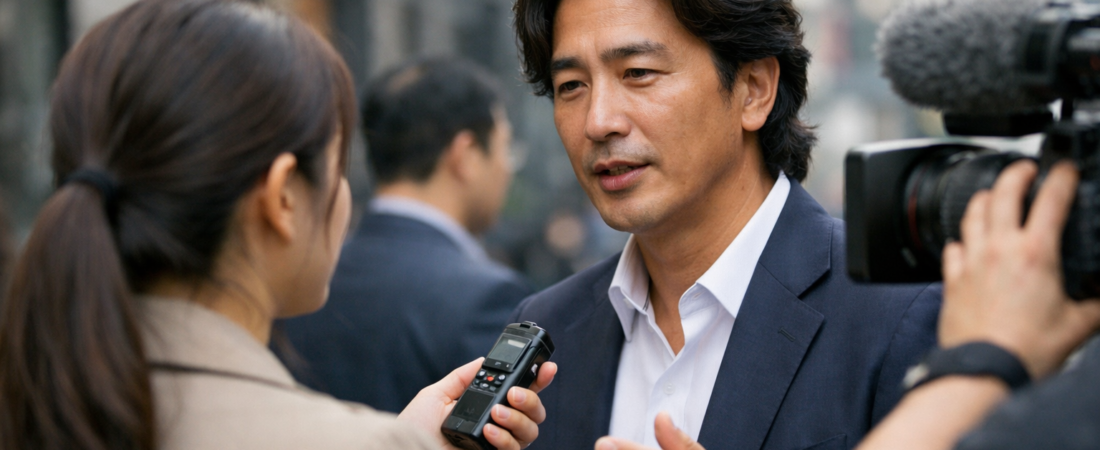
AI-Generated Photorealistic Image — All people, scenes, and details in this image are entirely AI-generated and fictional. Not a real photograph of an actual person or event. 이 이미지는 AI로 생성된 가상 이미지입니다.




Leave a Reply