Table of Contents
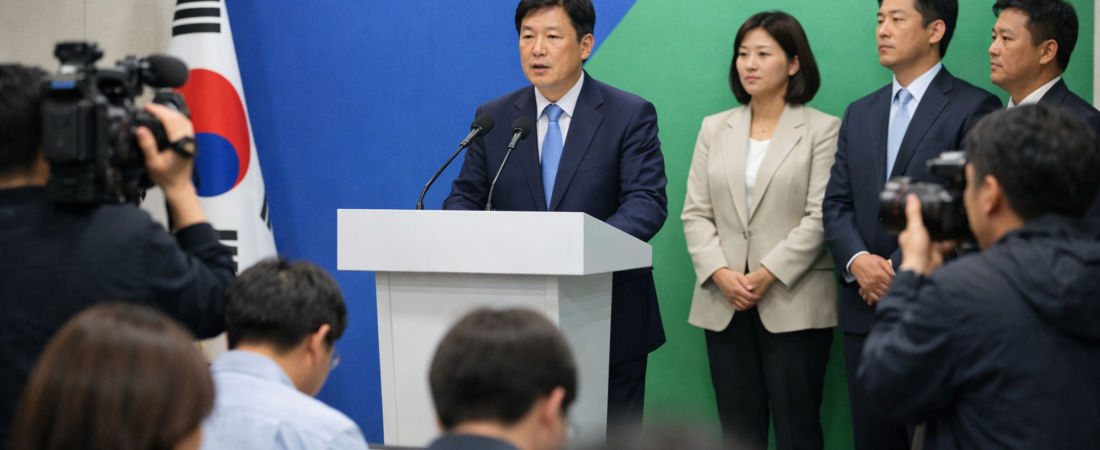
What happens when a ruling party decides prosecutors should never investigate on their own again? That question is now front and center in Korean politics. The Democratic Party has reaffirmed its plan to completely abolish what’s called the “supplementary investigation power” of prosecutors, and the decision is sending ripples through the legal and political world.
This isn’t a small technical tweak. It’s a fundamental shift in how criminal justice works in South Korea. And the Democratic Party wants it done fast, before its own party convention arrives.
What the Democratic Party Just Announced
Party leadership made its position crystal clear this week. There is, they say, no internal disagreement on the core principle: prosecutors should not conduct direct investigations. Period.
The Democratic Party’s stance builds on years of reform efforts aimed at separating investigation power from indictment power. Supplementary investigation authority lets prosecutors step back into a case even after police have finished their work. The Democratic Party now wants that door closed entirely.
Leadership is pushing hard to pass the relevant bill before the party convention takes place. Why the rush? Timing matters in Korean politics, and party leaders clearly want this reform locked in before internal leadership races shift attention elsewhere.
For readers unfamiliar with Korean legal structure, this move continues a broader trend. Since 2020, the Democratic Party has led multiple waves of prosecution reform, gradually stripping prosecutors of direct investigative authority in areas like corruption and financial crimes. This latest push aims to finish that job entirely.
Why Prosecutorial Power Is Such a Big Deal in Korea
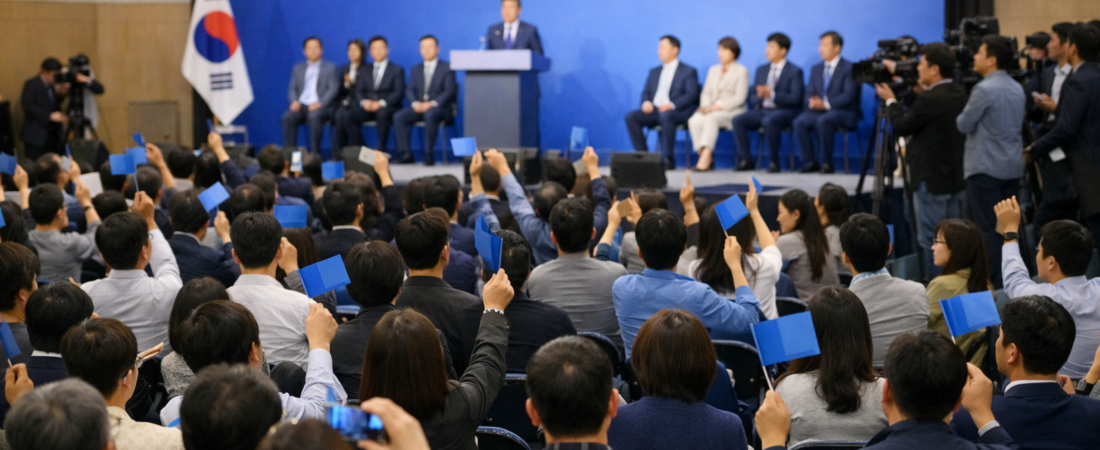
Have you ever wondered why prosecutors hold so much political weight in Korea? Unlike in many Western countries, Korean prosecutors historically held both investigation and indictment powers combined. That concentration of authority made the prosecution office one of the most feared institutions in the country.
Critics long argued this dual power let prosecutors target political rivals selectively. Supporters countered that removing investigative tools weakens the fight against complex crimes like bribery and corporate fraud. Both sides have valid points, and that’s exactly why this debate refuses to die down.
The Democratic Party’s current push fits into a larger ideological project. Reformers within the party see complete separation of investigation and prosecution as the final step toward “checks and balances” in Korea’s justice system. You could call it the last chapter of a reform saga that started years ago.
But eliminating supplementary investigation power entirely raises practical questions too. What happens when police investigations turn up incomplete evidence? Without any prosecutorial follow-up authority, some legal experts worry certain cases could simply fall through the cracks.
This tension between ideological principle and practical function sits at the heart of the current Democratic Party debate. It’s not just about political power. It’s about whether Korea’s justice system can still catch complicated crimes without prosecutorial backup.
The Democratic Party’s Internal Divide
Here’s where things get interesting. Not everyone inside the Democratic Party agrees with the leadership’s full-abolition approach. A growing group of cautious voices wants to preserve limited supplementary investigation powers, at least for certain categories of crime.
These moderate voices argue that a total ban could backfire. If police investigations stall or miss key evidence, who steps in to finish the job? That’s the exact question worrying lawmakers who favor a middle-ground solution.
Yet party leadership seems unmoved, at least publicly. They insist there is no daylight between members on the core principle, even as the more nuanced debate about limited exceptions clearly continues behind closed doors. This creates an interesting dynamic within the Democratic Party itself.
Party unity matters enormously ahead of a leadership convention. Showing internal disagreement on a signature policy could weaken the party’s negotiating position. So leadership may be projecting confidence in public while quieter conversations about compromise continue in private meetings.
This pattern isn’t new in Korean party politics. Major legislative pushes often get framed as unanimous even when internal debate simmers underneath. The real test will come when the bill actually reaches a vote, revealing whether cautious lawmakers hold their ground or fall in line with leadership.
For readers tracking Korean legislative trends, this internal split within the Democratic Party mirrors similar debates seen in past reform packages, including the 2022 prosecution reform battle that dominated headlines for months. History suggests these disputes rarely stay quiet for long.
Lawmakers Take Their Fight to the Streets
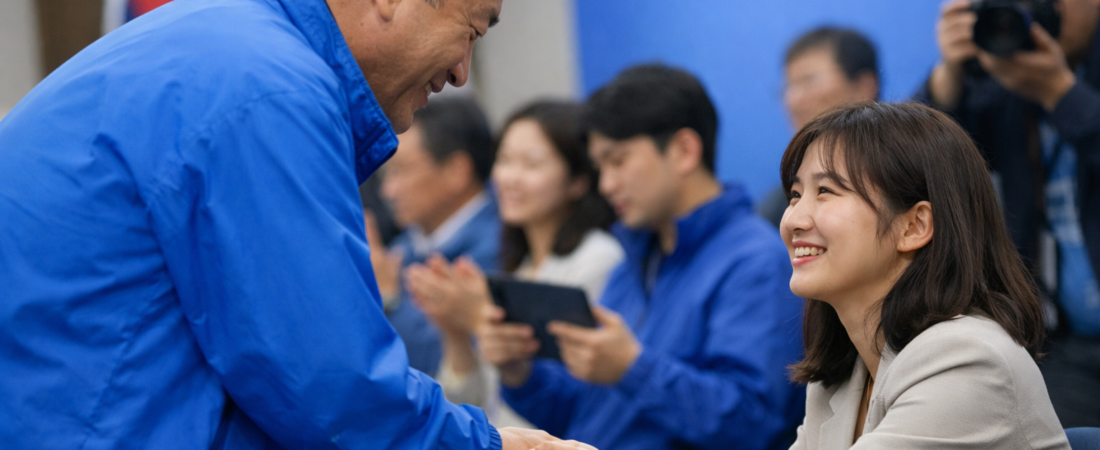
While leadership debates legislative strategy, another storyline is unfolding in real time. Democratic Party lawmakers have grown increasingly vocal about how prosecutors are handling ongoing investigations. Some have staged protest visits directly to prosecution offices.
Others have called emergency legislative questioning sessions to demand answers. This isn’t just political theater. These actions reflect genuine frustration among Democratic Party members who feel prosecutors are overstepping boundaries even as reform legislation moves forward.
Think about the optics here. A party trying to strip prosecutorial power while simultaneously accusing prosecutors of misconduct sends a powerful message to voters. It reinforces the narrative that prosecutorial reform is urgent and overdue.
Emergency questioning sessions, known in Korean parliamentary procedure as a tool for immediate accountability, allow lawmakers to summon officials for direct explanations. When Democratic Party members invoke this tool against prosecutors, it signals serious institutional friction. It also shows how quickly political tension can escalate around sensitive justice reform issues.
You might ask: does this protest activity help or hurt the party’s legislative goals? On one hand, it builds public pressure and keeps the issue in headlines. On the other hand, critics could argue it politicizes ongoing investigations in ways that undermine judicial independence.
Readers interested in following how Korean media covers these developments can check ongoing coverage through outlets like Korea News Source, which has tracked this story closely. Understanding both the legislative debate and the street-level political theater gives you the full picture of what’s happening.
What This Means Going Forward
So where does this leave Korea’s justice system? The Democratic Party appears determined to push its complete abolition plan through before the party convention. But internal caution voices haven’t disappeared, and they could resurface once the bill reaches a formal vote.
This story matters beyond Korea’s borders too. Countries around the world continue wrestling with how to balance prosecutorial power against political accountability. Korea’s experiment with fully separating investigation and indictment functions offers a real-world case study other democracies may eventually study.
Will the Democratic Party succeed in passing this legislation on its accelerated timeline? Will the cautious lawmakers find enough votes to preserve limited exceptions? These questions will likely dominate Korean political coverage in the coming weeks.
One thing seems certain: the Democratic Party has made prosecutorial reform a defining issue of its current leadership era. How this plays out will shape not just legal procedure, but public trust in Korea’s entire justice system for years to come.
What do you think about the Democratic Party’s push to fully abolish prosecutorial investigation power? Does complete separation strengthen democracy, or does it risk leaving dangerous gaps in Korea’s justice system?
AI-Generated Photorealistic Image — All people, scenes, and details in this image are entirely AI-generated and fictional. Not a real photograph of an actual person or event. 이 이미지는 AI로 생성된 가상 이미지입니다.


Leave a Reply