Table of Contents
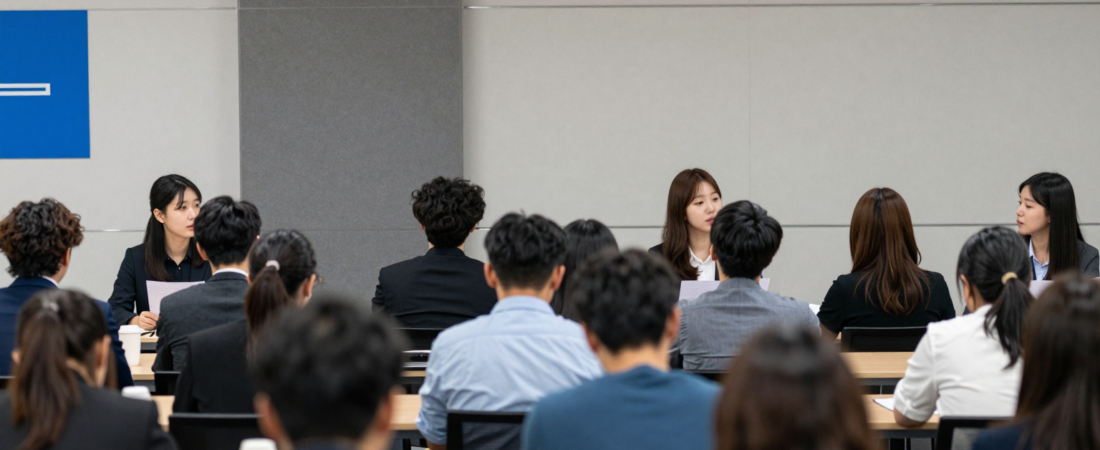
A single bowl of kimchi fried rice can teach GDP, inflation, and the flow of economic cycles. That is the core idea behind a growing style of economic education in Korean classrooms, where everyday food becomes the lesson plan. Teachers use the price of rice, kimchi, and eggs to show students how production, consumption, and prices connect in real life.
Why does a plate of fried rice matter more than a textbook chart? Because you can taste it, price it, and track it every week at the grocery store. This hands-on version of economic education turns abstract numbers into something students actually live through.
Why a Bowl of Rice Explains the Economy
Think about everything that goes into one bowl of kimchi fried rice. Rice comes from a farm, kimchi from a fermentation process, eggs from a farm supply chain, and the pan itself from a factory somewhere else entirely.
Every ingredient represents a small piece of the national economy. When the price of one item rises, students can trace why — a bad harvest, a fuel cost increase, or higher demand.
This is the heart of practical economic education: showing that GDP is not just a number on the news. It is the sum of millions of small transactions, including the one at your neighborhood market.
(Yes, someone really did build an entire lesson plan around fried rice — turns out economics tastes better with a side of kimchi.)
How Korean Economic Education Uses Daily Life
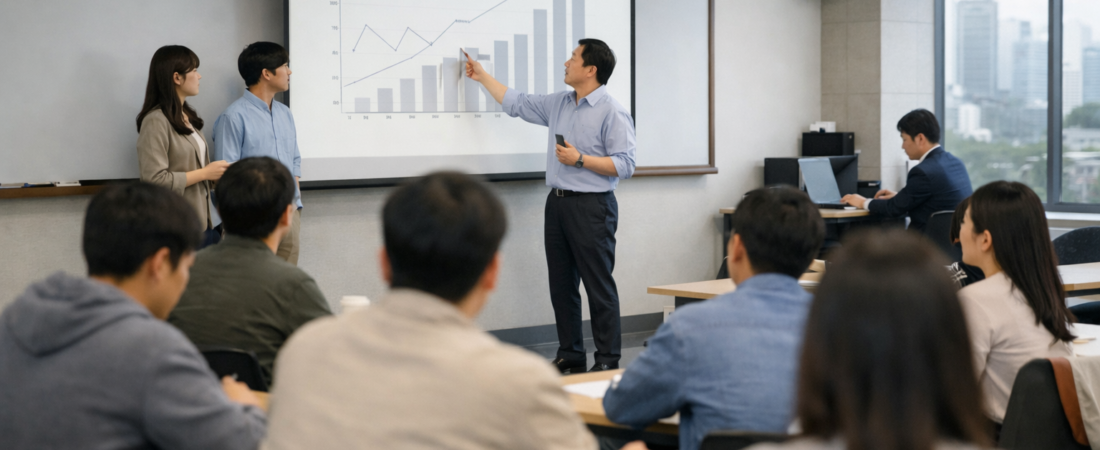
In this classroom approach, teachers start with a question students already care about: why did lunch get more expensive this year? From there, they introduce inflation, supply chains, and consumer behavior.
Instead of memorizing definitions, students track real price changes over weeks. They compare last month’s grocery receipt to this month’s and calculate the difference themselves.
This method reflects a broader shift in Korean economic education. Educators increasingly believe students learn best when concepts connect to something they already touch, taste, or buy.
You might ask, does this actually help students make better financial decisions later? The evidence suggests yes — familiarity with everyday economic patterns builds lasting financial literacy, not just exam-ready facts.
Groups like the Bank of Korea have supported similar public education efforts, encouraging citizens of all ages to understand basic economic indicators through relatable examples.
The Core Concepts Behind the Kimchi Fried Rice Lesson
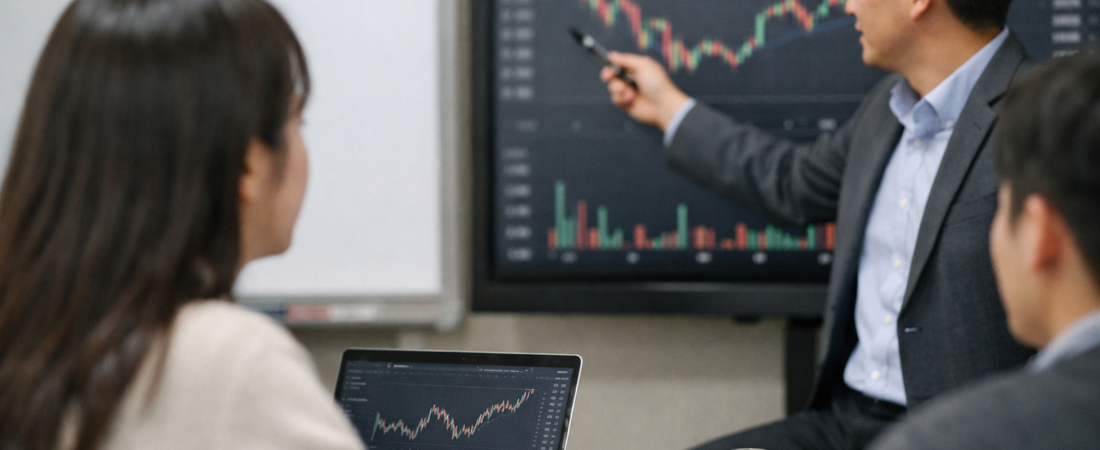
Let’s break down what a single dish can teach. First, GDP: the total value of goods and services produced, which includes the rice farmer’s harvest and the shop owner’s egg sales.
Second, inflation: when the price of kimchi jjigae ingredients rises faster than wages, your bowl of fried rice quietly gets more expensive. Third, economic cycles: booms and slowdowns affect how much people spend on simple comfort food versus fancier meals.
This is where economic education becomes personal rather than theoretical. Students realize that reading prices is a skill, not a chore.
Teachers often ask their classes a simple but powerful question: can you tell if the economy is doing well just by watching grocery prices? Most students discover that yes, with practice, they can start reading these signals themselves.
That skill — reading economic conditions rather than memorizing them — is exactly what this teaching style aims to build. It treats economic education as a lifelong habit, not a one-time school unit.
Why This Kind of Economic Education Matters for Learners Everywhere
Korea is not alone in searching for better ways to teach economics. Around the world, educators struggle to make GDP and inflation feel relevant to teenagers who mostly worry about lunch money and phone bills.
The kimchi fried rice method offers a transferable lesson: start with what people already care about, then build outward. This works whether the local dish is fried rice, tacos, or a loaf of bread.
Still, it is worth being honest about the limits of this approach. Teaching economics through daily food helps students grasp basic patterns, but it cannot fully replace deeper study of policy, markets, or global trade relationships.
The hopeful part is that curiosity sparked by a familiar dish often leads students toward exactly that deeper study later on. A good economic education does not need to choose between simple and rigorous — it can start simple and grow rigorous over time, the way a child’s interest in cooking can eventually lead to understanding entire supply chains.
There is something quietly encouraging in watching young people connect a school lesson to their own kitchen table. It reminds us that understanding the world does not always require distant theories or complicated jargon.
Sometimes the clearest path to wisdom runs through the most ordinary moments — a shared meal, a rising grocery bill, a shared question about why things cost what they cost. Real understanding grows not from complexity alone, but from paying attention to what is already in front of us.
Economic education, at its best, teaches people to notice patterns already present in their own lives. As this teaching style spreads, more students may grow into adults who read economic news with confidence rather than confusion.
What do you think — could learning economics through everyday food work in your own community?
AI-Generated Photorealistic Image — All people, scenes, and details in this image are entirely AI-generated and fictional. Not a real photograph of an actual person or event. 이 이미지는 AI로 생성된 가상 이미지입니다.
Leave a Reply