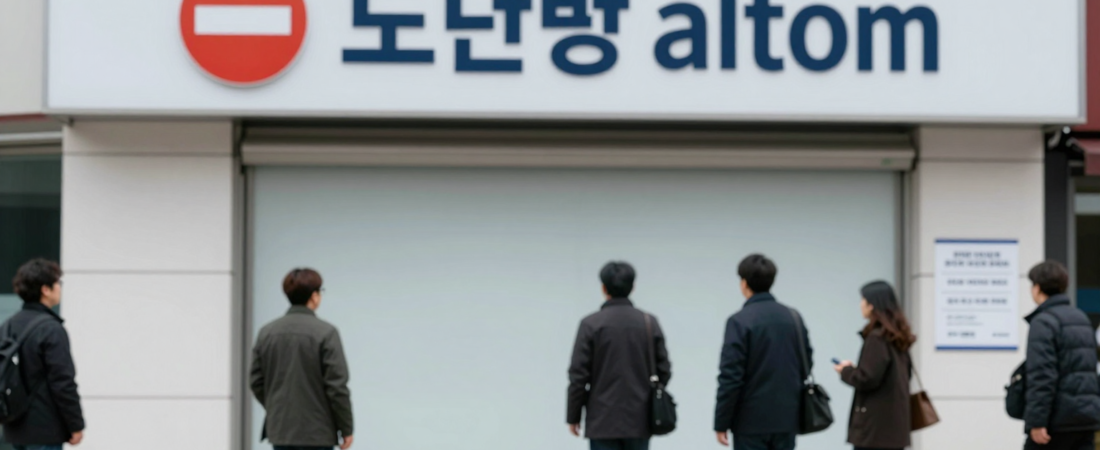
Grocery Bills Are Breaking Family Budgets
Low-income households in Korea spent an average of 890,000 won a month on food this year, according to new government data. That is a striking number for families already stretched thin. Rising food prices are hitting Korea’s poorest citizens far harder than everyone else, and the gap keeps widening.
In the second quarter of 2026, food costs for low-income earners rose more than twice as fast as the national average. Grocery prices climbed, but eating out got even more expensive. So why does inflation squeeze the poor so much harder than the rich?
The answer is simple math with painful consequences. Food takes up a much bigger slice of a low-income household’s budget than it does for wealthier families. When prices rise, there is less room to cut back or substitute.
Why Price Inflation Hits Harder at the Bottom
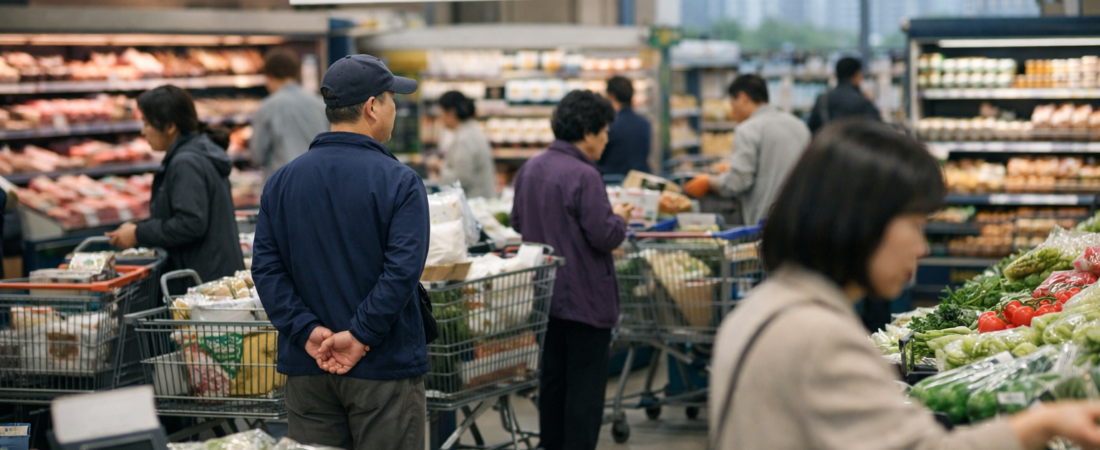
Wealthier households can absorb higher grocery bills by trimming other spending, like travel or entertainment. Low-income families often have no such cushion left to trim. Their budgets are already built around necessities, so food price inflation eats directly into survival spending.
Think about it this way. If your monthly income barely covers rent, utilities, and food, a 10 percent jump in grocery prices does not feel like an inconvenience. It feels like a crisis.
Economists call this a regressive effect, meaning inflation acts like an invisible tax that falls hardest on those least able to pay it. This pattern is not unique to Korea, but the speed of recent food price inflation here has made it especially visible. Restaurant meals, once an occasional treat, have become a luxury many low-income families now skip entirely.
According to Maeil Business Newspaper, the second-quarter data showed food and dining costs rising sharply across both grocery and restaurant categories. That combination matters. When both channels rise together, families lose their usual escape valve of choosing the cheaper option.
The Numbers Behind the Squeeze
Let’s look closer at what “89 man-won” actually means in daily life. That figure, roughly 890,000 won, represents food spending alone for some low-income households in a single month. For a family already juggling housing costs and utility bills, that number can consume nearly all disposable income.
Statistics Korea’s quarterly household survey found the food expenditure growth rate for the lowest income bracket more than doubled the overall national average. This is not a small statistical wobble. It represents a structural shift in how price inflation distributes pain across income levels.
Why does this matter beyond one quarter’s data? Because persistent price inflation compounds over time, and each new increase lands on a smaller and smaller cushion. A family that had no savings buffer last year has even less flexibility now.
Restaurant prices have risen due to higher ingredient costs, labor expenses, and energy bills passed down the supply chain. Grocery prices reflect similar pressures, from global commodity swings to domestic distribution costs. Put together, this creates a pincer effect on household food budgets, squeezing from both directions at once (imagine trying to save money by cooking at home, only to find the ingredients cost just as much as eating out).
What This Means for Korea’s Economic Future

Policymakers now face a familiar but urgent question. How do you fight overall price inflation while protecting the households most exposed to it? Broad monetary tools like interest rate changes affect everyone the same way, but their impact on daily life is anything but equal.
Targeted support, like food vouchers or subsidies for low-income households, has been proposed in past inflation cycles. These measures do not fix inflation itself, but they can soften its sharpest edges for the most vulnerable. Expanding such programs may become more urgent if food price inflation continues at this pace.
There is a harder truth here worth sitting with. Rising prices are not just numbers on a government report. They are real trade-offs at real dinner tables, where a parent decides between fresh vegetables and a cheaper substitute.
And yet, this is not a story without hope. Community food banks across Korea have reported growing volunteer support this year, and some local governments have expanded meal assistance for vulnerable households. The same economic pressure that exposes weakness in the system is also drawing out quiet, practical generosity from neighbors and local institutions, proof that shared struggle can still produce shared response.
Looking ahead, the direction of food price inflation over the next few quarters will matter more than any single month’s number. If grocery and dining costs stabilize, low-income households may finally get some breathing room. If they keep climbing, the gap between struggling and comfortable households will only grow wider.
What do you think Korea should prioritize first: broader price controls, or targeted help for the households hit hardest by inflation?
AI-Generated Photorealistic Image — All people, scenes, and details in this image are entirely AI-generated and fictional. Not a real photograph of an actual person or event. 이 이미지는 AI로 생성된 가상 이미지입니다.


Leave a Reply