Table of Contents
The Gangwon-do Special Self-Governing Provincial Office of Education runs the 19th Gangwon School Sports Club Festival across Sokcho City. Thousands of students compete in club-based games, showing off a year of practice. This event has grown into one of the province’s most anticipated youth sports gatherings.
Have you ever wondered what happens when an entire province stops to watch its own kids play sports? That’s essentially what unfolds in Sokcho every year around this time.
Students, teachers, and families gather across multiple venues, turning a quiet coastal city into a lively sports hub. The Gangwon-do Special Self-Governing Provincial Office of Education treats this festival as more than a game day. It’s a showcase of what community-based physical education can look like.
What Is the Gangwon School Sports Club Festival
School sports clubs are a core part of Korea’s public education system. Unlike varsity teams built for elite competition, these clubs welcome any student who wants to join. That inclusive design is exactly what the Gangwon School Sports Club Festival celebrates.
The festival gives students from across the province a chance to compete against peers they rarely meet otherwise. Rural and urban schools face off on equal footing. For many students, this is their first taste of organized competition outside their own hometown.
The Gangwon-do Special Self-Governing Provincial Office of Education organizes the event annually, and this year marks its 19th edition. Nineteen years is no small feat for a regional youth sports program. It reflects consistent institutional support, even as student populations and school budgets shift over time.
What sports can you expect to see? Typical events include soccer, basketball, badminton, and table tennis, though the exact lineup can change by year. The unifying theme stays the same: participation over pure performance, and community building over trophy counts.
Why Sokcho Is the Perfect Host City
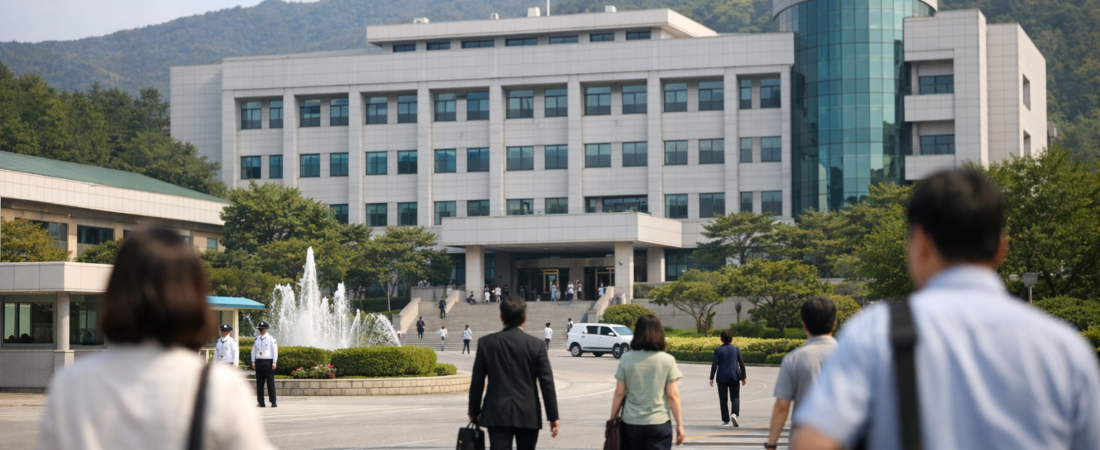
Sokcho sits on Korea’s east coast, known for its beaches, mountains, and fresh seafood. Choosing Sokcho as host puts the festival in a city built for outdoor activity. The setting matches the spirit of the event itself.
Why does the host city matter so much for an event like this? Because logistics shape experience, and Sokcho offers enough public facilities to handle multiple sports simultaneously across its urban area.
The city also benefits economically when thousands of students, parents, and staff arrive for two days. Local restaurants, guesthouses, and transportation services see a real boost. It’s a small but meaningful example of how youth sports events ripple outward into local economies.
Sokcho isn’t new to hosting large gatherings, either. Its tourism infrastructure, already built for beachgoers and hikers, adapts easily to sports festival crowds. If you’ve ever tried finding parking during Korea’s summer beach season, you know Sokcho can handle a crowd (yes, even a sports-cleat-wearing one).
How Gangwon-do Board of Education Builds Youth Sports

The Gangwon-do Special Self-Governing Provincial Office of Education oversees education policy for the entire province, including physical education programs. Youth sports clubs fall directly under this office’s responsibility. Their continued investment in events like this festival signals a broader philosophy about student development.
Korea’s education system has faced criticism for years over intense academic pressure on students. Long study hours and competitive exam culture leave little room for physical activity. School sports clubs emerged partly as a response to this imbalance, giving students structured time to move, compete, and simply play.
Does one annual festival fix decades of academic pressure? Of course not, and it would be dishonest to pretend otherwise. But it does represent a genuine, visible commitment from the Gangwon-do Special Self-Governing Provincial Office of Education to treat physical wellbeing as part of a complete education, not an afterthought squeezed into leftover time.
Programs like this also give quieter students a different kind of stage. Not every child excels in classroom settings, and sports clubs let different strengths shine. Recognizing that variety of talent matters just as much as recognizing academic achievement.
A Guide for Visitors Attending Future Editions
If you plan to visit Sokcho during a future Gangwon School Sports Club Festival, a little preparation goes a long way. Book accommodation early, since local guesthouses fill up fast during major events. Sokcho’s compact size makes walking between venues manageable, but a car or bus schedule still helps on busier days.
Bring comfortable shoes and weather-appropriate clothing, since most events happen outdoors across the city. Early September in Sokcho can swing between warm afternoons and cooler evenings. Checking local event schedules ahead of time, through resources like Yonhap News Agency, helps visitors plan around specific match times.
There’s something quietly moving about watching hundreds of ordinary students give their full effort in a game that will never make national headlines. No scouts are watching for pro contracts here, no scholarships hang in the balance for most participants. And yet the effort looks just as real, the disappointment after a loss just as raw, the joy after a win just as genuine.
That kind of unglamorous dedication says something about human nature worth noticing. People show up and try hard even when the stakes are small, even when no one outside their own town will ever know the score. At the same time, that same community closeness can quietly pressure students who’d rather sit out, reminding us that inclusion always works best when it leaves room for those who simply don’t want to compete.
Events like the Gangwon School Sports Club Festival will likely keep evolving as Korea’s youth population shifts and school resources change. The Gangwon-do Special Self-Governing Provincial Office of Education seems committed to keeping physical education visible and valued. Do you think local governments elsewhere invest enough in grassroots youth sports, or is Korea’s model worth studying more closely?
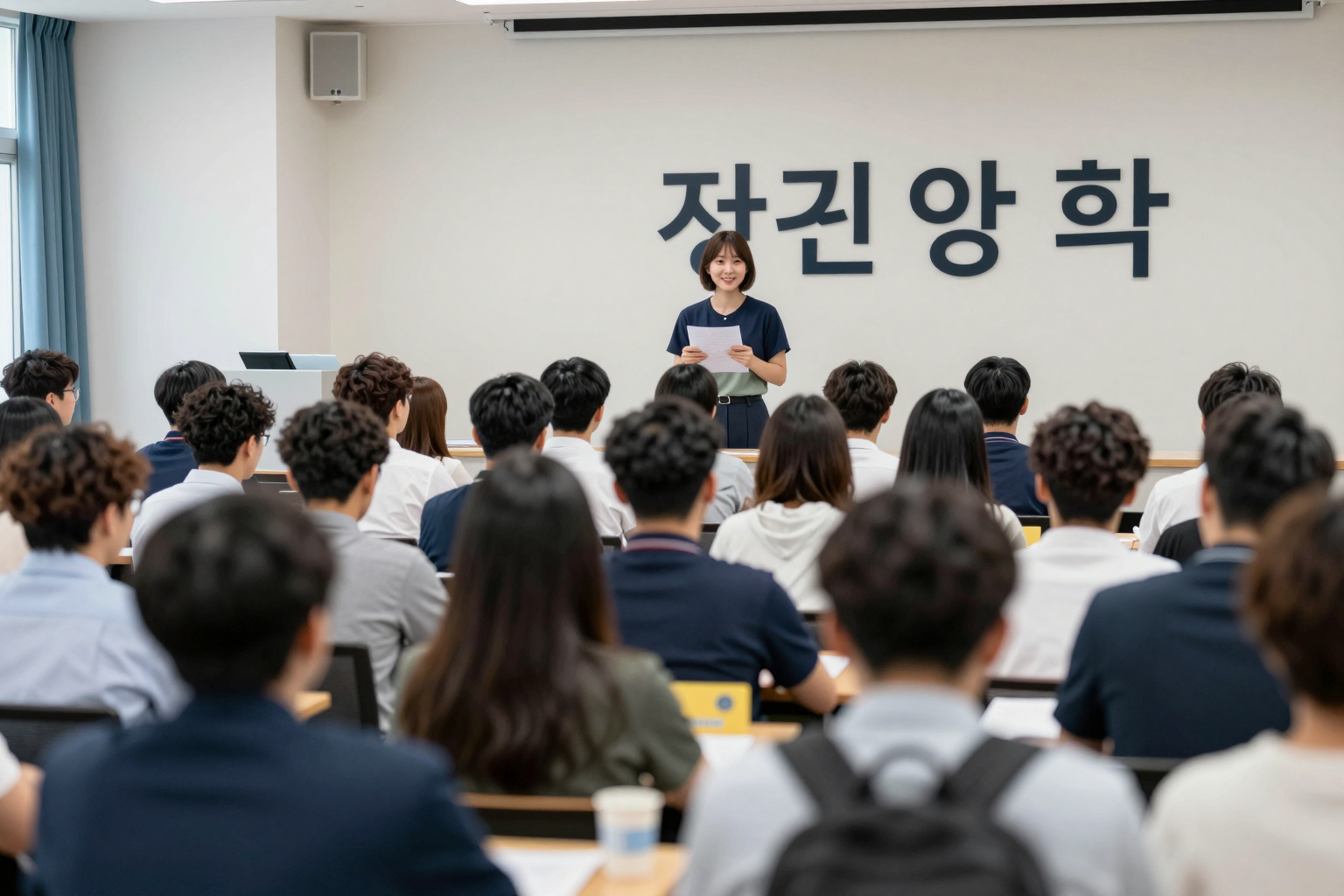
AI-Generated Photorealistic Image — All people, scenes, and details in this image are entirely AI-generated and fictional. Not a real photograph of an actual person or event. 이 이미지는 AI로 생성된 가상 이미지입니다.

Leave a Reply