Table of Contents
South Korea’s producer prices rose nearly 8% year-on-year, driven by a combination of high oil prices, a weaker won, and lingering summer heat effects. Gasoline and diesel costs are climbing again, just as families prepare for Chuseok holiday travel. The government has responded by extending fuel tax cuts through November and refreezing petroleum product price caps.
Did you think gasoline prices were only about the weather? Think again. As the summer heat wave finally breaks across Korea, a different kind of pressure is building at the pump and in grocery stores alike.
Gasoline Prices Climb Again as Heat Wave Fades
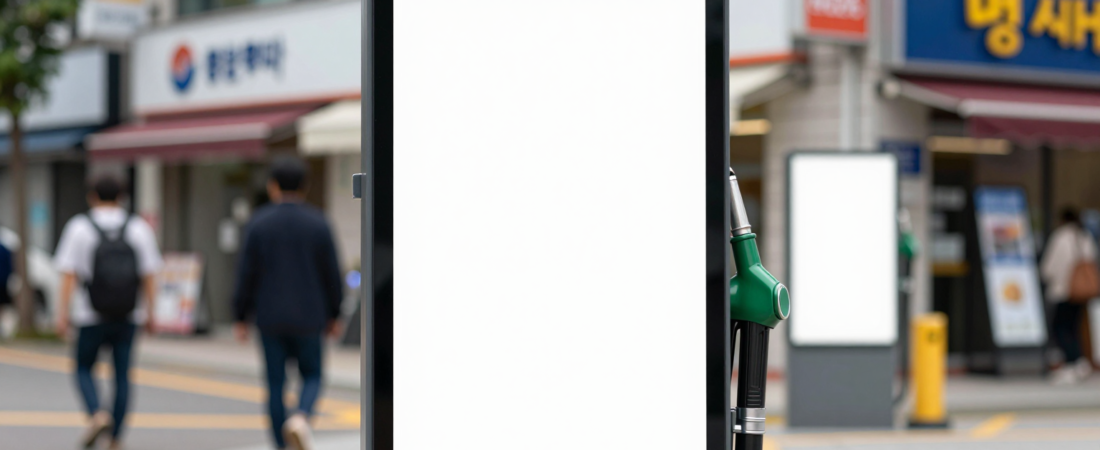
The heat wave is over, but your wallet isn’t getting a break. Gasoline prices are rising again, pushed higher by a mix of global oil market movement and a weakening Korean won.
Diesel is following the same upward path, adding pressure on truckers, delivery drivers, and small business owners. Have you noticed how fuel costs seem to spike right before every major holiday?
This year is no exception. With Chuseok approaching, highway travel demand is about to surge, and gasoline prices are rising at exactly the wrong moment for millions of commuting families.
Why Producer Prices Jumped Nearly 8 Percent

Korea’s producer price index rose almost 8% compared to last year. That is a steep increase, and it signals trouble further down the supply chain.
Producer prices often act as an early warning system. When they rise sharply, consumer prices tend to follow within a few months.
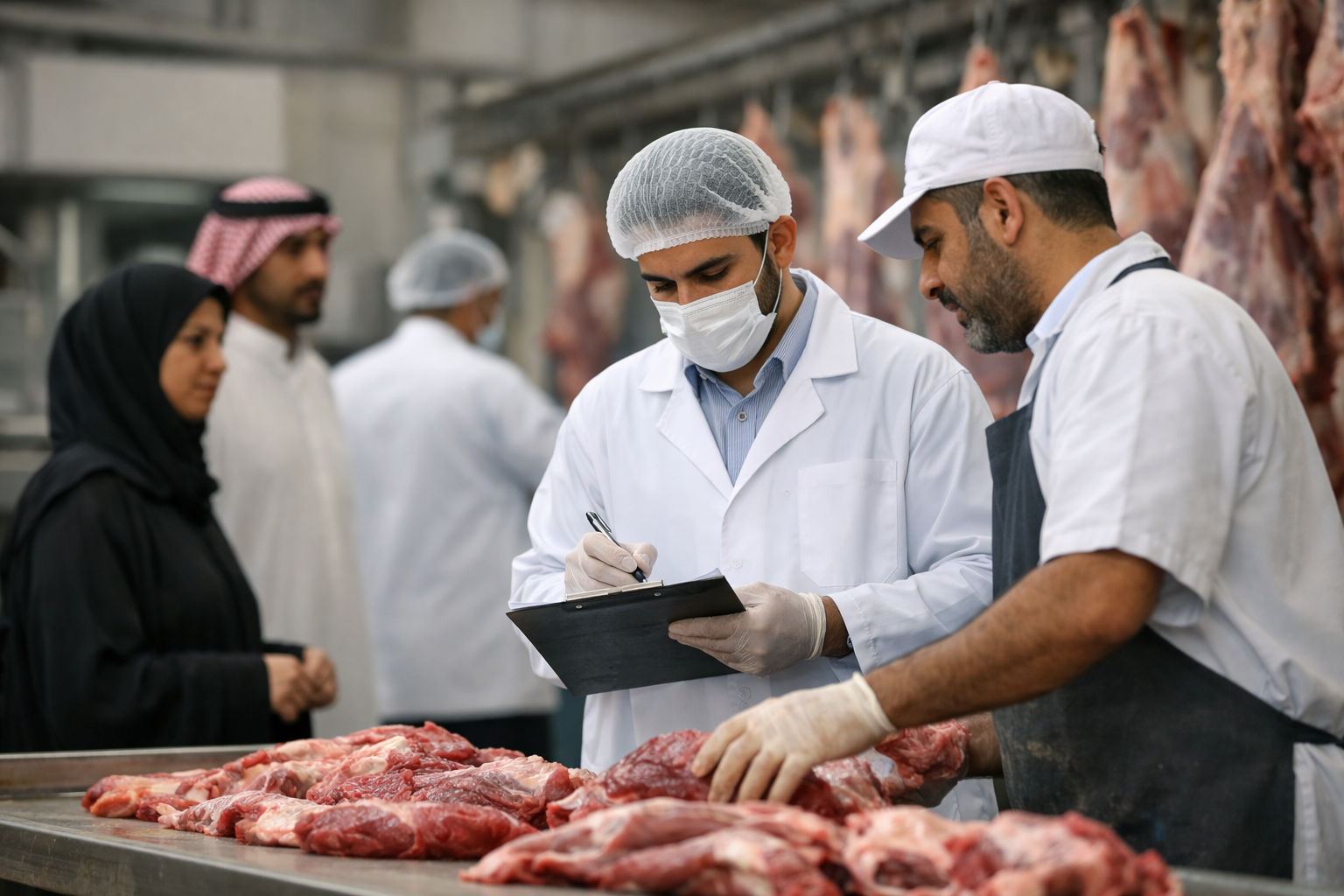
Spinach prices jumped a staggering 51.9%, while gas prices for households rose 11%. These aren’t small fluctuations — they’re signs that everyday essentials are becoming noticeably more expensive for ordinary households.
The heat wave damaged crops earlier this summer, which explains some of the spike in vegetable prices like spinach. But oil and currency pressures are separate forces, layering on top of weather-related shortages to create a compounding effect on your grocery bill.
According to Maeil Business Newspaper, this convergence of factors is precisely why officials are treating the situation with urgency. Gasoline costs alone don’t explain everything, but they touch nearly every other price in the economy — from shipping produce to running gas stations.
Government Response: Fuel Tax Cuts and Price Freezes
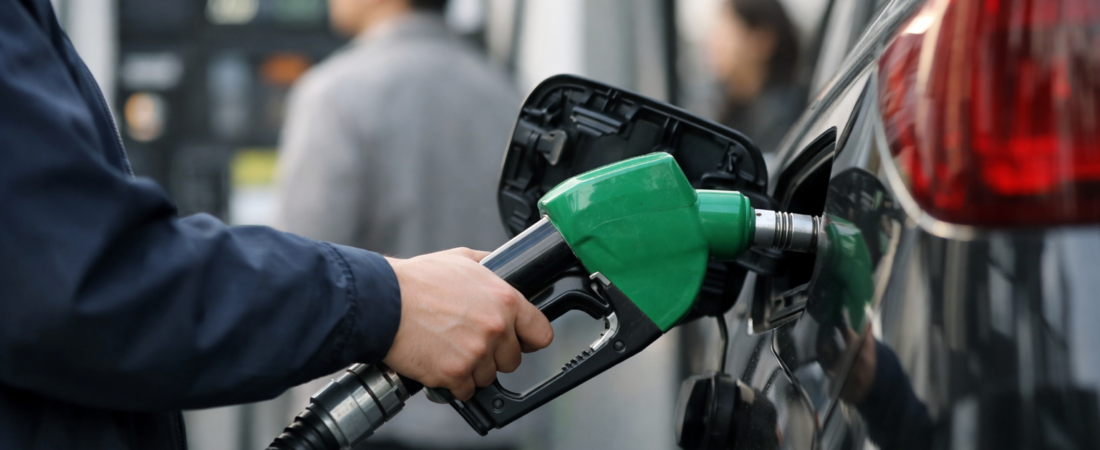
Seoul is not sitting still. The government extended its fuel tax reduction through November, aiming to soften the blow of rising gasoline and diesel costs.
Officials also refroze the maximum price ceiling on petroleum products. Think of it as putting a lid on a pot before it boils over — a temporary but necessary measure.
Additional plans target highway gasoline prices specifically during the Chuseok holiday period. Millions of Koreans drive long distances to visit family during this holiday, so highway rest-stop fuel prices matter enormously to everyday travelers.
Will these measures be enough? That depends largely on how oil markets and the won-dollar exchange rate behave over the coming months, factors that are largely outside the government’s direct control.
What This Means for Ordinary Koreans
Rising gasoline prices rarely stay isolated. They ripple into transportation costs, food delivery fees, and even the price of your morning coffee, since everything eventually needs to be shipped somewhere.
For working families, this squeeze feels personal and immediate. It shows up at the pump, at the grocery store, and on monthly gas bills — a quiet but persistent tax on daily life that no single policy fully erases.
Here’s the harder truth: temporary tax cuts and price freezes treat symptoms, not causes. Currency swings and global oil markets will keep testing Korean households long after this particular fuel tax extension expires in November.
And yet, there’s something worth noticing in how this challenge gets met. Government agencies, transport unions, and local gas station owners are coordinating in real time to soften the impact before Chuseok travel begins, rather than waiting for the crisis to peak first.
That kind of quiet cooperation — imperfect, incomplete, but genuinely present — deserves more attention than it usually gets. Progress here won’t look like a dramatic fix; it will look like small, steady adjustments that add up over many months, carried out by people who mostly go unnoticed doing their jobs.
So where does this leave you, the reader watching from outside Korea? Rising gasoline prices here are a small window into a much bigger global story about currency, energy, and resilience during uncertain times.
What do you think — should governments intervene directly in fuel prices, or let markets adjust on their own?
AI-Generated Photorealistic Image — All people, scenes, and details in this image are entirely AI-generated and fictional. Not a real photograph of an actual person or event. 이 이미지는 AI로 생성된 가상 이미지입니다.


Leave a Reply