Table of Contents
Geoje is a coastal island city in South Gyeongsang Province, and it welcomes visitors year-round with restored beaches, hiking trails, and ocean views. In recent years, heavy summer rains have tested the region’s tourism infrastructure. But local authorities consistently prioritize rebuilding, and Geoje’s main attractions reopen fully to guide travelers back to its shores.
Have you ever picked a destination just because it bounced back stronger than before? That’s part of the story here. Geoje shows how a coastal community rebuilds, welcomes guests again, and keeps its tourism economy moving forward.
Why Geoje Belongs on Your Travel List
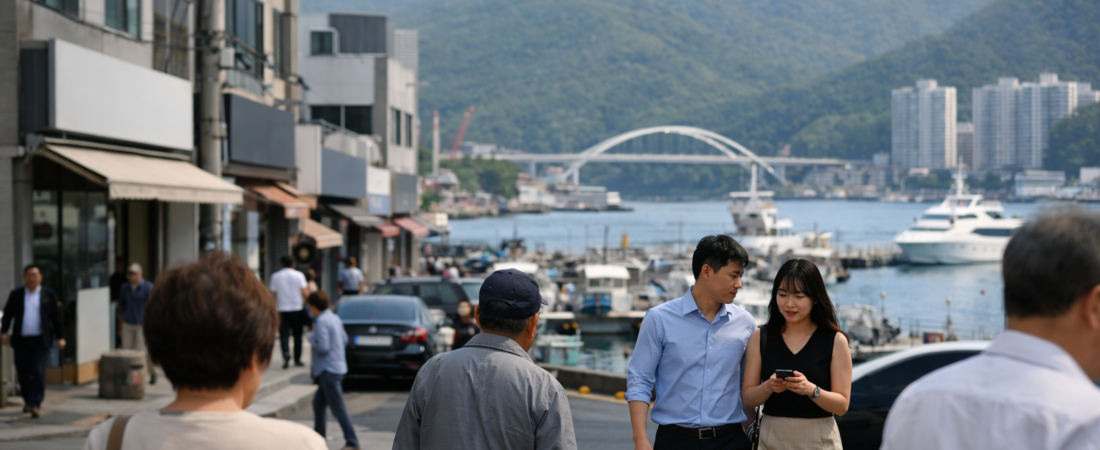
Geoje sits just off the southern coast, connected to the mainland by bridge, making it an easy add-on to a Busan itinerary. The island blends shipbuilding history with dramatic coastline scenery. You get cliffs, hidden coves, and quiet fishing villages all within a short drive.
What makes Geoje different from other Korean coastal spots? Its geography offers both rugged mountain trails and calm beach towns in the same trip. Visitors do not need to choose between hiking and relaxing by the water — Geoje gives you both.
The island also carries deeper historical weight. During the Korean War, Geoje hosted a large prisoner-of-war camp, and today a memorial park preserves that history for curious travelers. Layering this history alongside modern attractions gives Geoje a texture that many beach destinations lack.
Top Sights to Explore in Geoje
Geoje’s most famous attraction is Oedo Botania, a small private island turned botanical garden that feels like a slice of the Mediterranean. Ferries run regularly from Jangseungpo Harbor, and the garden’s terraced flowers and sea views draw photographers from across the country. Nearby Hakdong Mongdol Beach offers a different texture entirely — smooth pebbles instead of sand, with a soothing sound as waves roll back.
For hikers, Mount Nojeok delivers panoramic coastal views without an exhausting climb. The trail suits beginners and families, and the summit rewards you with a wide look at the surrounding islands. If you prefer cultural sites, the Geoje POW Camp Memorial Park walks you through Korean War history using preserved barracks and exhibits.
Windy Hill, a hillside dotted with a windmill and ocean backdrop, has become a popular filming location and photo stop. Yes, people really do line up for that windmill shot (it’s become something of a local ritual). Each of these sites reopened after recovery efforts, meaning current visitors see them in full working order.
Best Time to Visit Geoje, Including Holiday Seasons
Geoje enjoys a mild coastal climate, making spring and early autumn the most comfortable seasons for outdoor exploring. Cherry blossoms bloom in April, while clear skies in October make hiking and beach walks especially pleasant. Summer brings warmer waters for swimming, though occasional heavy rainfall can affect coastal areas.
Korean holidays like Chuseok, the autumn harvest festival, also draw large numbers of domestic travelers to Geoje. Families use the extended break to visit relatives and explore nearby attractions together. Think of Chuseok as Korea’s version of Thanksgiving weekend, except with an entire country moving at once.
Booking accommodations early during Chuseok and Lunar New Year matters, since local guesthouses and hotels fill quickly. If you prefer quieter crowds, aim for weekdays outside these major holiday windows. Either way, Geoje’s main attractions stay open and accessible throughout these peak travel periods.
Planning Your Geoje Travel Guide Visit
Getting to Geoje usually starts in Busan, with buses and cars crossing the Geoga Bridge in under an hour. Renting a car gives you the most flexibility, since many sights sit outside walking distance from each other. Public buses connect major towns, but schedules run less frequently than in larger cities.
Pack layers if you’re visiting between fall and spring, since coastal winds can feel sharper than inland temperatures suggest. Bring comfortable shoes for both the pebble beaches and hiking trails. According to Yonhap News Agency, local officials have actively worked to restore tourism infrastructure after storm damage, a reminder that checking current conditions before any trip remains wise practice.
Recovery after natural disasters reveals something honest about communities — the damage is real, and pretending otherwise helps no one. Roads wash out, businesses lose income, and families face real hardship in the aftermath of extreme weather. Yet the same event that damages a coastline often reveals how quickly neighbors, workers, and local officials pull together to rebuild what matters.
Geoje’s reopened attractions are not just a tourism headline; they represent thousands of small decisions to repair, reopen, and welcome strangers back into damaged spaces. That kind of quiet persistence deserves notice, even if it rarely makes international news. Choosing to visit a place still in recovery, rather than only chasing untouched destinations, is its own small act of support.
Geoje’s story offers a useful lesson for any traveler curious about Korea beyond Seoul. Coastal cities recover, adapt, and keep inviting visitors, even after difficult seasons. What destination have you watched rebuild after hardship, and did that story change how you traveled there?
AI-Generated Photorealistic Image — All people, scenes, and details in this image are entirely AI-generated and fictional. Not a real photograph of an actual person or event. 이 이미지는 AI로 생성된 가상 이미지입니다.



Leave a Reply