Table of Contents
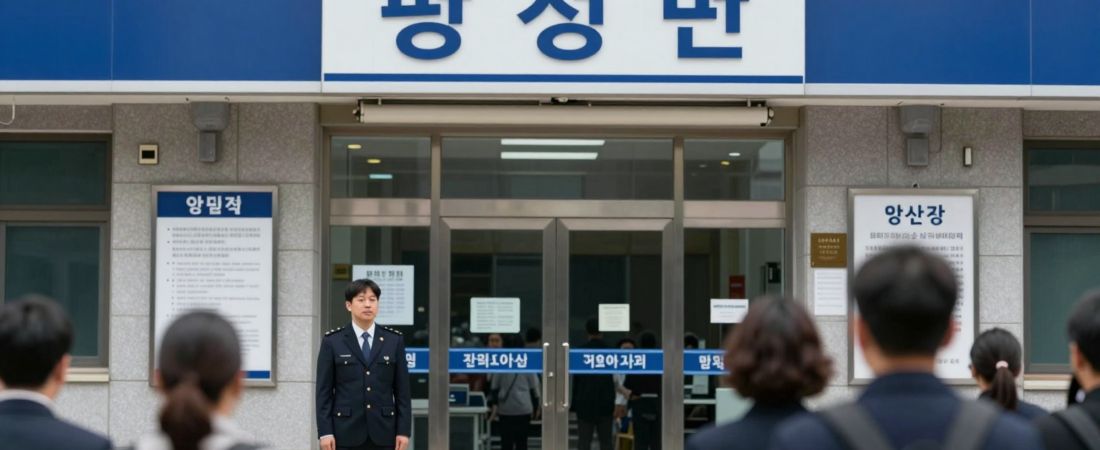
Gwangjin Police Station ran a customized school violence prevention campaign at Seoul Gwangjin School, a public special education institution in Guui-dong. The event combined a morning campaign at the school gate with a specially designed theater performance for students. This case offers a useful window into how Korean police adapt safety education for students with different learning needs.
You might wonder why a police station would bother organizing theater for schoolchildren. That question actually gets to the heart of good public safety work. Standard lectures do not always reach every student, and Gwangjin Police Station clearly understood this.
How Gwangjin Police Station Approaches School Safety
Gwangjin Police Station organized this event at Seoul Gwangjin School, located in Guui-dong within Gwangjin District. The campaign focused on the morning arrival period, a time when students gather near school gates in large numbers. Officers used this window to distribute safety messages directly to students as they entered the building.
This is not a random choice of timing. Morning arrivals create natural opportunities for informal interaction between police officers and students. Have you ever noticed how much easier it is to absorb a message when it feels like a friendly greeting rather than a formal lecture?
Gwangjin Police Station seems to understand this dynamic well. By choosing the school gate campaign format, officers reduced the distance between law enforcement and young students. This approach reflects a broader trend in Korean policing: community-based prevention rather than reactive enforcement.
Why Special Schools Need Different Education Methods
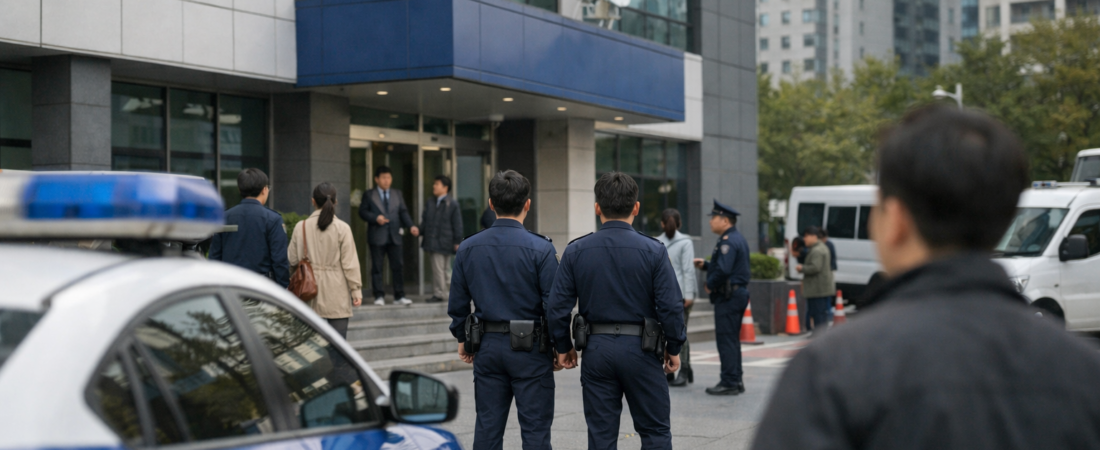
Seoul Gwangjin School serves students who require individualized learning support. Standard school violence prevention materials, often built around written pamphlets or verbal lectures, do not always work well for these students. Gwangjin Police Station recognized this gap and built a program specifically tailored to the school’s population.
This matters more than it might seem at first glance. School violence prevention education across Korea has grown significantly since the early 2000s, following a series of high-profile bullying cases that shocked the public. Yet much of that curriculum was designed with mainstream classrooms in mind, not students with diverse cognitive or communication needs.
Special schools in Korea, including institutions like Seoul Gwangjin School, have historically had less access to customized safety programming. That gap creates real risk. Students who cannot fully process abstract lecture content may miss critical warning signs about bullying or exploitation, making a tailored approach from a local station like Gwangjin Police Station genuinely important.
The Role of Theater in Teaching Difficult Concepts
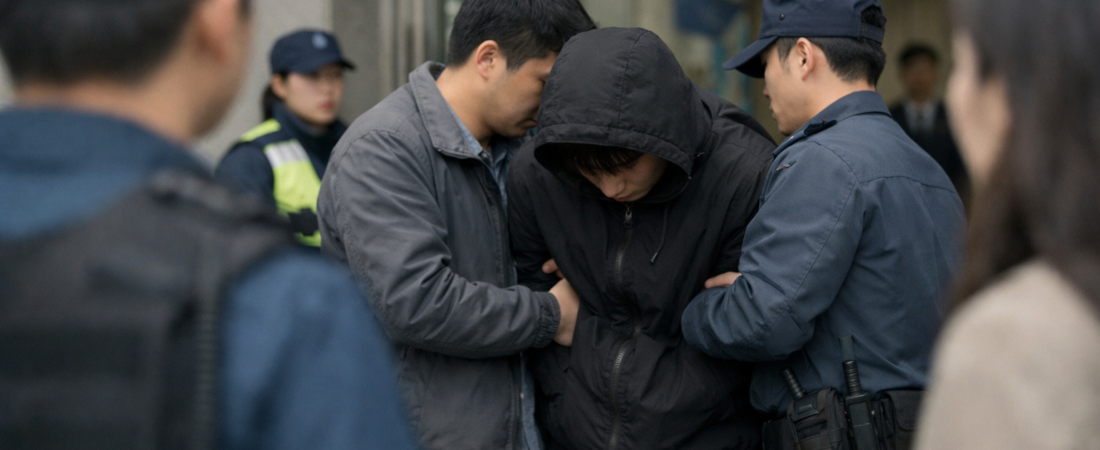
Gwangjin Police Station chose theater performance as its teaching tool for a reason. Drama makes abstract ideas concrete. Instead of telling students what bullying looks like, a performance can show them, using characters, conflict, and resolution students can actually watch unfold.
Why does this method work so well for special education students specifically? Visual and narrative learning often bypasses barriers that pure verbal instruction creates. A student who struggles with dense language can still follow a story about a character being excluded, then watch that character get help.
This is not a new idea in Korean education broadly, but its application to school violence prevention through police-led programming is still developing. Theater-based education has long been used in Korean traditional storytelling and modern classrooms alike (Koreans have never needed much convincing that a good story teaches better than a good lecture). Gwangjin Police Station’s use of custom theater signals a thoughtful, student-centered adaptation of national prevention goals.
You can find more background on national school violence policy trends through Yonhap News Agency, which regularly covers education and public safety developments across Korea.
What This Means for Korea’s Broader Safety Culture
Programs like this one from Gwangjin Police Station raise a bigger question about inclusion in public safety planning. Korea has made real progress expanding protections for vulnerable students, but gaps remain, especially for special education populations who are often an afterthought in national campaigns. That is an honest criticism worth naming directly.
At the same time, individual efforts like this campaign show a path forward. Local police stations partnering directly with special schools, designing custom content, and showing up in person represent exactly the kind of grassroots repair that closes policy gaps faster than top-down mandates ever could. Progress here does not require perfect national systems first; it requires committed local actors willing to notice what is missing and act.
There is something quietly hopeful in watching an institution as procedural as a police station choose creativity over convenience. It would have been easier for Gwangjin Police Station to distribute the same standard materials used everywhere else. Instead, officers built something specific to the students in front of them, which says something meaningful about how care can show up even inside bureaucratic systems.
That said, one good campaign does not solve a systemic gap on its own, and sustained funding and training will matter more than any single event. The students at Seoul Gwangjin School deserve consistent, not occasional, attention to their safety needs. Real inclusion means this kind of tailored effort becomes the standard practice for every special school, not a notable exception worth reporting on.
Programs like this one deserve attention precisely because they are not yet common enough. As more police stations observe what Gwangjin Police Station accomplished, similar customized campaigns could spread to special schools across Seoul and beyond. Do you think local institutions like Gwangjin Police Station should receive more resources to expand this kind of tailored safety education nationwide?
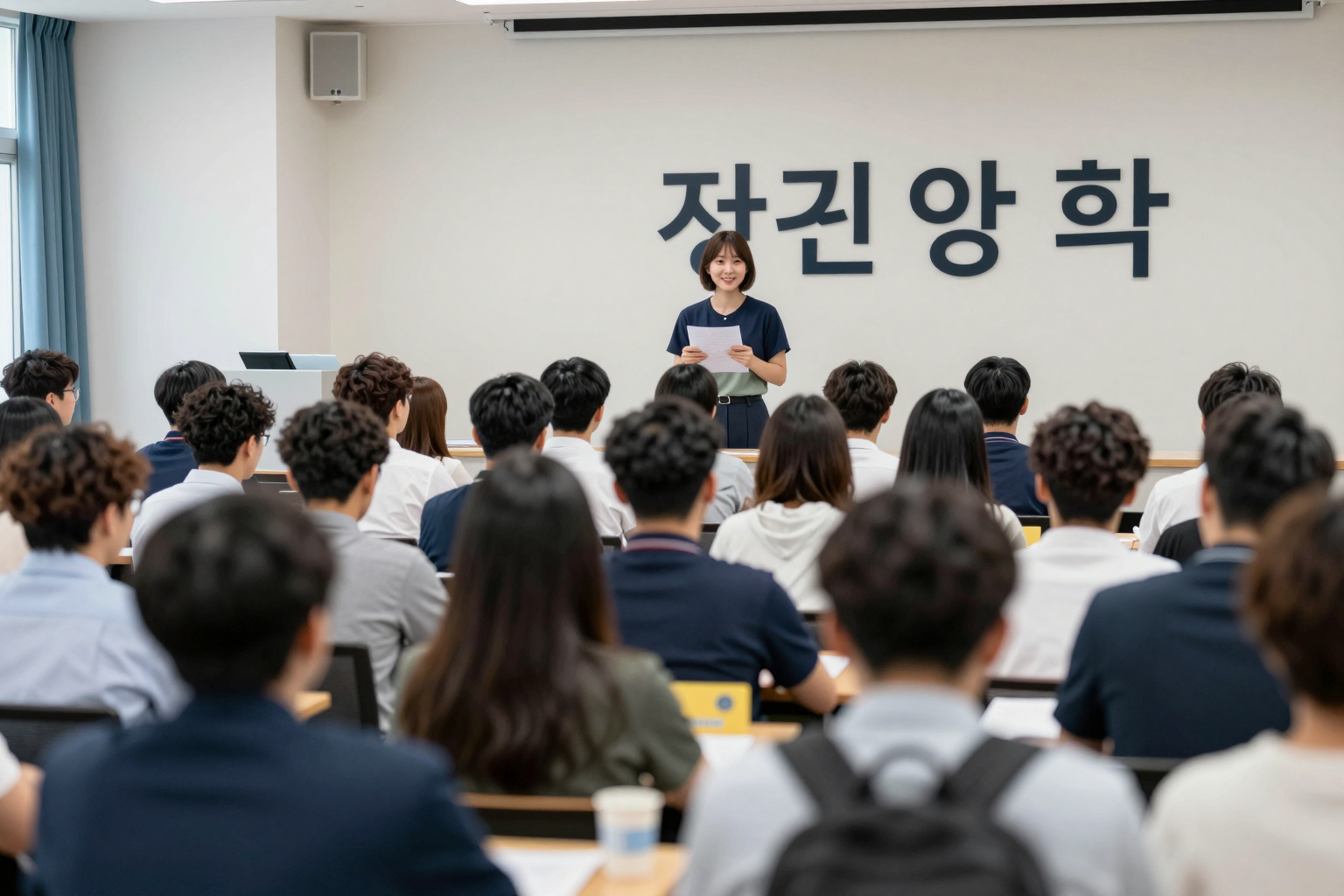
AI-Generated Photorealistic Image — All people, scenes, and details in this image are entirely AI-generated and fictional. Not a real photograph of an actual person or event. 이 이미지는 AI로 생성된 가상 이미지입니다.

Leave a Reply