Table of Contents
Right now in Korea, an unusually late heat wave is making headlines, and Gunsan’s Gogunsan Islands just became its latest flashpoint. Seven tourists hiking and trekking there showed heat-related illness symptoms over two consecutive days this week. Local officials responded on site, and the incident is pushing safety questions to the front of the national conversation.
Have you ever pushed through a hike even when your body told you to stop? That instinct is exactly what turned a scenic trek into a medical emergency for several visitors this week.
As of this week, the story out of Gunsan is a small but telling snapshot of how a stubborn heat wave can disrupt even a quiet island getaway.
Seven Tourists Down: What Happened on Gogunsan Islands
According to Yonhap News, the incidents unfolded over two straight days on the Gogunsan Islands, a scenic archipelago off the coast of Gunsan in North Jeolla Province. Tourists were hiking and trekking the islands’ coastal trails when the symptoms began. Officials say the pattern of repeated cases points to a shared risk factor: prolonged outdoor activity during peak heat wave hours.
This is not a single unlucky case. Seven people across two days suggests something systemic about conditions on the ground, not just personal misfortune.
Emergency responders reached the affected tourists and treated them for heat-related illness, a category that ranges from mild heat exhaustion to dangerous heat stroke. Local authorities are now reviewing whether trail warnings, water stations, and shade infrastructure kept pace with the unexpected persistence of the heat wave. Gunsan’s tourism office had likely not anticipated this level of late-season heat when planning summer trail access.
Why Late-Season Heat Wave Danger Catches People Off Guard
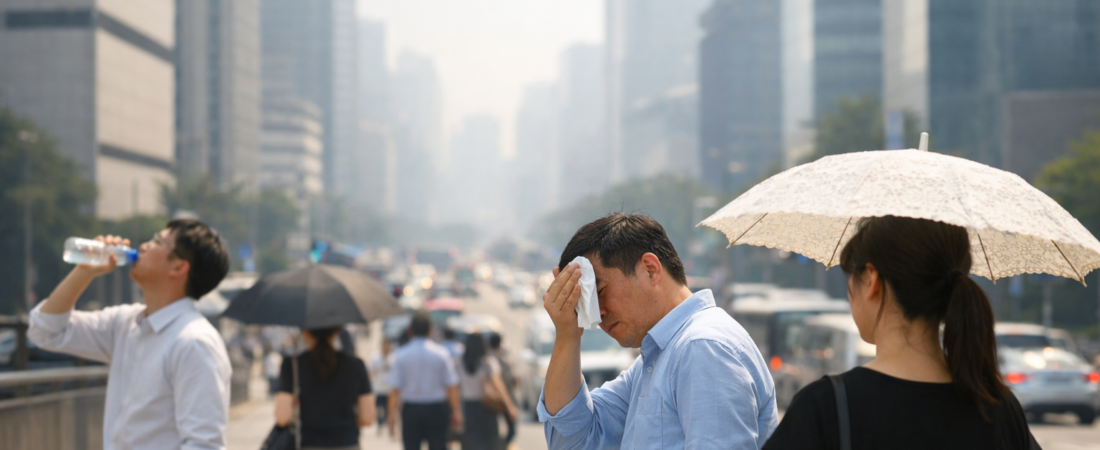
Here’s the tricky part about a late-season heat wave: your guard is already down. Most travelers assume the worst summer heat has passed by late August, so they plan longer hikes and skip precautions they would have taken in July. That assumption is exactly what makes this kind of heat wave so dangerous.
Why does timing matter so much? Because your body’s heat tolerance depends partly on expectation and preparation, not just the actual temperature reading.
Gogunsan Islands’ trails involve real elevation changes and limited shade in exposed coastal sections. Combine that terrain with high humidity, a hallmark of Korean summers, and a heat wave becomes far more punishing than a thermometer alone suggests. (Korean humidity in August has a reputation — and honestly, it earns every bit of it.)
Medical experts consistently point to a few overlooked risk multipliers during any heat wave. Dehydration builds gradually, so many hikers do not notice warning signs until symptoms are already serious. Physical exertion during midday hours, roughly 11 a.m. to 3 p.m., dramatically raises core body temperature regardless of how fit someone feels.
How Korea Responds to Heat Wave Emergencies
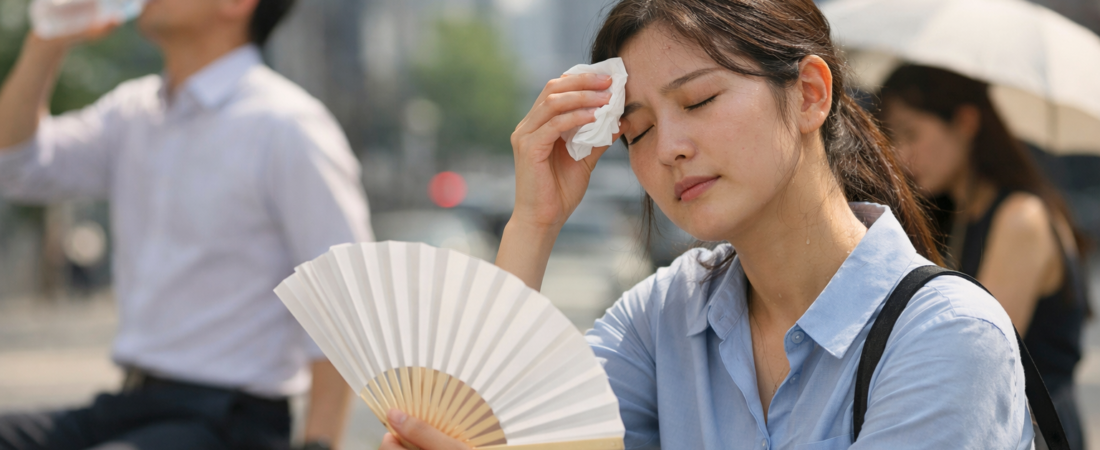
Korea has built a fairly robust institutional response to heat wave conditions over the past decade. The Korea Meteorological Administration issues heat wave advisories and warnings tied to specific temperature and duration thresholds. Local governments, including Gunsan’s city office, activate cooling shelters and adjust outdoor work and public event schedules once those warnings trigger.
Does that system always reach tourists the way it reaches residents? That is the real question this incident raises.
Visitors often miss local alerts because they are not tied into community messaging channels the way long-term residents are. Trail signage, multilingual warnings, and visible water stations become the frontline defense for people passing through rather than living in the area. Gunsan authorities are now reportedly examining whether Gogunsan Islands needs stronger mid-trail infrastructure specifically for tourists during heat wave periods.
National guidance during any heat wave remains consistent: drink water regularly even before you feel thirsty, take breaks in shade, and avoid strenuous outdoor activity during peak afternoon hours. These recommendations sound simple, almost too simple to matter. Yet emergency room data across Korea shows that heat-related illness cases spike precisely when people ignore this basic guidance in favor of finishing a planned itinerary.
What This Means for Travelers and Local Communities
This story matters beyond Gunsan’s coastline. It captures a tension that shows up in tourist destinations everywhere: the pull between finishing your plans and listening to your body’s limits under extreme heat.
Local communities genuinely want to welcome visitors, and Korean hospitality toward travelers is well known and often celebrated. But that same eagerness to accommodate tourists can quietly discourage honest warnings about risk, since nobody wants to seem like they are scaring visitors away.
The encouraging sign is that Gunsan officials responded quickly once symptoms appeared, and they are now reviewing prevention measures rather than treating this as a one-time fluke. That kind of institutional learning, turning a hard moment into better trail infrastructure, is where real progress happens. Genuine care for visitors means being honest about heat wave danger even when the islands look calm and inviting under a clear summer sky.
For international readers, this local story carries a broader lesson about traveling in Korea, or anywhere, during unpredictable climate patterns. Heat waves are arriving later and lasting longer across many parts of Asia, not just Korea. Understanding how a well-organized country like Korea still struggles with tourist safety during a heat wave should make any traveler pause before their next outdoor adventure abroad.
Korea’s heat wave season may be shifting later each year, and that shift demands new habits from both officials and visitors. What do you think travel destinations should do differently to keep tourists safe as heat waves become less predictable?
AI-Generated Photorealistic Image — All people, scenes, and details in this image are entirely AI-generated and fictional. Not a real photograph of an actual person or event. 이 이미지는 AI로 생성된 가상 이미지입니다.
Leave a Reply