
Table of Contents
Korea’s weather agency issued a gale warning for waters south of Jeju Island, effective 8 p.m. on August 25, 2026, covering the southwest and southeast open seas. At the same time, a heat warning stays active for northern Jeju city. As of this week, Jeju is dealing with rough seas and record heat at once — a rare combination getting real attention across Korean news right now.
Does that sound strange to you? Stormy waves crashing near an island baking under a heat warning at the same time.
Jeju Island often surprises people this way. Surrounded by warm ocean currents, it can swing between sharp weather extremes within the same week.
Jeju Faces Double Weather Warning Right Now
The Korea Meteorological Administration announced the gale warning for two specific offshore zones near Jeju Island. Both the southwest inner distant sea and the southeast inner distant sea will see strong winds and high waves starting the evening of August 25.
Meanwhile, the heat warning covering northern Jeju city has not lifted. That means residents there continue facing dangerously high temperatures even as storm alerts spread across nearby waters.
Think about that for a second. One island, two very different threats, happening on the very same night.
Local officials say both alerts stem from separate atmospheric patterns colliding around the same geographic area. Jeju Island sits at a crossroads of ocean currents and seasonal wind shifts, making it a frequent testing ground for Korea’s weather forecasters. You could call it a meteorological pressure cooker — not exactly relaxing for anyone planning a beach trip this week.
Why Jeju Island Gets Squeezed by Sea and Sun Together
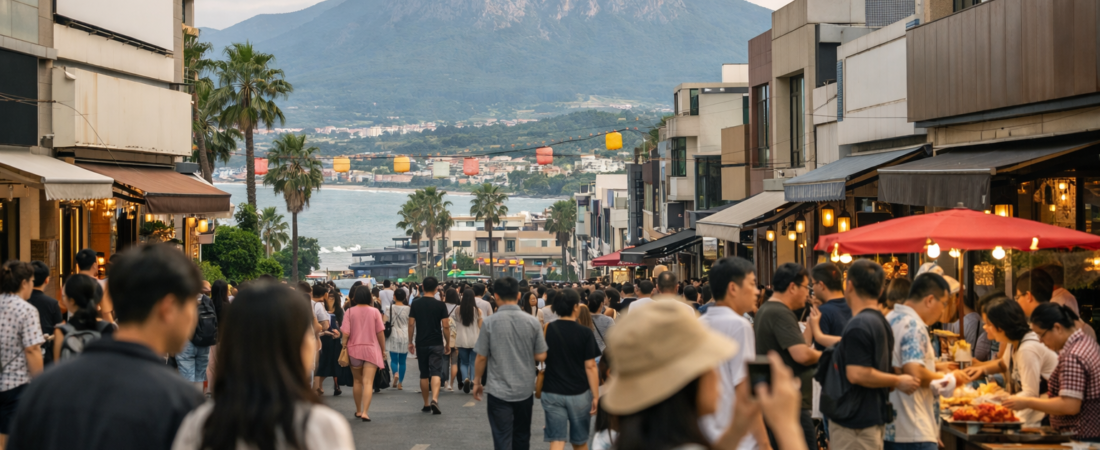
Jeju Island’s geography explains a lot here. It sits between the East China Sea and the Korea Strait, exposed to shifting air masses from multiple directions.
Late August often brings this exact tension. Warm land temperatures build up heat domes over the island, while approaching low-pressure systems stir up the surrounding ocean.
Have you ever noticed how coastal regions seem to get hit by everything at once? Jeju Island experiences this pattern almost every late summer, as the monsoon season transitions toward typhoon season.
This year’s pattern fits a broader trend meteorologists have tracked for a decade. Sea surface temperatures around Jeju Island have risen steadily, feeding more moisture into the atmosphere and intensifying both heat retention on land and wave activity offshore. For deeper background on how these regional shifts connect to larger climate patterns, readers can check Yonhap News Agency for continuing coverage.
Historically, Jeju Island has always played a unique role in Korea’s weather story. Its volcanic landscape and coastal exposure make it one of the first regions to register incoming typhoons and heat waves alike.
What This Means for Travelers and Residents
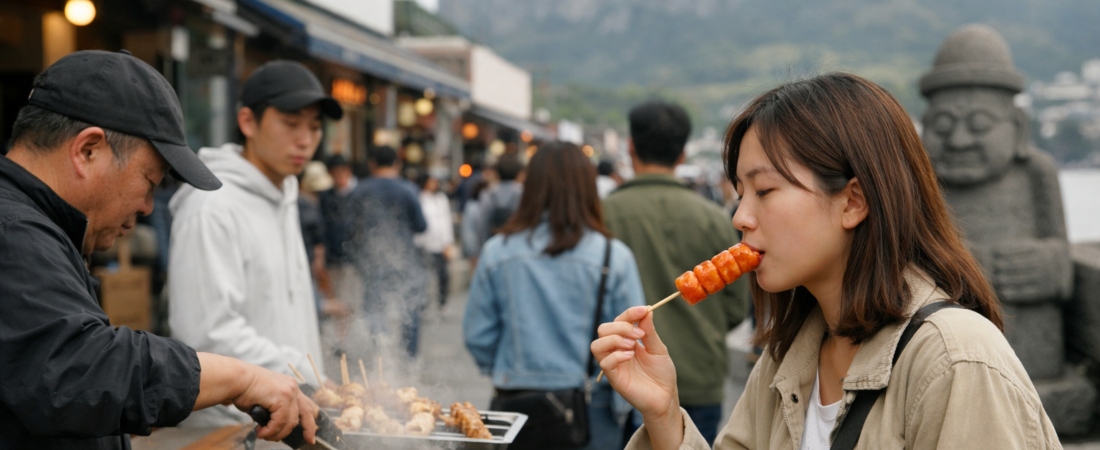
If you’re planning a trip to Jeju Island soon, this dual warning matters. Boat tours, ferry schedules, and fishing operations near the southern coastline face disruption from the gale warning.
Meanwhile, anyone staying in northern Jeju city needs to take the heat warning seriously. Outdoor work, exercise, and even short walks carry real health risks under these conditions.
What should you actually do if you’re there this week? Local authorities recommend checking real-time alerts, avoiding unnecessary sea travel, and staying hydrated during peak afternoon hours.
Jeju Island tourism officials have already begun notifying operators about possible schedule changes. Fishing boats, diving tours, and even some ferry routes connecting to the mainland may adjust departure times based on wave height forecasts. For residents managing both farming and fishing livelihoods, this kind of overlapping alert creates real logistical headaches, not just inconvenience.
Living With Extremes: A Deeper Look at Jeju’s Climate Future
Jeju Island’s current situation raises a bigger question worth sitting with. Can a small island community keep adapting as weather extremes arrive more often and overlap more frequently?
It’s tempting to see only the strain here — heat warnings pushing farmworkers indoors, gale warnings grounding fishing boats that families depend on for income. That strain is real, and pretending otherwise would be dishonest.
But there’s another side worth noticing too. Jeju Island’s local government has expanded early-warning text alert systems in recent years, and community cooling centers now open automatically once heat warnings activate, giving vulnerable residents somewhere safe to go.
Fishing cooperatives have also built stronger coordination networks, sharing real-time wave data so smaller boats know exactly when to stay docked. None of this erases the hardship of losing a day’s catch or working through dangerous heat. Still, it shows a community learning to respond together rather than facing each new warning alone — and that kind of quiet adaptation deserves just as much attention as the warnings themselves.
Jeju Island will likely see more of these overlapping weather events as ocean temperatures continue shifting in the coming years. Understanding how the island responds now offers a preview of challenges other coastal regions may soon face too. That makes Jeju Island worth watching well beyond this week’s forecast.
What do you think about how island communities like Jeju Island should prepare for weather extremes hitting at the same time?
AI-Generated Photorealistic Image — All people, scenes, and details in this image are entirely AI-generated and fictional. Not a real photograph of an actual person or event. 이 이미지는 AI로 생성된 가상 이미지입니다.


Leave a Reply