Table of Contents
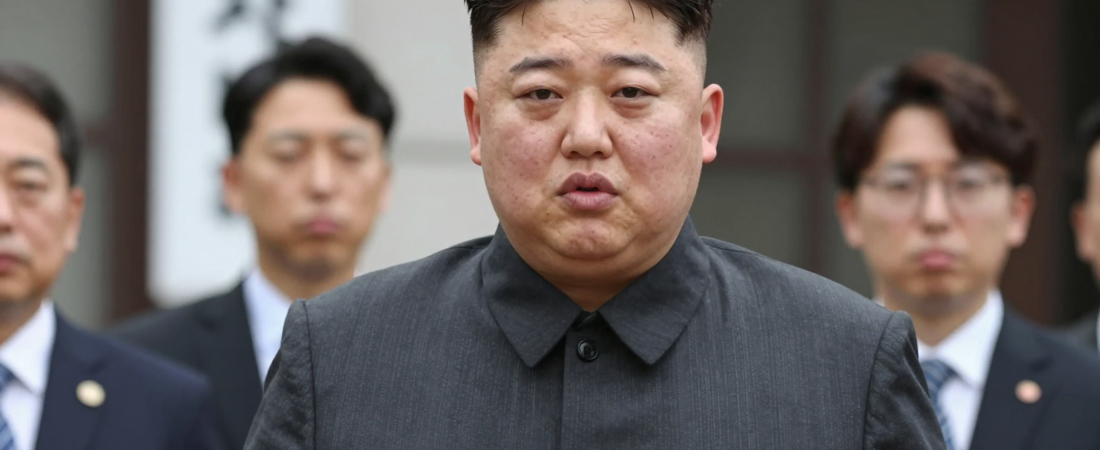
Right now in Korea, everyone is talking about Liberation Day, and this year’s celebration carries an unusual twist. Kim Jong-un spent the holiday watching a circus performance with his family, while President Lee Jae-myung offered North Korea a serious proposal to end the Korean War. So far, Pyongyang hasn’t said a word about it.
Isn’t it strange how silence can sometimes say more than a speech? As of this week, that silence from North Korea is exactly what’s grabbing attention across Korean media and policy circles. Let’s break down what actually happened and why it matters.
Kim Jong-un’s Liberation Day Appearance
On August 15, North Korea marked what it calls “Liberation of the Fatherland Day.” State media, including the Korean Central News Agency, reported that Kim Jong-un attended a grand acrobatics performance at the Pyongyang Circus Theater the following day. The event celebrated the 81st anniversary of liberation from Japanese colonial rule.
Kim Jong-un didn’t go alone. His daughter, known publicly as Ju-ae, sat right beside him in the VIP section, and his wife Ri Sol-ju also attended. State photos placed Ju-ae front and center, a detail North Korea watchers have noted carefully in recent years.
The acrobatics show featured award-winning acts from international circus festivals, including tightrope walking and aerial performances. Kim Jong-un reportedly praised the performers and posed for commemorative photos with the national circus troupe afterward. He didn’t stop there.
Later that same day, Kim Jong-un also attended a sports and culture event, watching swimming and diving competitions. Senior officials accompanied him throughout, including party secretaries Jo Yong-won, Ri Il-hwan, and Ju Chang-il, along with Premier Pak Thae-song, Foreign Minister Choe Son-hui, and Defense Minister No Kwang-chol. This was a full display of the regime’s inner circle, gathered for a day of celebration.
Lee Jae-myung’s Ceasefire Proposal
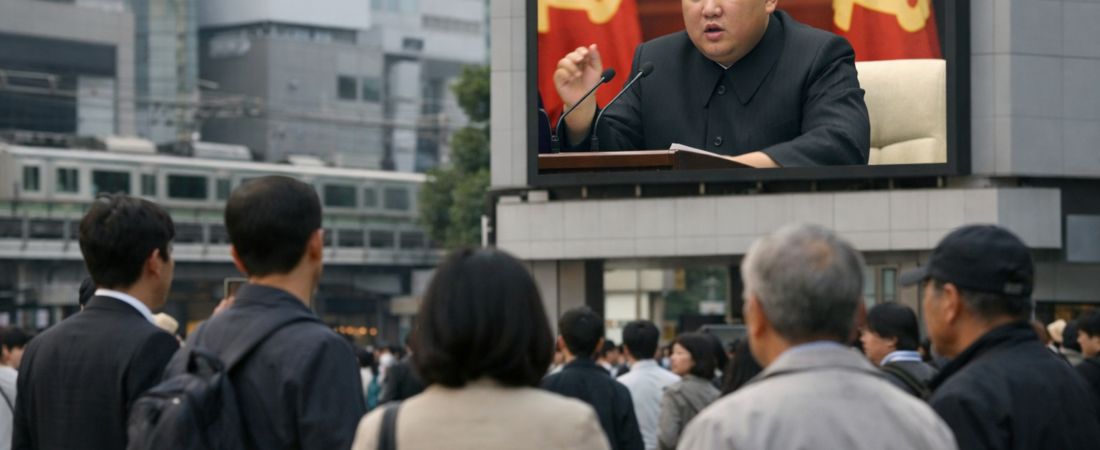
While Kim Jong-un enjoyed circus acts, South Korean President Lee Jae-myung was delivering a very different kind of message. In his Liberation Day address on August 15, Lee proposed ending the Korean War through multilateral talks. He called for the parties involved to “set aside threats toward one another” and begin discussions to end what he described as an old, unfinished war.
This wasn’t a small gesture. It marked the first time Lee formally proposed multilateral discussions specifically aimed at ending the war through a peace framework, rather than just extending the armistice. He framed it as a journey toward transforming Korea’s unstable ceasefire system into lasting peace.
Here’s a fact many readers outside Korea might not know: the Korean War never technically ended. The 1953 armistice paused the fighting, but no peace treaty followed. That means, technically, North and South Korea have remained in a state of war for over seven decades.
So when a South Korean president proposes multilateral talks to formally end that war, it’s not a minor diplomatic footnote. It’s a proposal aimed at rewriting one of the longest unresolved conflicts of the 20th century. You can read more background on the armistice history through SBS News.
Why Silence Speaks Loudly in Pyongyang
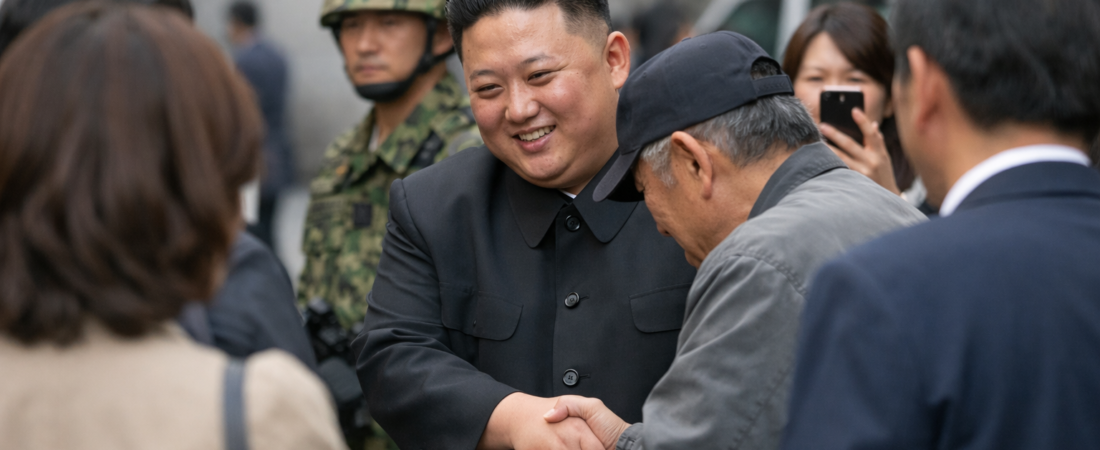
Here’s the part that makes this story worth watching closely. North Korean state media covered Liberation Day events extensively, publishing photos and detailed reports of Kim Jong-un’s circus visit and sports outing. Yet as of Monday morning, those same outlets hadn’t mentioned Lee Jae-myung’s ceasefire proposal at all.
Why would Pyongyang stay quiet about such a significant offer? North Korea often uses silence strategically, especially when a proposal doesn’t align with its current diplomatic posture. Responding too quickly might signal weakness, or worse, invite pressure to negotiate on terms it hasn’t fully evaluated.
It’s also worth remembering how North Korea typically handles Liberation Day. The country prefers to frame the day around its own national narrative, celebrating self-reliance and military achievement rather than reconciliation. Circus performances and family photos fit neatly into that narrative; a ceasefire proposal from Seoul does not.
This pattern isn’t new, either. North Korea has a long history of letting proposals sit unanswered for weeks or months before responding, if it responds at all. Kim Jong-un himself has used calculated silence as a diplomatic tool throughout his leadership, weighing timing as carefully as substance.
Diplomacy between the two Koreas has always resembled a slow, careful dance rather than quick conversation. And sometimes, watching who chooses not to speak tells you just as much as watching who does.
What Comes Next for Kim Jong-un and Korea’s Peace Push
So where does this leave the ceasefire proposal? For now, it sits in a kind of diplomatic waiting room. Lee Jae-myung has publicly extended an offer, and Kim Jong-un has publicly said nothing, choosing circus tents and swimming pools over podiums and press statements.
Does that mean the proposal is dead on arrival? Not necessarily. North Korea has accepted major shifts in the past only after initial silence, so this pause doesn’t automatically signal rejection.
What it does signal is a familiar rhythm in inter-Korean relations, one built on caution, timing, and controlled messaging. It’s easy to feel discouraged when peace proposals meet silence instead of dialogue. But real progress on the Korean Peninsula has often started this way, with quiet observation before any public shift, and small diplomatic openings that later grew into larger conversations.
The hope isn’t naive optimism that Kim Jong-un will respond quickly. The hope is that consistent, patient outreach — paired with realistic expectations about how North Korea operates — creates space for eventual dialogue, even if it takes months or years to materialize.
For global readers, this story matters beyond Korean borders. An unresolved war sitting quietly for over 70 years still shapes regional security, U.S. military posture in Asia, and global attention to nuclear risk. Whenever Kim Jong-un makes a public choice — even one as simple as attending a circus show instead of responding to a peace proposal — it becomes a data point that policymakers and observers worldwide use to read North Korea’s next move.
What do you think — will Kim Jong-un eventually respond to Lee Jae-myung’s ceasefire proposal, or is Pyongyang’s silence a sign this idea is going nowhere?
AI-Generated Photorealistic Image — All people, scenes, and details in this image are entirely AI-generated and fictional. Not a real photograph of an actual person or event. 이 이미지는 AI로 생성된 가상 이미지입니다.


Leave a Reply