
Table of Contents
Director Lee Chang-dong won the Silver Lion Grand Jury Prize at the 83rd Venice International Film Festival for his new film “Love in the Possible.” The win came 24 years after his last major Venice honor for “Oasis” in 2002. Notably, the film received no Korean investment support and was made possible only through Netflix backing.
Right now, film circles across Korea are buzzing about this award. Isn’t it strange that one of Korea’s most respected directors couldn’t secure domestic funding for his latest project? That question sits at the heart of this story.
Lee Chang-dong’s Historic Venice Win
Lee Chang-dong, now 72, stood on stage in Venice on September 12 to accept the Silver Lion. The jury award recognized “Love in the Possible” for its artistic vision and emotional depth. This festival edition also highlighted strong female voices and anti-war themes throughout its lineup.
For Lee Chang-dong, this marks his most significant Venice recognition since “Oasis” claimed prizes in 2002. That earlier film starred Sol Kyung-gu and Moon So-ri, telling a raw love story between two marginalized characters. Two decades later, Lee Chang-dong has returned to the world’s oldest film festival with another quietly powerful work.
You might wonder why this gap matters so much. Twenty-four years is a long time in any career, especially for a director known for careful, deliberate filmmaking. Lee Chang-dong doesn’t rush his projects, and that patience clearly paid off at Venice this year.
Why Netflix, Not Korea, Backed This Film

Here’s the twist that has sparked real conversation in Korea: domestic investors passed on “Love in the Possible.” Instead, Netflix stepped in to fund the production entirely. This says something important about how Korean cinema funding works today.
Korean film investment has grown cautious in recent years. Box office struggles, rising production costs, and shifting audience habits have made investors wary of arthouse projects. Lee Chang-dong’s films are known for slow pacing and difficult themes, which doesn’t always translate into ticket sales.
Streaming platforms like Netflix have filled this gap for serious auteur cinema. You could say Netflix has become an unlikely patron of Korean art films — a role local studios once played more willingly. According to Kyunghyang Shinmun, this shift reflects a broader pattern across the industry.
Does this mean Korean investors made a mistake? Perhaps. But it also shows how global platforms now shape which stories reach international audiences, for better or worse.
Lee Chang-dong’s Legacy Since Oasis
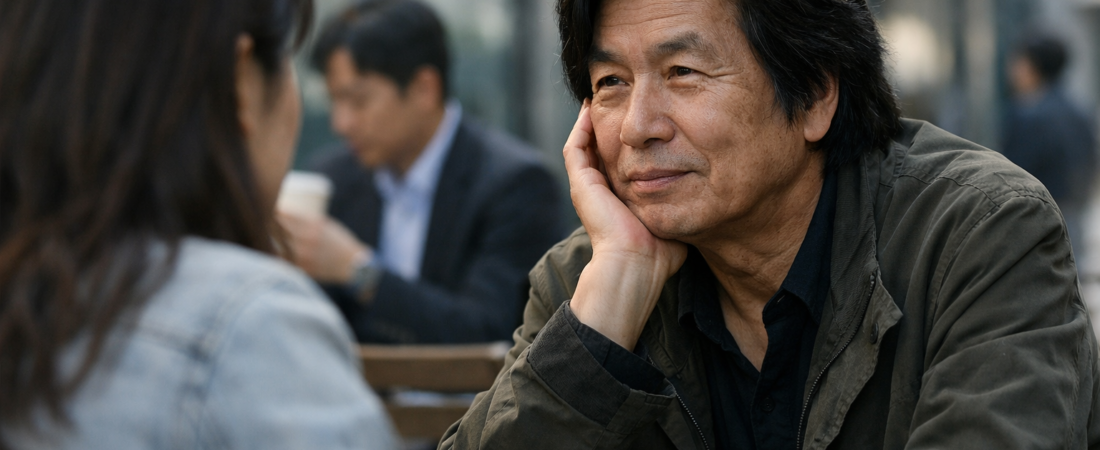
Lee Chang-dong built his reputation on films that examine human suffering with unflinching honesty. “Peppermint Candy,” “Secret Sunshine,” and “Poetry” all explored trauma, guilt, and quiet resilience. Each film earned him deeper respect among international critics and festival programmers.
His 2018 film “Burning,” based on a Haruki Murakami short story, competed at Cannes and later made international best-of lists. Still, none of his post-Oasis work claimed a major Venice prize until now. That drought makes this Silver Lion feel like a genuine comeback moment.
Lee Chang-dong also served as South Korea’s Minister of Culture in the early 2000s, an unusual path for a filmmaker. This background gives him a unique perspective on how policy and art intersect. Few directors understand both sides of the funding equation as deeply as he does.
Lee Chang-dong and the Future of Korean Cinema
This Venice win by Lee Chang-dong raises bigger questions about how Korea supports its own storytellers. Domestic funding structures often favor commercial films with predictable returns. Meanwhile, artistically ambitious projects increasingly depend on foreign or streaming money to exist at all.
It’s worth asking whether Korean film funding needs an honest rethink. The system’s caution isn’t without reason — studios have real financial pressures, and not every arthouse project finds an audience. Yet the same caution that protects investors can also quietly push talented directors toward outside doors.
There’s hope in this story, too. Independent Korean production companies and cultural foundations have begun experimenting with hybrid funding models, mixing government grants with streaming partnerships. Directors like Lee Chang-dong prove that Korean storytelling still commands global respect, even when the money comes from elsewhere.
Perhaps the real lesson isn’t about blame but about balance. A healthy film ecosystem needs both commercial confidence and room for patient, difficult art. Lee Chang-dong’s Silver Lion shows what’s possible when someone believes in a story long enough to see it through, wherever the support comes from.
Korean cinema has always carried a certain stubborn hopefulness, the kind that keeps directors making difficult films despite thin funding. That same stubbornness can also isolate artists who don’t fit neat commercial categories. Lee Chang-dong’s win in Venice reminds you that recognition sometimes arrives late, but it still arrives.
This story about Lee Chang-dong resonates far beyond Korea’s borders. It shows how streaming giants now shape which national stories reach global stages, and that changes what “Korean cinema” even means going forward. What do you think about Netflix funding a director Korean investors passed over?
AI-Generated Photorealistic Image — All people, scenes, and details in this image are entirely AI-generated and fictional. Not a real photograph of an actual person or event. 이 이미지는 AI로 생성된 가상 이미지입니다.


Leave a Reply