
Table of Contents
Teodor Currentzis just added a new title to his resume: film star. The Greek-born conductor appeared as the lead actor in “DAU,” a project that took two decades to finish, and it won the Best Director award at the 2026 Venice Film Festival.
That is not a typo. Twenty years, one film, one award, and one conductor who did not even plan to become an actor.
How does a musician end up carrying a film shot across two decades? And why does this story matter to people who have never heard Teodor Currentzis conduct a single note?
A 20-Year Film Finally Wins in Venice
“DAU” is not a normal movie. Filming stretched across roughly twenty years, folding in massive sets, thousands of participants, and an experimental approach few studios would ever greenlight.
This year, that patience paid off. The film’s director received the top directing prize at the Venice Film Festival, one of the most prestigious stages in world cinema.
Teodor Currentzis appeared in the project during his thirties, long before most classical music fans knew his name. Back then, he was simply a young musician willing to step in front of a camera for a bold artistic experiment.
You have to wonder what convinced him to sign on. Twenty years is a long commitment for any project, let alone one with no guarantee of ever being finished.
Who Is Teodor Currentzis
Teodor Currentzis has built a reputation as one of classical music’s most unconventional figures. His interpretations often break from tradition, favoring raw emotional intensity over polished convention.
Concertgoers describe his performances as unpredictable, sometimes theatrical, always intense. That reputation is exactly why the “DAU” casting makes sense in hindsight.
A conductor willing to reshape a symphony’s tempo mid-performance is also a conductor willing to spend years inside an experimental film shoot. Teodor Currentzis has never been someone who follows the safe path.
Classical music insiders have followed his unusual career for years, and Western outlets like The Kyunghyang Shinmun have covered his rise from Russia’s regional opera houses to international acclaim.
His artistic philosophy treats music almost like ritual, not simple entertainment. Some critics call this excessive. Others call it exactly why audiences cannot look away.
From Actor to Conductor: A Double Life
Most conductors never appear on screen at all. Teodor Currentzis quietly built this second identity for decades, keeping it almost separate from his musical career.
The Venice win now pulls that hidden chapter into the spotlight. Suddenly, fans searching his name find a film career alongside his concert history.
One line from coverage of the film stood out: his role captured “a genius quality no trained actor could express.” That is high praise for someone who never studied acting formally.
Is that surprising, though? Great performers, whether on a podium or in front of a camera, often share the same raw instinct for presence and timing.
Korean cinephiles love an origin story with layers, and this one has plenty. A quiet actor becomes a famous conductor, and then that same conductor gets pulled back into the spotlight as an actor, decades later, at one of Europe’s biggest film festivals.
Teodor Currentzis Makes His Korean Debut in November
Here is the timing that makes this story land differently in Korea. Teodor Currentzis will step onto a Korean stage for the very first time this November, as a conductor, not an actor.
Korean classical music fans have followed his international reputation for years without ever getting a live chance to see him perform. That wait ends soon.
The Venice award adds an unexpected layer to his arrival. Concertgoers walking into the hall this November will be watching someone freshly celebrated on two completely different artistic stages.
Art rarely rewards patience this neatly, and that is worth sitting with for a moment. A twenty-year film project succeeding feels almost impossible in an industry built on quick turnaround and quarterly results.
Yet there is also something worth questioning in that romance of endless patience. Not every unfinished project deserves two decades of waiting, and plenty of ambitious art simply fades without ever reaching an audience.
What makes “DAU” different is not just time spent but a team that kept believing the work still mattered, year after year. That mix of stubborn hope and honest risk is probably closer to how most meaningful creative work actually gets made.
Korea’s concert halls are about to meet a performer shaped by exactly that kind of patience. Will his intensity on the podium match the intensity critics saw in his acting?
What do you think draws you more to Teodor Currentzis, the daring conductor or the surprising actor?
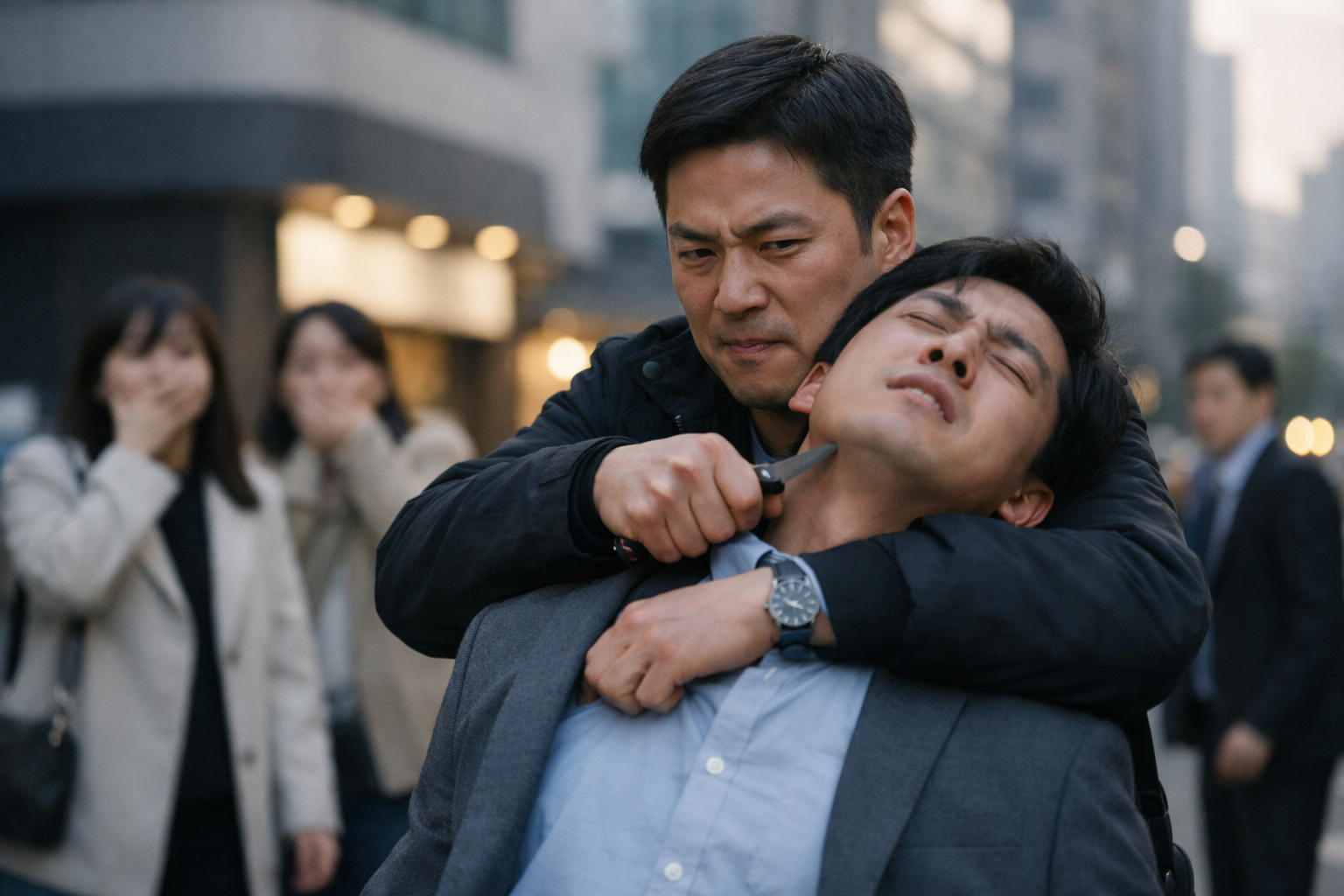
AI-Generated Photorealistic Image — All people, scenes, and details in this image are entirely AI-generated and fictional. Not a real photograph of an actual person or event. 이 이미지는 AI로 생성된 가상 이미지입니다.



Leave a Reply