Table of Contents
South Korea’s weather agency issued a storm surge warning, known locally as “pungnang gyeongbo,” for waters east of Namhae Island starting at noon on August 26. At the same time, 15 areas across South Gyeongsang Province, including Changwon, remained under a heat wave warning. Right now, as of this week, Korea is dealing with rough seas offshore and brutal heat inland at the same time.
Sounds strange, right? One coast battling waves, one region roasting under the sun, all on the same day.
The Korea Meteorological Administration made the announcement through its office in Changwon. The storm surge warning covers the outer sea east of Namhae, a stretch known for sudden swells during late summer. This kind of dual alert — maritime danger paired with inland heat — is not rare for Korea’s late August weather pattern.
South Korea Issues Storm Surge Warning Near Namhae
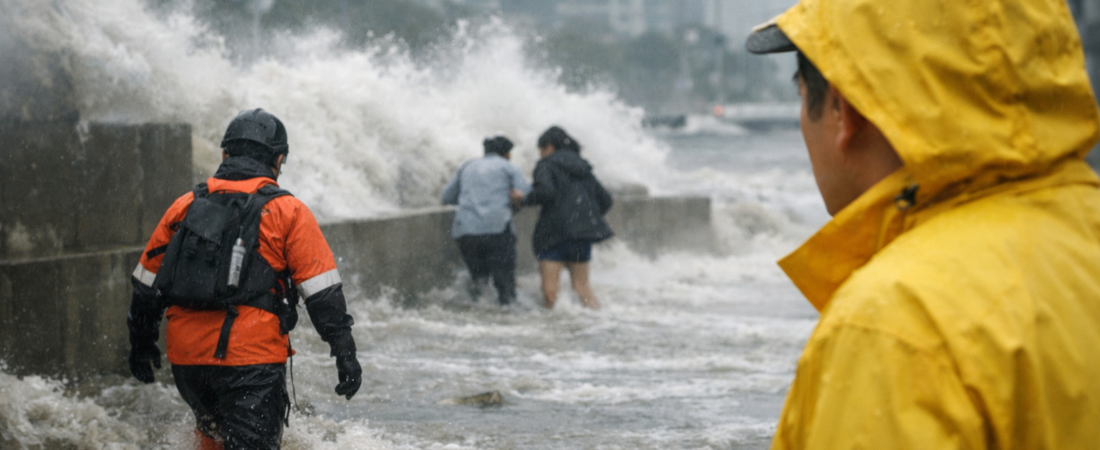
Let’s break down what a storm surge warning actually means. In Korean weather terminology, a “pungnang gyeongbo” signals waves strong enough to threaten small boats, fishing vessels, and coastal structures. This storm surge warning applies specifically to the outer waters east of Namhae, an island county in South Gyeongsang Province famous for its terraced farmland and seafood industry.
Why does this matter beyond the fishing community? Namhae sits along a major shipping and ferry route. When a storm surge warning goes into effect, ferry schedules often change, and small craft operators are told to stay docked.
The Korea Meteorological Administration set the warning to begin at noon on August 26, giving local vessels several hours of lead time. That lead time matters. Fishermen and boat operators in this region depend on early alerts to secure their equipment and cancel risky trips before conditions worsen.
You might wonder how often these warnings happen. Storm surge warnings are fairly common along Korea’s southern coast during late summer, when the tail end of typhoon season collides with seasonal wind shifts. This particular storm surge warning reflects that seasonal pattern rather than a single unusual storm.
Why Korea’s Weather Is Doing Two Extremes at Once
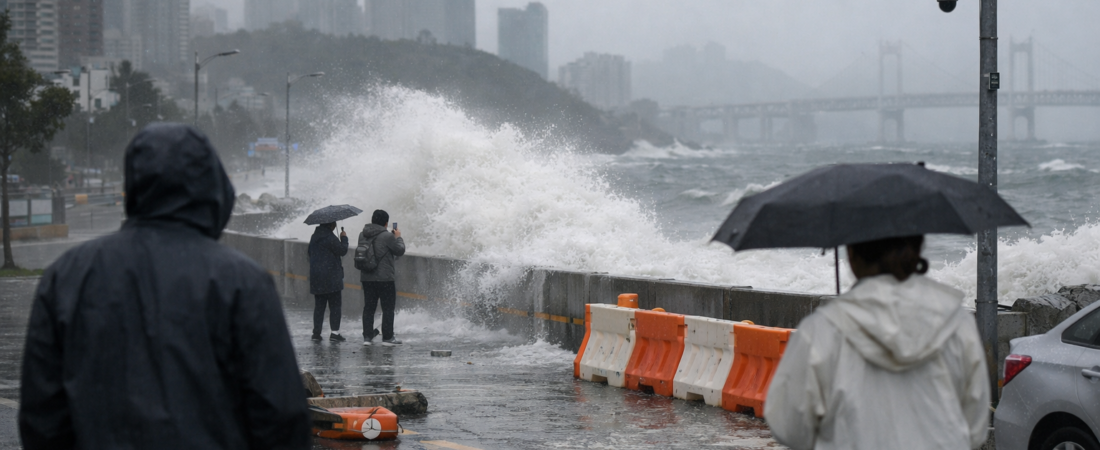
Here’s the part that surprises a lot of readers outside Korea. How can rough seas and scorching heat happen in the same country, on the same day? The answer lies in Korea’s geography and its position between continental and maritime air masses.
South Korea’s southern coastline faces open ocean, where pressure systems generate strong winds and swells. Meanwhile, inland cities like Changwon sit in valleys and basins that trap heat, especially in late August when humidity is high. This combination creates a split weather map: turbulent water offshore, still and stifling air inland.
Think of it like a house with the air conditioner running in one room and the oven on in another. Both systems are technically part of the same weather pattern, just expressing themselves differently depending on the terrain. Coastal areas near Namhae feel wind and wave energy, while inland Gyeongnam cities feel trapped heat with little relief.
This isn’t just a quirky coincidence. Korea’s late-summer weather regularly produces these split conditions, and meteorologists track both maritime and inland patterns closely during this transition period. That’s exactly why the storm surge warning and the heat wave warning were announced on the same day, from the same regional weather office.
Heat Wave Warnings Still Grip Changwon and Gyeongnam
While the coast deals with the storm surge warning, inland Gyeongnam is fighting a different battle entirely. Fifteen locations across the province, including the industrial city of Changwon, remained under heat wave warnings as of August 26. That means daytime temperatures are expected to stay dangerously high, likely above 35 degrees Celsius in exposed areas.
Changwon is no small town. It’s a major industrial hub with heavy manufacturing, shipbuilding-related supply chains, and a large working population.
Heat wave warnings there aren’t just an inconvenience. They directly affect outdoor laborers, delivery workers, and anyone without easy access to air conditioning.
Have you ever tried working outside in Korean summer humidity? It’s less “hot” and more “wearing a wet blanket in an oven” — a sensation locals call “jjimjil-bang weather” after the sweltering sauna rooms found across the country.
South Korea’s heat wave warnings typically trigger public health guidance too. Local governments open cooling centers, extend outdoor work restrictions, and issue safety alerts through emergency text systems.
The persistence of these warnings across 15 separate locations suggests this isn’t a brief spike. It’s a sustained heat event layered right alongside a maritime storm surge warning, stretching both coastal and inland emergency resources at once.
What This Means for Travelers and Residents
So what should you actually do with this information? If you’re planning travel near Namhae or the southern Gyeongnam coast, check ferry and boat schedules before you go. The storm surge warning could delay or cancel maritime transport with little notice.
If you’re staying inland near Changwon or nearby cities, take the heat wave warning seriously. Limit outdoor activity during peak afternoon hours, and stay hydrated even if you don’t feel unusually thirsty.
For updated marine and land forecasts, readers can check official releases through Yonhap News Agency. Real-time updates matter here, since both the storm surge warning and the heat wave warning can shift within hours depending on pressure changes.
There’s something worth sitting with in weather like this. Nature doesn’t ask which part of Korea is more prepared or more resilient before it sends a storm surge warning to one coast and a heat wave to another region entirely.
Communities respond differently too — fishing towns organize quickly around maritime alerts, while industrial cities lean on public cooling centers and worker protections, and neither system is perfect, but both represent people trying to look out for each other under pressure. That effort, imperfect as it is, still counts for something.
Korea’s weather agency will likely issue updates as conditions evolve throughout the week. For global readers, this matters because it shows how modern warning systems try to protect very different populations — fishermen, factory workers, commuters — all within a single small country.
What’s your experience with sudden weather warnings where you live, and do you think early alerts like this storm surge warning actually change people’s behavior in time?
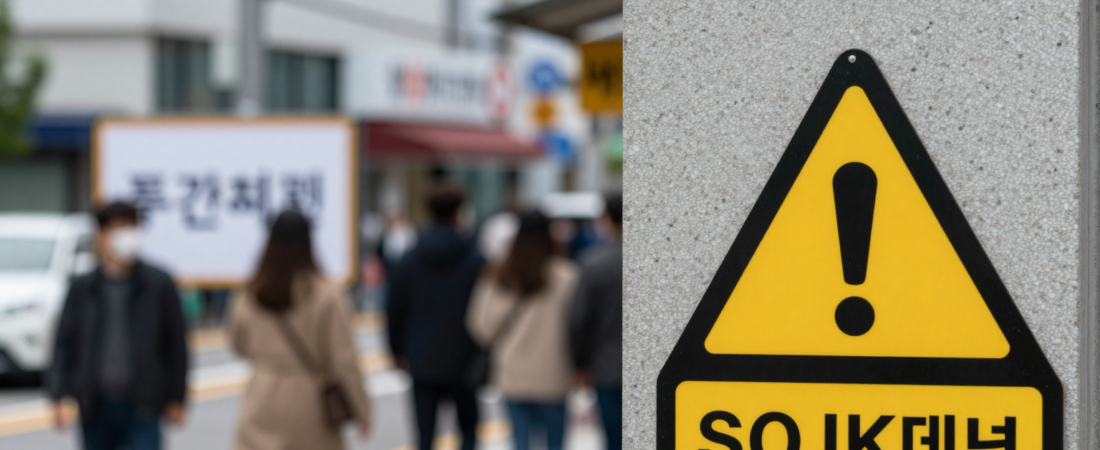
AI-Generated Photorealistic Image — All people, scenes, and details in this image are entirely AI-generated and fictional. Not a real photograph of an actual person or event. 이 이미지는 AI로 생성된 가상 이미지입니다.
Leave a Reply