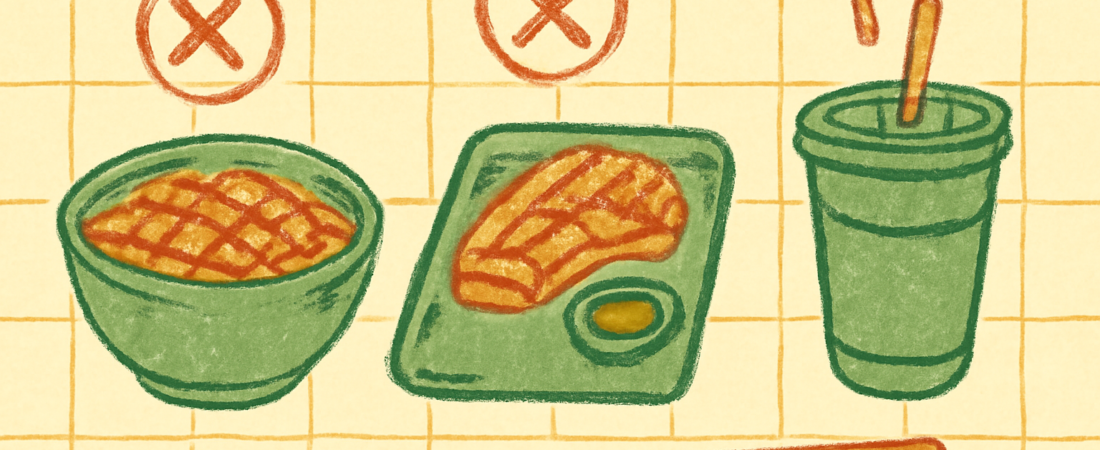
Most tourist mistakes at Korean restaurants come from not knowing a few local habits. Press the call button instead of waving. Expect to order one main dish per person. Water, side dishes and tableware are usually self-service. Tipping is not expected. Check current figures on official Korean data sites before you rely on any number here.
Last checked: 2026-11-08
- Ordering: the one-dish-per-person habit
- Table habits: call buttons, water and side dishes
- Paying the bill and skipping the tip
- Dining alone and peak hours
- What Korean data says about eating out
Ordering: the one-dish-per-person habit
Many first-time visitors share small plates, the way they might at a tapas bar. In Korea, that often backfires.
Most casual restaurants expect each diner to order a main dish. A bowl of stew, a plate of rice, or a noodle dish is typical. The side dishes, called banchan, come free with the meal.
Barbecue restaurants work differently. You usually order meat by the portion, and many places set a minimum of two portions. This rule is common for grilled pork and beef. It is not universal, so check the menu or ask.
Here are the ordering mistakes visitors make most often.
- Ordering one dish for two people at a casual restaurant.
- Ordering only side dishes and expecting a full meal.
- Assuming every barbecue place lets you order a single portion.
- Not checking whether a stew is made for one or for sharing.
Some stews and hot pots are sold as sharing dishes. The menu may mark them as “for 2” or “for 3.” Look for the number of servings next to the price. A photo menu or a tablet menu often shows this clearly.
If you cannot read the menu, point at a photo. Many restaurants in tourist areas also offer English or Chinese menus. A translation app that reads text through your camera can help. Be gentle with the results, because machine translation of dish names is often wrong.
Table habits: call buttons, water and side dishes
Korean restaurants run on a different service rhythm. Staff do not hover at your table. They wait until you call them.
Look for a small call button on the table or the wall. Press it once and wait. Staff will come over. If there is no button, say “jeogiyo,” which means “excuse me” or “over here.” Say it clearly but not loudly.
Waving a hand or snapping your fingers is less common and can feel abrupt. A short call is polite and normal.
Water and tableware
At many restaurants, water is self-service. You will see a water dispenser or a cooler near the entrance or the kitchen. Take a cup and fill it yourself. Do not wait for a server to bring a glass.
Spoons and chopsticks are often stored in a drawer built into the table. Open it and take what you need. Napkins may sit in a small box on the table.
Side dishes and refills
Banchan are small plates of kimchi, vegetables and other items. At many restaurants, refills are free. Ask for more when a plate is empty. Many places only expect you to ask once you have finished a plate.
Free refills are common, but not guaranteed everywhere. Some restaurants charge for extra side dishes, especially at upscale places. If unsure, ask before you order a lot of extras.
Try not to leave large amounts of food uneaten. Taking a little at a time shows respect for the food.
Paying the bill and skipping the tip
Tipping is not part of Korean restaurant culture. You do not need to leave extra money on the table. Some staff may even try to return it to you. The price on the menu is the price you pay.
Paying works differently from many Western countries. In most casual restaurants, you do not wait at the table for the bill. You take the receipt slip from the table and pay at the counter near the door.
Here is the usual sequence.
- Finish your meal and gather your things.
- Take the bill from the table or tell staff you are ready.
- Walk to the cashier near the exit and pay there.
Some restaurants now use a tablet or kiosk at the table. You may order and pay from it. Others use a table-side QR code. The setup varies from place to place, so watch what other diners do.
Cards are widely accepted. Cash is still useful at some small or older shops. Foreign-issued cards usually work, but it is wise to carry a backup. Check with your bank before you travel about overseas card use and fees.
Splitting the bill
Splitting a bill is possible, but it varies. Some small restaurants will not split a check into many cards. Others handle it easily. If you are in a group, decide in advance who pays, or ask the cashier politely.
Dining alone and peak hours
Solo diners sometimes worry they will be turned away. This can happen at certain restaurants, especially at barbecue places that expect groups. It is a business choice, not an insult.
Many other restaurants welcome solo guests. Noodle shops, rice bowl places, stew restaurants and cafeterias are usually easy. Many have counter seats or single tables.
Peak hours matter too. Lunch is busy around noon and early afternoon in business districts. Dinner can be crowded in the early evening, and weekends fill up fast near popular areas.
Here are some practical tips.
- Arrive a little before or after the main rush.
- Check whether the restaurant takes reservations through a Korean booking app.
- Have a backup option nearby in case of a wait.
- Look for restaurants that advertise single-serving menus.
Some restaurants have a closing break in the afternoon, often between lunch and dinner. Hours differ by place. Check the posted hours or the restaurant’s page on a map app before you walk over.
What Korean data says about eating out
Korea publishes a lot of public data on food and dining. This helps explain why restaurants are set up the way they are. It can also show how habits change over time.
Several types of official sources are worth knowing. The national statistics office publishes household spending data, including food and eating-out categories. A government agency focused on agriculture and food runs surveys on food consumption and the restaurant industry. The national tourism organization publishes visitor surveys that include dining and spending patterns.
These sources can tell you how much households spend on eating out. They can show how the restaurant sector is changing. They may also show what foreign visitors say they spend on food. I am not quoting specific figures here, because they change from year to year. Check each source for the latest numbers.
Rough price ranges to expect
Prices vary widely by city, neighborhood and restaurant type. The table below gives rough, general ranges to help you plan. These are estimates, not official figures, and they change over time. Always check the menu or the restaurant’s listing for current prices. The exchange rate also moves, so the USD amounts are approximate.
| Type of meal | Typical style | Rough price range per person | Ordering note |
|---|---|---|---|
| Noodle or rice bowl shop | Quick, casual, often solo-friendly | About $6-9 / 8,000-12,000 KRW | One bowl per person |
| Stew or soup restaurant | Casual, with free banchan | About $7-11 / 9,000-15,000 KRW | Some stews are for sharing; check servings |
| Korean barbecue | Group-oriented, grill at the table | About $15-30 / 20,000-40,000 KRW | Often a two-portion minimum; meat sold by portion |
| Mid-range sit-down restaurant | Set menus or multiple dishes | About $12-25 / 16,000-33,000 KRW | One main per person is typical |
These ranges are only a rough guide. Premium cuts of meat, central tourist districts and fine dining can cost far more. Cheaper local spots can cost less. Confirm the price on the menu before you order.
How to read the data yourself
You do not need to read Korean to use these sources. Many official sites offer English pages or downloadable tables. If a figure is only in Korean, a browser translation tool can help you get the gist. Treat translated numbers with care and compare them with a second source when you can.
When you read any statistic, look at the date and the survey group. A figure about household spending is not the same as one about tourist spending. Keep that difference in mind.
FAQ
Do I have to order one dish per person in Korea?
At most casual restaurants, yes. Each diner is usually expected to order a main dish. Barbecue places often require a minimum number of meat portions instead. Check the menu or ask staff if you are unsure.
Is tipping expected at Korean restaurants?
No. Tipping is not part of standard restaurant culture in Korea. The menu price is what you pay. You can simply say thank you when you leave.
Are side dishes really free?
Often yes. Banchan usually come with the meal, and many restaurants offer free refills. Policies differ by restaurant, so ask before ordering many extras, especially at upscale places.
How do I get a server’s attention?
Press the call button if there is one. If not, say “jeogiyo” clearly to catch their attention. Waving or snapping your fingers is less common and can seem abrupt.
Can I eat alone at a Korean restaurant?
Usually yes, especially at noodle shops, rice bowl places and stew restaurants. Some barbecue restaurants prefer groups and may decline a single diner. Try a different spot if one turns you away.
Sources
- Statistics Korea (KOSTAT), national statistics office: https://kostat.go.kr/
- Korea Agro-Fisheries & Food Trade Corporation (aT), food and restaurant industry data: https://www.at.or.kr/
- Korea Tourism Organization (KTO), visitor information and surveys: https://english.visitkorea.or.kr/
- Korea Tourism Organization data portal: https://kto.visitkorea.or.kr/
Homepage links are given because deep links can change. Search each site for the latest tables and reports. Always check current numbers before you plan.
Leave a Reply