
Table of Contents
The Ulju Youth Center runs outreach events at local schools to connect struggling teens with counseling before problems escalate. On September 4, staff visited Ulsan Beauty Arts High School to offer direct support. This kind of proactive model shows how youth welfare systems can work when they meet young people where they already are.
What the Ulju Youth Center Actually Does
The Ulju Youth Center operates under the Ulju County Facilities Management Corporation in Ulsan, South Korea. Its main job is simple but urgent: find teens who are struggling, and help them before a small crisis becomes a big one.
Instead of waiting for students to walk through its doors, the Ulju Youth Center walks toward them. That is exactly what happened at Ulsan Beauty Arts High School, where counselors set up an outreach event for students on campus.
Why does this matter? Because many teenagers never seek help on their own, even when they desperately need it.
How Outreach Programs Protect At-Risk Teens
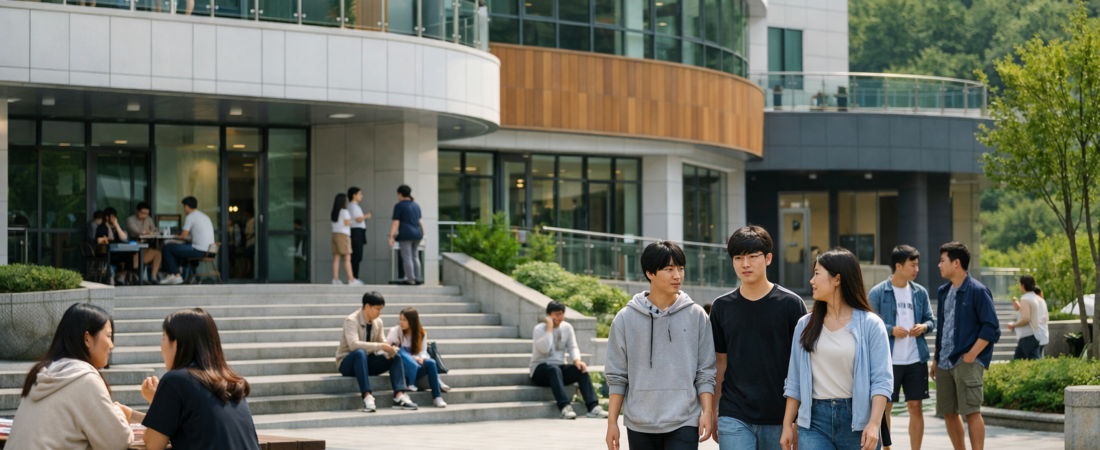
Traditional counseling centers often rely on teens or parents to make the first move. That approach has a built-in flaw: it only reaches kids who already know they need help, or who feel comfortable asking for it.
The Ulju Youth Center flips that model. By showing up at schools directly, staff can identify quiet warning signs — a student who seems withdrawn, one who avoids friends, or one who simply looks exhausted every day.
Have you ever noticed a friend pulling away, but assumed someone else would check on them? That is the exact gap this outreach model tries to close.
The event at Ulsan Beauty Arts High School gave students direct access to counseling information and support resources on their own turf. No appointment. No paperwork barrier. Just a conversation, right where students already spend their day.
This is not a one-time gesture either. The Ulju Youth Center has stated it plans to keep expanding these visits to more schools and community locations across the region.
Why Korea’s Youth Safety Net Matters to Everyone

South Korea has invested heavily in youth counseling infrastructure over the past two decades, and centers like this one are part of a nationwide network. Local governments fund these services because early intervention is far cheaper — in both human and financial terms — than crisis response later.
Consider the alternative: a teen in distress goes unnoticed for months, until a school, a hospital, or worse, gets involved. Outreach programs exist precisely to shrink that window of silence.
You might wonder if a single school visit really changes outcomes. On its own, maybe not much — but multiplied across dozens of schools, year after year, these small touchpoints build a much stronger net underneath vulnerable kids.
It is worth noting that Korea’s youth mental health system still faces real strain — counselor caseloads run high, and rural areas often have thinner coverage than cities like Ulsan. But the fact that a local center is actively expanding its outreach schedule, rather than waiting for demand to overwhelm it, is a genuinely hopeful sign.
That same instinct — to go find someone rather than wait for them to ask — says something quietly important about how a community chooses to care for its youngest members. It does not erase the pressure many Korean teens feel from academic competition or family expectations, and outreach visits alone cannot fix that deeper structural stress. But showing up, again and again, at ordinary schools on ordinary days, is one honest way a society tries to close the distance between struggling and being seen.
What You Can Learn From This Model
If you work in education, youth services, or community organizing anywhere in the world, the Ulju Youth Center model offers a practical template. Go to where young people already are. Do not wait for them to find you.
Schools are natural partners because attendance is already built in — no extra effort required from struggling teens who might otherwise never show up to a counseling office. You can read more background on youth welfare policy trends through outlets like Yonhap News Agency.
For parents, teachers, or anyone curious about visiting Ulsan, understanding programs like this gives you a fuller picture of daily life beyond tourist attractions. Local institutions like the Ulju Youth Center reveal how ordinary Korean communities function behind the scenes.
So here is the real question worth sitting with: does your own community reach out to struggling young people, or does it simply wait for them to ask? The Ulju Youth Center suggests that showing up first might be the more caring — and more effective — choice.
AI-Generated Photorealistic Image — All people, scenes, and details in this image are entirely AI-generated and fictional. Not a real photograph of an actual person or event. 이 이미지는 AI로 생성된 가상 이미지입니다.


Leave a Reply