
Table of Contents
Director Lee Chang-dong’s new film “Love That’s Possible” has been invited to the 83rd Venice International Film Festival, marking his first project in eight years. The film’s stars, Jeon Do-yeon, Seol Kyung-gu, Jo In-sung, and Jo Yeo-jeong, joined him for a photocall on Lido Island in Venice. Seol Kyung-gu said the shoot felt like experiencing “Lee Chang-dong magic” again.
Lee Chang-dong Returns to the Venice International Film Festival
Eight years is a long time in any film industry. For Lee Chang-dong, one of Korea’s most respected directors, it means returning to a very different world than the one he left after “Burning” in 2018.
His new work, “Love That’s Possible,” premiered at the Venice International Film Festival this week. Why does this matter so much? Because Lee doesn’t make films often, and each one tends to reshape how critics talk about Korean storytelling.
The Venice International Film Festival has long served as a launching pad for serious auteur cinema. Getting an invitation here isn’t a small honor. It places Lee’s new film alongside decades of work by directors the world already takes seriously.
According to Kyunghyang Shinmun, the photocall drew significant international press attention on Lido Island. That alone tells you how closely the global film community still watches Lee’s career.
Who Made the Trip to Lido Island
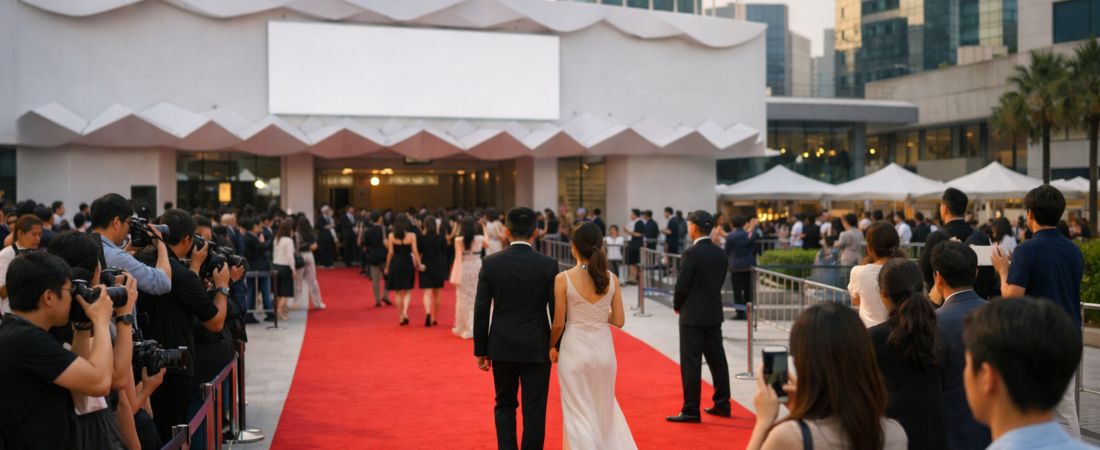
Lee didn’t travel alone. He brought a cast that reads like a who’s-who of Korean film royalty: Jeon Do-yeon, Seol Kyung-gu, Jo In-sung, and Jo Yeo-jeong all appeared at the Venice International Film Festival photocall together.
Jeon Do-yeon herself has history with Lee. She won Best Actress at Cannes for his 2007 film “Secret Sunshine,” a role that remains a career touchstone.
Having her return for “Love That’s Possible” adds weight to the project immediately. Seol Kyung-gu, too, has worked with Lee before, most notably in “Peppermint Candy” and “Oasis.”
Jo In-sung and Jo Yeo-jeong round out a cast that blends veteran Lee collaborators with newer faces. Think of it as a reunion tour, except instead of playing greatest hits, everyone showed up to try something unfamiliar together.
That mix of familiarity and risk seems to be exactly what Lee wanted. Directors don’t always reassemble old collaborators just for comfort. Sometimes they do it because trust lets them push further into difficult material.
Seol Kyung-gu and the “Lee Chang-dong Magic”
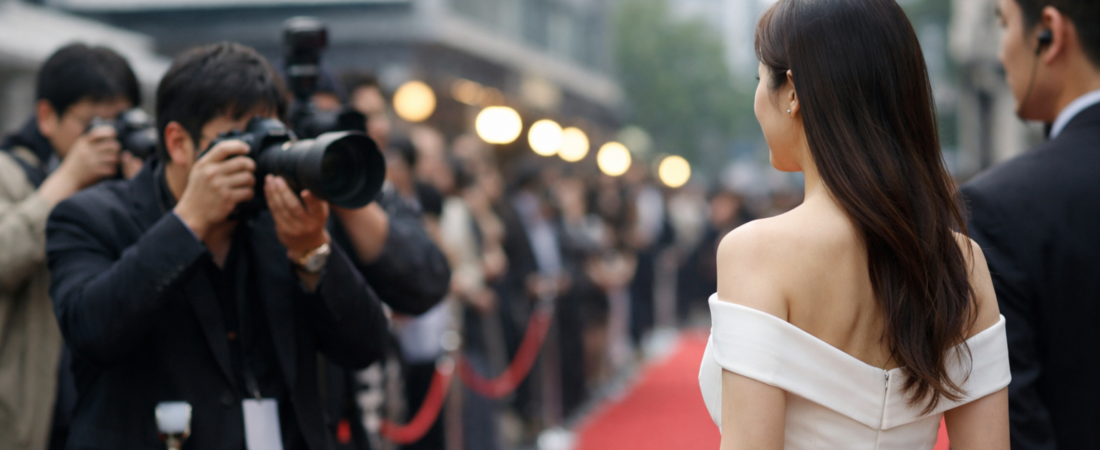
Seol Kyung-gu described the production in strikingly personal terms. He said working with Lee again felt like “returning to the beginning” — a phrase that captures something bigger than nostalgia.
What is this “Lee Chang-dong magic” that actors keep mentioning? It seems to involve a director who strips away performance habits and asks actors to rediscover why they started acting in the first place.
That’s a rare thing in any film industry, where actors often settle into familiar rhythms. Lee reportedly pushes performers back toward instinct rather than technique.
Seol also reflected on how much the world has changed since “Burning.” The COVID-19 pandemic reshaped daily life everywhere, and film production was no exception.
Actors who once moved between countries freely had to relearn collaboration under new constraints. Coming back together for this project, then, carries extra emotional resonance for the whole cast.
Why the Venice International Film Festival Still Matters
Does an invitation to the Venice International Film Festival still carry the same weight it once did? In an era of streaming platforms and algorithm-driven attention, some might wonder if festival prestige has faded.
The answer, based on this year’s lineup, seems to be no. Directors like Lee Chang-dong still choose festivals like Venice precisely because they reward patient, difficult, human-scaled storytelling over quick engagement.
Korean cinema’s international rise didn’t happen overnight. It built slowly through festival recognition — Cannes, Venice, Berlin — long before “Parasite” or Netflix hits made global headlines.
Lee Chang-dong himself was part of that earlier wave, alongside directors like Bong Joon-ho and Park Chan-wook. Seeing his name back at the Venice International Film Festival connects a new generation of viewers to that longer history.
There’s something worth sitting with here. Korean film’s global success is often told as a triumphant, uncomplicated story — awards, box office records, viral fame. But the reality underneath is more layered.
Many talented directors wait years between projects, wrestling with funding, timing, and the pressure of following earlier acclaimed work. Lee’s eight-year gap wasn’t simple rest; it reflects how hard it is to sustain serious artistic ambition inside an industry increasingly driven by speed and volume.
And yet here he is, still choosing depth over convenience, still gathering actors willing to return to “the beginning” with him. That persistence, quiet and unglamorous, is its own kind of hope for anyone who values careful storytelling over quick content.
What happens next for “Love That’s Possible” will depend on critical response and eventual distribution. Festival buzz doesn’t guarantee box office success, and Lee’s films have always favored substance over spectacle.
Still, the Venice International Film Festival premiere gives the film a strong starting point. It signals that serious cinema, made slowly and carefully, still finds an audience willing to wait for it.
What draws you to a director’s return after years away — curiosity about how they’ve changed, or trust built from their earlier work?
AI-Generated Photorealistic Image — All people, scenes, and details in this image are entirely AI-generated and fictional. Not a real photograph of an actual person or event. 이 이미지는 AI로 생성된 가상 이미지입니다.

Leave a Reply