
Table of Contents
A single piano, one bench, two players. That is the entire idea behind four hands piano performance, a centuries-old format now central to the tvN drama “Four Hands.” The show uses this intimate musical form to explore what it really means to connect with another person.
What Is Four Hands, and Why Does It Matter
Four hands piano music simply means two people play the same instrument at once. That sounds simple, doesn’t it? But try sitting shoulder to shoulder with a stranger, sharing 88 keys, and you quickly realize how much trust this requires.
Your elbows nearly touch. Your breathing has to sync with someone else’s timing. There is no hiding behind a second instrument or a conductor standing between you.
This is why four hands performance has always meant something more than technical skill. Composers throughout history chose this format specifically to express closeness, rivalry, or even romance between two musicians. The physical arrangement forces a kind of honesty that solo performance never demands.
Schubert, Friendship, and a Little Flirting

Franz Schubert wrote some of the most beloved four hands pieces in classical music history. He composed many of them for close friends, using the shared piano bench as a space for genuine connection.
Music historians often point out that four hands playing also became a socially acceptable form of flirting in 19th century Europe. Think about it: a young man and woman rarely had a proper excuse to sit this close together in public. A piano bench, apparently, was one of the few loopholes society allowed (romance, it turns out, has always found a way around the rules).
These historical layers matter because they show four hands was never just about notes on a page. It was about proximity, permission, and the quiet negotiation between two people learning to move as one. That emotional weight is exactly what modern storytellers, including the creators of “Four Hands,” are borrowing today.
For readers curious about the broader classical tradition behind this format, outlets like The Kyunghyang Shinmun offer helpful context on how these performance customs evolved across Europe.
The Drama Four Hands and Its Musical Message

In tvN’s “Four Hands,” piano prep student Kang Bio, played by Song Kang, asks teacher Do Hyun-su, played by Kim Joo-heon, for lessons. Do Hyun-su’s condition surprises everyone watching. He tells Kang Bio to sit beside rival student Choi Jeong-yo, played by Lee Jun-young, and perform four hands together.
Why would a teacher demand this instead of simply drilling technique? The answer sits right in the dialogue itself. Do Hyun-su tells his student that his real weakness is not technical skill but warmth toward another person.
That single line reframes the entire drama. Four hands becomes a test of character, not just fingers. Can Kang Bio slow down, listen, and adjust to someone he sees as a competitor?
This narrative choice reflects something true about music education broadly. Teachers have long known that ensemble playing reveals character in ways solo practice cannot. A talented but self-absorbed pianist often struggles the most when forced to share a bench, because four hands punishes anyone unwilling to genuinely listen.
Why One Piano Still Speaks to Us Today
The drama’s use of four hands taps into something larger than K-drama plotting. It asks whether skill alone defines mastery, or whether the ability to connect with another person matters just as much.
That question feels relevant far beyond music schools. Modern life often rewards individual achievement over collaboration, doesn’t it? We celebrate solo excellence, yet most meaningful work still happens alongside other people, in shared spaces where compromise is unavoidable.
There is something honest in how four hands forces two people to adjust to each other’s rhythm rather than perform in isolation. That kind of closeness can build real understanding between rivals or strangers, the same way Kang Bio and Choi Jeong-yo are pushed toward each other in the drama. But shared space also creates friction; sitting that close to another person’s flaws and habits can expose tension as easily as it builds harmony, and not every partnership survives the pressure of the bench.
Still, the format persists because most of us secretly long for that kind of honest collaboration, even when it is uncomfortable. “Four Hands” reminds viewers that growth sometimes requires giving up control and trusting someone else’s timing. Whether in music, work, or friendship, the lesson feels the same: mastery without connection is only half the performance.
What do you think about using something as simple as a shared piano bench to explore how two people truly connect?
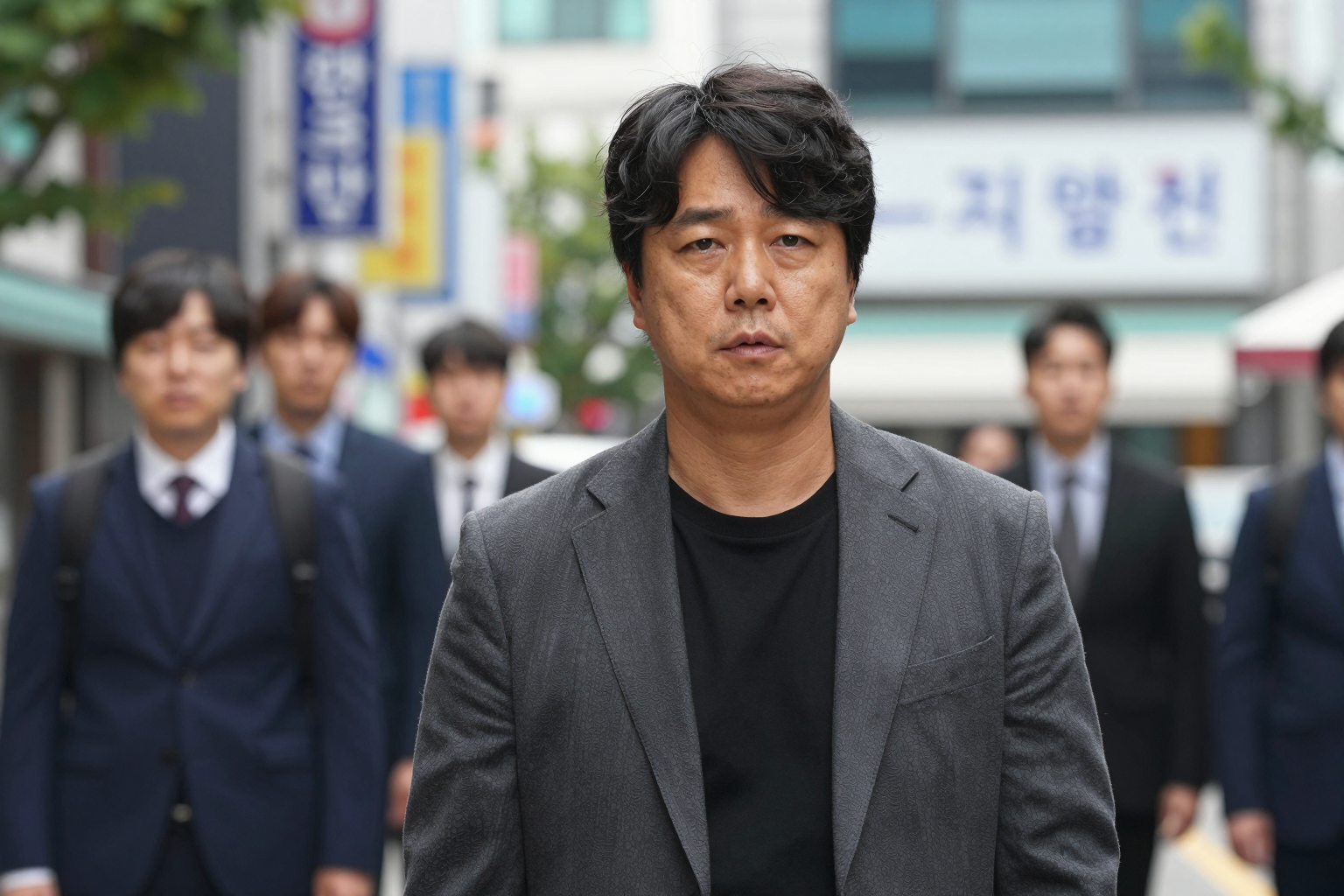
AI-Generated Photorealistic Image — All people, scenes, and details in this image are entirely AI-generated and fictional. Not a real photograph of an actual person or event. 이 이미지는 AI로 생성된 가상 이미지입니다.



Leave a Reply